

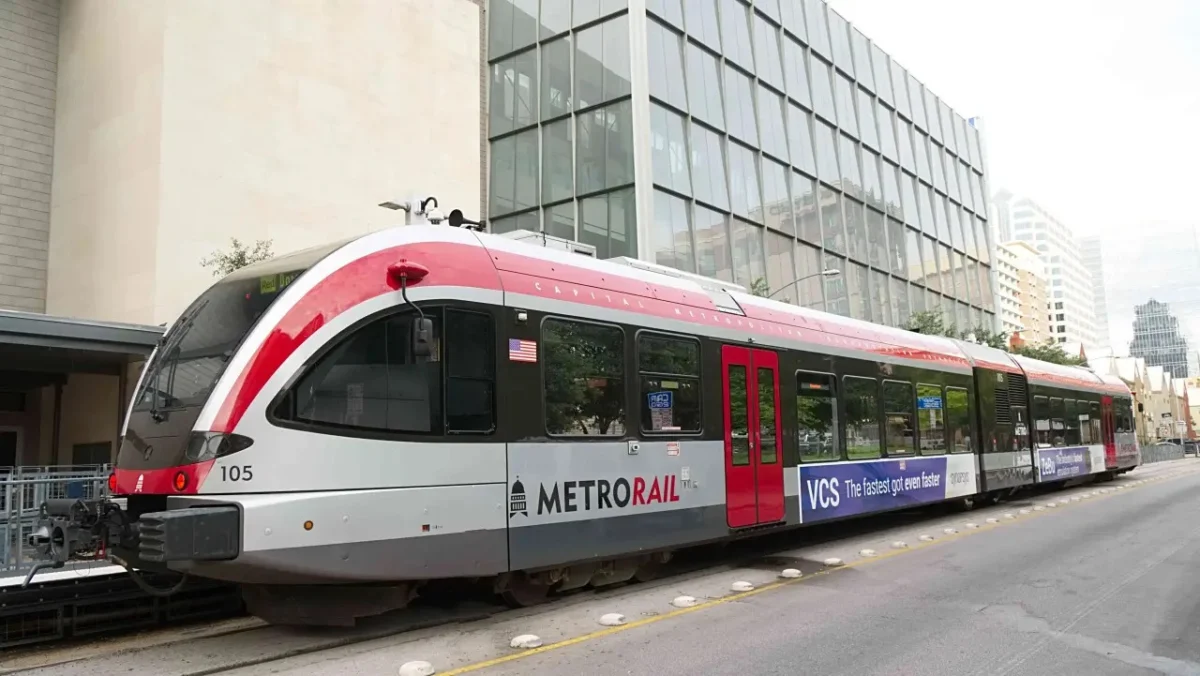
In a significant move to fortify the long-term reliability of public transportation in the Lone Star State, Swiss rail manufacturer Stadler and Austin’s Capital Metropolitan Transportation Authority (CapMetro) have entered into a comprehensive long-term agreement. The contract, which focuses on technical support and sophisticated spare parts management, is designed to sustain the operational lifespan of the 10 GTW (Gelenktriebwagen) articulated Diesel Multiple Units (DMUs) that have served as the backbone of Austin’s suburban rail network since 2010.
Scheduled to commence in January 2027, the agreement represents a cornerstone in CapMetro’s ongoing commitment to reliable transit, with a base term spanning five years through 2032. Furthermore, the inclusion of two one-year extension options creates a pathway for the partnership to remain in effect until 2034, signaling a robust commitment to the aging yet vital fleet.
Main Facts: A Partnership Built on Precision
The partnership between Stadler and CapMetro is rooted in the necessity of maintaining high-performance standards for aging rail assets. As the GTW fleet approaches the conclusion of its second decade of service, the complexity of maintaining original technical specifications becomes increasingly difficult.
Under the terms of the new agreement, Stadler will establish a dedicated, on-site team of three specialized technicians based directly in Austin. This localized presence is designed to minimize the “distance between the expert and the engine,” allowing for real-time diagnostics and rapid response times. By embedding specialists within the CapMetro ecosystem, Stadler aims to streamline the resolution of complex mechanical issues that might otherwise necessitate lengthy out-of-service periods.
The scope of the contract is broad, encompassing:
- Technical Advisory Services: Providing CapMetro engineers with direct access to Stadler’s global engineering database and design specifications.
- Spare Parts Lifecycle Management: Proactive identification and procurement of critical components, particularly those that have reached “end-of-life” status with original suppliers.
- Reliability Engineering: Utilizing data-driven analytics to predict component failure before it occurs, thereby shifting maintenance from a reactive to a preventative model.
A Chronology of the Austin Rail Evolution
To understand the gravity of this contract, one must look at the historical trajectory of the Red Line.
2010: The Dawn of Rail in Austin
The launch of the Red Line in 2010 marked a transformative moment for Austin’s urban planning. As the city began its rapid transformation into a technology hub, the need for efficient north-south transit became undeniable. The introduction of the Stadler GTW DMUs provided a modern, articulated, and efficient solution that bridged the gap between bus transit and heavy rail.
2010–2025: The Mid-Life Cycle Phase
Over the past 15 years, the GTW fleet has navigated the unique challenges of the Texas climate—characterized by extreme heat and varying terrain—while maintaining a consistent service record. During this period, the trains have undergone routine maintenance, but as the vehicles surpassed their 15-year service milestone, the industry-standard "mid-life overhaul" requirements began to surface.
2026: The Planning Horizon
Throughout 2026, both organizations engaged in strategic planning sessions to evaluate the state of the fleet. Recognizing the supply chain volatility currently affecting the global rail industry, the decision was made to formalize a dedicated support structure to ensure that the Red Line would not suffer from component shortages.
2027: The New Era of Support
The commencement of the contract in January 2027 marks the transition from standard OEM support to a bespoke, localized service partnership. This date serves as the launchpad for a decade of sustained investment in the existing rolling stock.
Supporting Data: Why Specialized Support Matters
The challenge of maintaining transit assets that have been in operation for over 15 years is largely defined by "obsolescence management." In the world of rail engineering, electronic components, control systems, and specific mechanical parts often have shorter lifecycles than the train cars themselves.

Stadler’s intervention is critical here. By leveraging their global supply chain, the manufacturer can source or re-engineer components that are no longer commercially available. For CapMetro, this eliminates the "cannibalization" of trains—a process where one train is taken out of service to provide parts for another—which is a common pitfall for transit agencies working with older fleets.
Furthermore, the "preventative approach" championed by Stadler is backed by industry data suggesting that every dollar spent on proactive maintenance saves approximately four dollars in emergency repair and lost-revenue costs. By stabilizing the maintenance costs, CapMetro can better allocate its budget toward the expansion of the Austin Light Rail system and other infrastructure projects.
Official Responses: Strengthening the Partnership
The leadership at both Stadler and CapMetro views this agreement as a model for future transit agency/manufacturer collaborations.
"Through this agreement, we are continuing our long-standing relationship with CapMetro," said Martin Ritter, President and CEO of Stadler North America. "We are focused on delivering the reliable service that Austin’s passengers expect and on maximizing the performance and service life of the fleet. Our team is committed to being an extension of the CapMetro maintenance staff, ensuring that every train remains a reliable part of the city’s commute."
For CapMetro, the partnership is a strategic move to insulate the public from the frustrations of service delays. A spokesperson for the agency noted that the presence of a dedicated local team provides a level of accountability and technical intimacy that traditional third-party contractors cannot replicate. By keeping the "eyes and ears" of the manufacturer on the ground, CapMetro is effectively future-proofing its suburban rail operations.
Implications for the Future of Texas Transit
The significance of this contract extends beyond the mechanics of 10 train sets. It solidifies Stadler’s foothold in the state of Texas. With this being their fourth service contract in the region, the company is positioning itself as the primary partner for rail operators across the state.
1. Market Stability and Confidence
By securing this long-term deal, CapMetro provides a sense of stability to the thousands of daily riders on the Red Line. Passengers can expect a higher degree of consistency in schedules and a reduction in mechanical failures, which are the primary causes of transit dissatisfaction.
2. A Blueprint for Other Agencies
Many transit authorities across the United States are currently grappling with aging fleets and the complexities of the post-pandemic supply chain. The Stadler-CapMetro model offers a replicable framework: rather than opting for a total fleet replacement—which is capital-intensive and time-consuming—agencies can choose to "refresh and sustain" existing assets through deep-tier OEM partnerships.
3. Sustainability through Longevity
From an environmental perspective, extending the life of existing rolling stock is a sustainable practice. By optimizing the current fleet, CapMetro reduces the carbon footprint associated with the manufacturing and transport of entirely new train sets. It demonstrates a commitment to maximizing the lifecycle of assets, a core tenet of modern green transit policy.
4. Continued Growth
As Austin continues to grow, the importance of the Red Line as a transit artery cannot be overstated. With Stadler providing the "technical backbone" for the maintenance of these trains, CapMetro is freed to focus on the next phase of its evolution: the integration of the new light rail system. The success of this maintenance partnership will likely serve as a prerequisite for future collaborative projects between the two entities as Austin’s rail network continues to expand.
In conclusion, the agreement is more than just a service contract; it is a vital investment in the operational health of one of Texas’s most important suburban transit lines. By marrying Swiss engineering precision with the day-to-day operational realities of Austin’s commute, Stadler and CapMetro have established a roadmap for keeping the city moving, efficiently and reliably, well into the next decade.

