

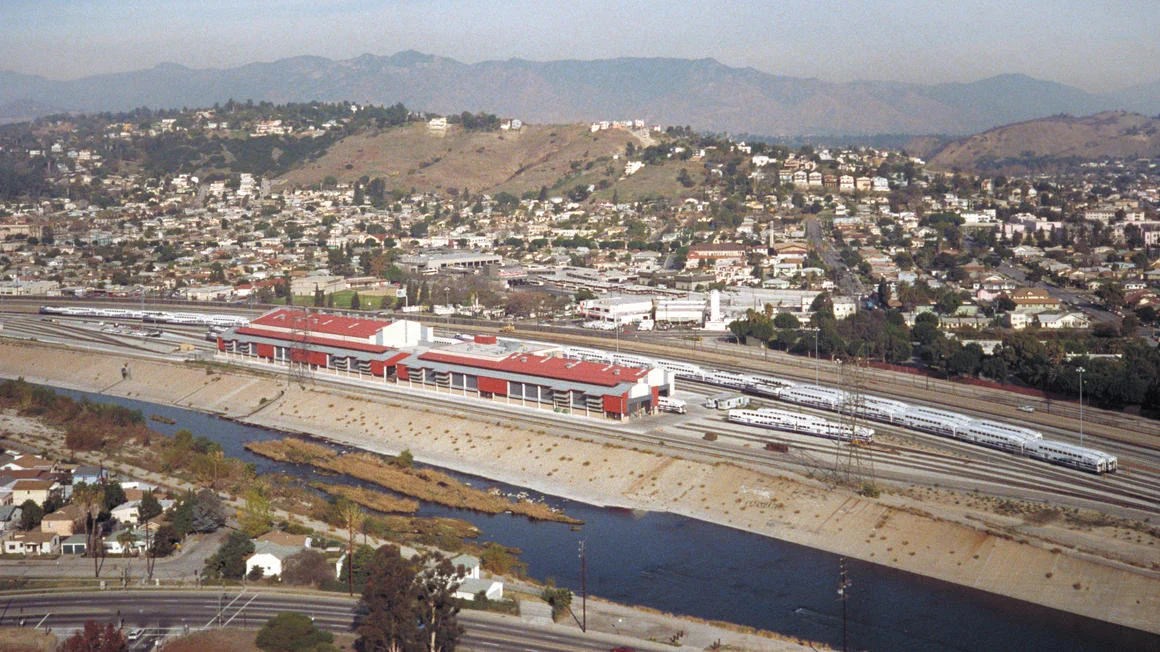
In a landmark development for the Southern California transit landscape, global rail technology leader Alstom has been awarded a significant contract by the Southern California Regional Rail Authority (Metrolink). This multi-year agreement cements Alstom’s role as the primary partner for the operation, servicing, and maintenance of the region’s expansive passenger rail network. The deal, which represents a deepening of a relationship spanning over three decades, positions Alstom as the preeminent private provider of operations and maintenance (O&M) services in the North American rail sector.
The Core Agreement: Scope and Financial Scale
The contract, officially announced in late 2024, establishes a robust framework for rail management in Southern California. The base term of the agreement spans five years, commencing on January 1, 2025, and concluding on June 30, 2030. Valued at approximately USD 515 million (EUR 490 million), the contract provides for the employment of more than 400 dedicated Alstom personnel across the region.
The agreement also includes a provision for a potential three-year extension. Should the Southern California Regional Rail Authority opt to trigger this clause, the total contract value would rise to approximately USD 860 million (EUR 817 million), extending the partnership’s horizon well into the next decade.
The scope of work is comprehensive, covering the full spectrum of rail operations. This includes:
- Train Operations: Provision of train crews and comprehensive management of day-to-day transit services.
- Customer Service: Managing passenger experience, communication, and onboard protocols.
- Fleet Maintenance: Continuing the technical oversight and repair of Metrolink’s diverse rolling stock.
- Facilities Management: Ensuring the upkeep of stations and operational infrastructure.
- Materials Management: An optional inclusion that provides for the logistical oversight of parts and technical supply chains.
A Chronology of Partnership: Three Decades of Collaboration
The relationship between Alstom and Metrolink is not a new venture but the evolution of a long-standing industrial marriage. The partnership dates back more than 30 years, originating with the delivery of the first Bilevel coaches for the Metrolink fleet. This initial collaboration set the standard for regional rail equipment in the United States and served as the catalyst for a much deeper technical integration.
- 1990s: The partnership begins with the supply of high-capacity Bilevel passenger coaches, which become the backbone of the Metrolink fleet.
- 1998: Alstom assumes the role of maintenance provider for the Metrolink fleet, beginning a continuous period of technical oversight that has lasted over a quarter-century.
- 2010: Metrolink shifts its operational model to include external labor support, with Amtrak taking on the role of operating crews.
- 2022: The launch of the "Arrow" service in San Bernardino County marks a new phase in regional connectivity, with TransitAmerica Services Inc. providing operations.
- 2025: Alstom takes the lead as the unified provider for both maintenance and operations, consolidating services previously managed by multiple contractors.
This trajectory reflects a broader trend in North American transit, where agencies are increasingly looking to consolidate service providers to drive efficiency, streamline safety management, and ensure a unified brand experience for passengers.
Supporting Data: The Metrolink Network
To understand the scale of Alstom’s new responsibility, one must look at the sheer breadth of the Metrolink network. It is a vital artery for Southern California, serving six counties: Los Angeles, Orange, Riverside, San Bernardino, Ventura, and San Diego.
Network Infrastructure
- Total Service Line Miles: 545.6 miles.
- Stations: 67 distinct stops facilitating regional commuting.
- Fleet Composition: The system operates a fleet of 258 passenger rail cars, divided into 57 cab cars and 201 coaches, supported by 60 powerful locomotives.
The Arrow Service and Future Propulsion
A notable component of the network is the "Arrow" service, a nine-mile corridor linking San Bernardino and Redlands. While Alstom will manage the operational crews and management for this line, the technical maintenance of the Arrow’s specific fleet—consisting of Diesel Multiple Units (DMUs)—remains outside of Alstom’s current maintenance scope.
Perhaps most significantly, the Metrolink network is on the precipice of a technological revolution. In 2025, the system is slated to introduce North America’s first hydrogen-powered train, the Zero Emission Multiple Unit (ZEMU). While maintenance of these specific units is not part of the Alstom contract, the company’s role in managing the crews and operational oversight of the line places them at the center of this green transit transition.
Official Responses and Strategic Vision
The contract announcement has been met with enthusiasm from both the private sector and public agency leadership.
Michael Keroullé, President of Alstom Americas, framed the contract as both a professional milestone and a social responsibility. "We are grateful for the trust the Southern California Regional Rail Authority and their Board of Directors has placed in Alstom as we expand our role to support their operations and maintenance needs," Keroullé stated. He emphasized the environmental impact of the partnership, noting that "Metrolink customers are doing their part to reduce traffic congestion and pollution."
Looking ahead, Keroullé highlighted the role of the partnership in preparing for Southern California’s future, specifically mentioning the upcoming global sporting events set to take place in the region. The ability to manage high-volume passenger surges with world-class service is a core pillar of Alstom’s commitment to the agency.
Metrolink CEO Darren Kettle echoed these sentiments, highlighting the strategic shift in the agency’s business model. "We are excited to continue our transition from a traditional commuter railroad to becoming a true regional passenger rail operator," Kettle said. He acknowledged the contributions of previous partners, specifically citing the "efforts and dedication" of the Amtrak crews who operated the trains since 2010 and the TransitAmerica Services Inc. team that managed the Arrow service since 2022. Kettle expressed confidence in the transition, noting, "We know Alstom will work collaboratively over the next several months to ensure a seamless transition and a continued outstanding customer experience."
Implications for the North American Rail Market
The implications of this contract are far-reaching. By securing a deal that combines maintenance with full-scale operations, Alstom has effectively solidified its position as the leading private O&M provider in North America. This model—where a single entity is responsible for the health of the equipment and the efficiency of the service—is increasingly viewed as the "gold standard" for rail efficiency.
Operational Synergies
The integration of maintenance and operations is expected to yield significant dividends in terms of service reliability. When the teams responsible for keeping the trains running are in constant communication with the teams performing the mechanical maintenance, the "Mean Distance Between Failures" (MDBF) typically improves. Alstom’s ability to draw on its global expertise in rail technology will likely allow them to introduce predictive maintenance analytics to the Metrolink fleet, reducing downtime and optimizing fleet availability.
Labor and Workforce Development
With more than 400 team members now dedicated to the Metrolink project, Alstom is significantly scaling its footprint in California. The mobilization of more than 200 new employees specifically for the operation of services, starting July 1, 2025, represents a major recruitment and training undertaking. This transition phase will be critical, as it requires the seamless integration of existing institutional knowledge with Alstom’s global operational protocols.
Preparing for the Future
The timing of this contract is particularly strategic. As Southern California prepares to host international visitors for major global sporting events, the pressure on the public transit infrastructure will be unprecedented. The regional rail authority has clearly signaled that they view Alstom not just as a contractor, but as a strategic partner capable of scaling operations to meet the demands of a world-class, multi-modal transportation hub.
Sustainability and Innovation
While Alstom’s direct maintenance scope excludes the new ZEMU hydrogen trains, the company’s involvement in the operational management of the Arrow service keeps them at the heart of the innovation curve. As the rail industry continues to pivot toward decarbonization, having a partner with deep experience in both traditional rolling stock and emerging green propulsion technologies provides Metrolink with a level of agility that is rare in the public sector.
Conclusion
The agreement between Metrolink and Alstom represents more than just a financial transaction; it is a long-term commitment to the future of transit in one of the most congested regions of the United States. By combining legacy experience with a forward-looking operational mandate, Alstom is positioning itself to lead the modernization of the Southern California rail network.
As the contract kicks off on January 1, 2025, the eyes of the North American transit industry will be on the collaboration. If successful, the partnership will serve as a template for other major metropolitan agencies looking to modernize their rail systems through private-public partnerships that prioritize reliability, safety, and a passenger-first philosophy. With the transition period now underway, the stage is set for a new era of regional rail excellence in Southern California.

