

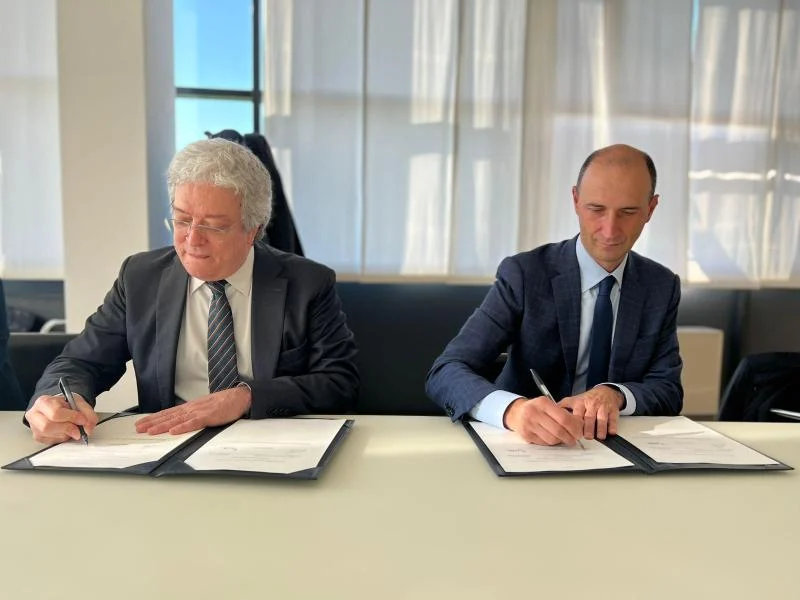
PADUA, ITALY — In a major boost to sustainable municipal mobility, the European Investment Bank (EIB) has finalized a EUR 43.5 million loan agreement with APS Holding, the municipal public transport and utility company owned by the City of Padua. The vital financial injection is earmarked for two primary objectives: the ambitious construction of the brand-new Padua South/East SIR3 tram line and the comprehensive technical modernization of the city’s pre-existing North/South SIR1 tram line.
The total estimated investment required to bring the broader modern urban transit vision to fruition stands at approximately EUR 105 million. This collaborative financial blueprint underscores the European Union’s unwavering commitment to reducing carbon emissions, optimizing public infrastructure, and advancing integrated, green smart-city mobility solutions across member states.
Main Facts: Breaking Down the EUR 105 Million Padua Transit Project
The financial architecture of the agreement is split deliberately to target both entirely new infrastructure and the renewal of legacy systems. Of the EUR 43.5 million secured from the EIB, EUR 34 million is dedicated directly to the construction of the 5.5-kilometer SIR3 tram line. This new corridor will seamlessly connect the southeastern neighborhood of Voltabarozzo with Padua’s central railway station, traversing dense urban areas and serving critical civic infrastructure, including the city’s primary hospital complexes.
The remaining EUR 9.5 million of the EIB loan operates as an optional secondary tranche. Made available to APS Holding for drawdown within a two-year window, these funds are specifically designated for the revitalization and technological upgrading of the operational SIR1 tram line.
The physical scope of the SIR3 project is substantial. Beyond laying 5.5 kilometers of new track, the initiative includes:
- 13 Modern Stops: Strategically placed to maximize passenger accessibility and transit connectivity.
- A Dedicated Depot: The construction of a new state-of-the-art storage and maintenance facility in Voltabarozzo.
- Park-and-Ride Integration: A purpose-built intermodal parking facility boasting 383 parking spaces, designed to encourage private motorists to transition to public rail transit before entering the congested city center.
When viewed within the wider context of Padua’s urban development strategy, the SIR3 line is a core component of the broader SMART (Tram Network Mobility System) project. Once fully realized, the SMART initiative will integrate the new southeast-to-station corridor with the existing North/South SIR1 line and a planned third suburban line running east-to-west. This third leg will extend urban rail benefits outward to neighboring municipalities such as Vigonza and Rubano, knitting the wider metropolitan region into a cohesive, sustainable transit web.
Chronology of the Project: From Concept to Construction and Beyond
The realization of Padua’s modernized tram network represents the culmination of years of meticulous planning, strategic financing agreements, and institutional collaboration.
December 2021: Laying the Technical Groundwork
The foundational steps for the current financial arrangements were cemented in late 2021, when the EIB and APS Holding signed a strategic agreement under the ELENA (European Local Energy Assistance) program. Administered in the form of non-repayable technical assistance, this agreement unlocked up to EUR 1.6 million to cover the complex costs of developing innovative, integrated mobility solutions for the city.
Advisory and Structuring Phase
Throughout the application, configuration, and negotiation procedures—spanning both the EIB financing contracts and guarantor arrangements—APS Holding relied extensively on the specialized consulting services of Sinloc S.p.A. Sinloc provided vital technical and financial assistance that successfully steered the complex negotiations to a finalized, signed operation.
Present Day: Mobilization of Construction Sites
With the EIB loan officially secured, APS Holding is preparing to rapidly mobilize construction sites along the designated route of the SIR3 tram line. Urban planners and engineers have set a target for commercial operations to commence in 2025, at which point the line will begin transforming daily commuting patterns for thousands of residents traveling between Voltabarozzo, the central railway station, and Padua’s medical hubs.
2026: Completion of the SIR1 Fleet Upgrade
Following the launch of the SIR3 line, the second phase of the overarching modernization program will reach its conclusion. The EUR 9.5 million optional EIB tranche will fund the systematic rollout of next-generation battery technologies across the legacy SIR1 fleet, alongside the physical expansion of the existing Guizza maintenance depot, with full completion slated for 2026.

Supporting Data and Financial Architecture
Financing massive urban rail projects requires complex public-private partnerships, blended funding streams, and robust institutional backing. The Padua transit initiative is a textbook example of multi-layered European and municipal financing.
| Project Component | Financial Allocation / Scope | Key Details & Objectives |
|---|---|---|
| Total Project Value | EUR 105 million | Estimated cost for the comprehensive modernization and expansion of Padua’s tram network. |
| EIB Loan (Total) | EUR 43.5 million | Long-term institutional backing secured by APS Holding. |
| SIR3 Construction | EUR 34 million (Firm tranche) | Dedicated to the 5.5 km southeast-to-station route, 13 stops, Voltabarozzo depot, and 383-space parking facility. |
| SIR1 Modernization | EUR 9.5 million (Optional tranche) | Drawdown window within two years; targets rolling stock upgrades, battery integration, and Guizza depot expansion. |
| ELENA Program Grant | Up to EUR 1.6 million | Non-repayable technical assistance signed in December 2021 for innovative integrated mobility solutions. |
| Consultancy Support | Sinloc S.p.A. | Provided specialized advisory services throughout contract negotiation and financial structuring. |
The technological centerpiece of the rolling stock modernization involves the integration of advanced next-generation batteries. These energy-storage systems will dramatically improve the durability, efficiency, and operational autonomy of the trams, allowing them to navigate historic or sensitive urban stretches without the visual and physical clutter of traditional overhead catenary wires. This "catenary-free" capability preserves the aesthetic integrity of Padua’s architectural heritage while delivering modern, high-capacity public transit.
Official Responses and Institutional Perspectives
The agreement has drawn praise from leaders across European and municipal financial institutions, who view the Padua tramway initiative as a benchmark for sustainable regional development.
Representatives of the European Investment Bank emphasized that investing in clean, electrified urban transit is central to the EU’s climate bank mandate. By backing projects that reduce reliance on fossil-fuel-powered private vehicles, the EIB continues to support European cities in meeting stringent carbon-reduction targets while simultaneously enhancing the quality of urban life.
APS Holding, acting on behalf of the Municipality of Padua, underscored the transformative nature of the funding. Company executives noted that the collaboration with the EIB—bolstered by the specialized advisory work of Sinloc S.p.A.—demonstrates international confidence in Padua’s administrative and technical capacities.
Local municipal leaders have similarly championed the initiative, pointing out that public health and urban accessibility are major beneficiaries. By directly connecting residential districts in the southeast to the central railway station and the city’s sprawling hospital zones, the SIR3 line addresses critical daily mobility bottlenecks. Furthermore, the inclusion of the ELENA technical assistance program highlights Padua’s proactive approach to energy efficiency, ensuring that the city’s infrastructure investments are future-proofed against evolving environmental standards.
Implications: Transforming Urban Mobility and Quality of Life in Padua
The implications of the EUR 43.5 million EIB-backed financing package extend far beyond civil engineering and track installation. The realization of the SIR3 line and the comprehensive overhaul of the SIR1 corridor will fundamentally reshape how residents and visitors experience Padua.
1. Environmental and Climate Impact
By shifting daily commuter traffic away from automobiles and onto high-capacity electric rail transit, Padua will take a monumental step toward reducing urban air pollution and greenhouse gas emissions. The integration of advanced battery technology on the SIR1 line further minimizes the city’s environmental footprint by optimizing energy consumption and reducing the need for extensive overhead electrical infrastructure.
2. Economic and Intermodal Efficiency
The inclusion of a 383-space park-and-ride facility at Voltabarozzo directly tackles urban congestion. Commuters arriving from outside the city center can easily park their vehicles and transfer smoothly to the high-frequency tram network. This seamless intermodal integration reduces downtown traffic gridlock, lowers municipal road-maintenance costs, and accelerates travel times across the metropolitan area.
3. Social Equity and Healthcare Access
A particularly vital aspect of the SIR3 route is its direct service to Padua’s major hospital complexes. By linking residential neighborhoods directly to primary healthcare institutions and the central railway station, the new tram line ensures equitable public access for demographics that rely heavily on public transportation—including students, elderly citizens, and individuals with mobility impairments.
4. A Blueprint for Future Regional Growth
As the foundational phase of the broader SMART project, the completion of the SIR3 line and the modernization of SIR1 will pave the way for the future east-west suburban extension toward Vigonza and Rubano. By proving its ability to successfully execute complex, multi-million-euro infrastructural overhauls with European backing, Padua positions itself as a forward-thinking leader in Italian and European urban mobility, setting a sustainable standard for mid-sized cities across the continent.

