

In a radical departure from decades of reactive maintenance, Deutsche Bahn (DB) is set to transform the operational backbone of Germany’s rail network. Starting in mid-July, the state-owned railway operator is rolling out a new strategic framework dubbed "Construction in Time" (Bauen in Zeit). This initiative seeks to harmonize the often-conflicting demands of network expansion and service reliability by moving away from sporadic, reactive construction to a standardized, timetable-integrated scheduling system.
For years, the German rail network has suffered from a "bottleneck effect," where an increasing volume of maintenance work has led to chronic delays, complex detours, and a lack of transparency for passengers. With this new approach, DB aims to cut the number of annual timetable changes by half by 2026, creating a more predictable environment for commuters, freight operators, and internal logistics teams alike.
The Core Philosophy: Construction Follows the Timetable
For decades, the standard procedure for track work was opportunistic; maintenance was performed whenever a slot could be found, or when a track segment required emergency repairs. This created a chaotic "patchwork" of construction sites that frequently disrupted long-distance and regional travel.
The new logic is simple yet profound: Construction follows the timetable, not the other way around.
By defining fixed time slots for maintenance and modernization, DB InfraGO AG—the subsidiary responsible for the rail infrastructure—is effectively creating "predictable windows" where work can occur without constantly forcing last-minute adjustments to the national schedule. This allows the railway to bundle various construction trades (track work, signaling upgrades, and electrification repairs) into single, high-intensity periods. Once these windows close, the tracks return to full, high-speed, and reliable operation for extended periods.
Chronology of the Transformation
Phase 1: The Maintenance Overhaul (July 2024)
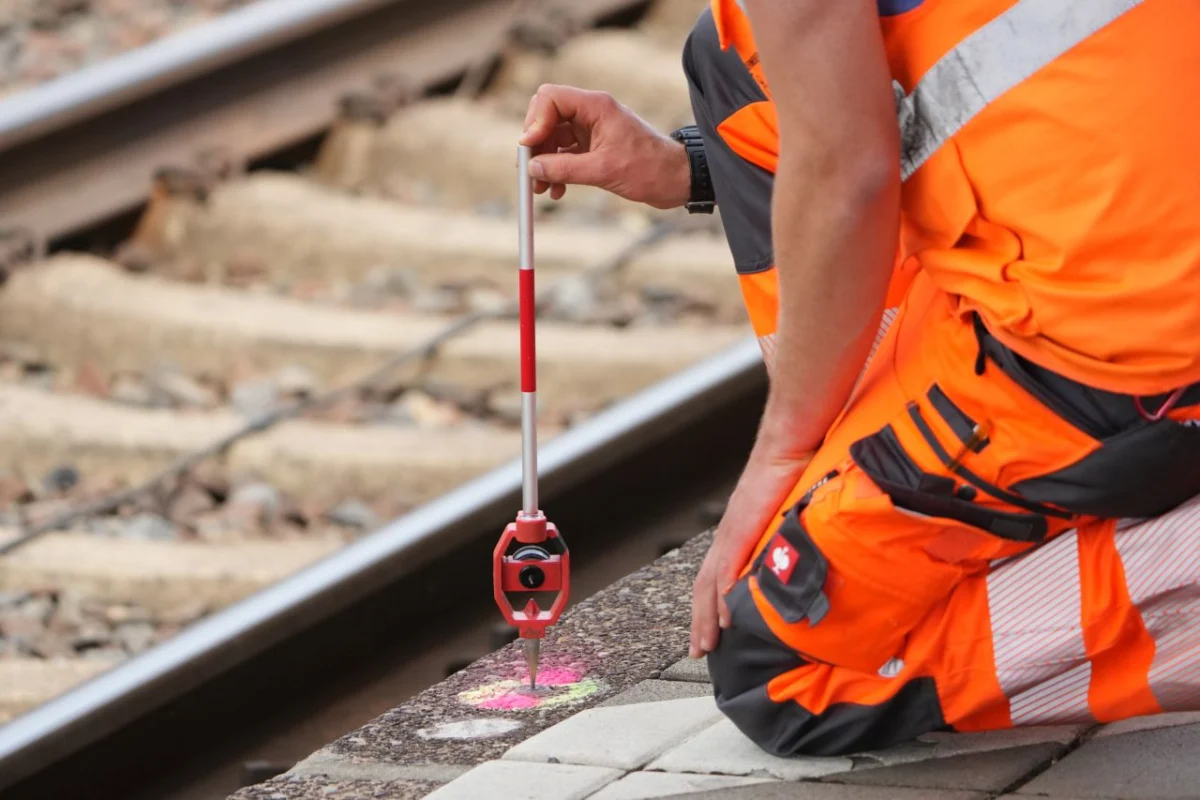
Starting this month, the first phase of the initiative focuses on day-to-day maintenance. Rather than sending crews out to address localized issues on an ad-hoc basis, DB is moving to a sector-based maintenance model. Teams will be assigned to specific route segments, systematically repairing and inspecting track infrastructure kilometer by kilometer. This ensures that maintenance is not just a "quick fix" but a continuous, proactive process that reduces the risk of unexpected failures.
Phase 2: Scaling to Large Projects (2025–2026)
Following the successful implementation of the maintenance schedule, the "Construction in Time" philosophy will be expanded to encompass major infrastructure expansion and modernization projects. During this period, the system will prevent the common error of scheduling major construction on a primary corridor and its primary diversion route simultaneously. By 2026, the coordination of these windows is expected to reduce the frequency of annual timetable shifts by 50%, providing long-term certainty for passenger and freight rail companies.
Supporting Data: Efficiency and Reliability
The current state of the German rail network is marked by aging infrastructure and a high density of traffic, making maintenance a logistical nightmare. Historically, DB relied on a complex, manual process to identify "closure windows"—times when tracks could be taken offline without stopping all traffic. As the number of construction sites increased to meet the demands of a modernizing network, this manual process became a major bottleneck.
Key Performance Indicators (KPIs) for the New Strategy:
- Operational Efficiency: By standardizing schedules, construction machinery can be utilized in double-shift cycles, significantly increasing the productivity of capital-intensive equipment.
- Reduced Complexity: The systemized approach prevents "construction overlap," where parallel work on secondary routes effectively paralyzes a region.
- Planning Reliability: External stakeholders, including logistics companies and regional transport authorities, can plan their freight and passenger schedules months in advance, knowing exactly when a line will be available for full-speed operation.
- Resource Allocation: By concentrating work in defined time blocks, the physical deployment of human resources becomes more predictable, reducing the need for costly overtime or emergency contractor call-outs.
Official Responses: A Commitment to the Common Good
Dr. Philipp Nagl, CEO of DB InfraGO AG, has been the primary architect and vocal proponent of this strategic pivot. In recent statements, he acknowledged the gravity of the current situation while framing the new policy as an essential duty to the public.
"The operational situation cannot remain as it is," Dr. Nagl stated. "To make trains more punctual again, we are building more than ever before. To bring driving and construction back under one roof, we are now managing our construction sites according to a fundamentally new logic."
Nagl emphasized that this move is more than just a logistical update; it is an ideological shift toward "working for the common good." By prioritizing the stability of the system over the convenience of immediate, disjointed repairs, DB is positioning itself to handle the increased demand for climate-friendly rail transport.
"With standardized planning, we are ensuring more stable rail operations—even now, while we are massively renewing and modernizing the network. It is an important element of our strong rail strategy," Nagl added.
Implications for Stakeholders
For the Daily Commuter
The immediate impact on the passenger will be a gradual stabilization of timetables. While construction will still occur, it will be "contained." Passengers will no longer face the frustration of a schedule that changes every few months due to unexpected maintenance, nor will they be subjected to the "cascade effect" of multiple, poorly coordinated construction sites across their route.
For the Freight Sector
Reliability is the currency of the freight industry. For logistics companies, the ability to predict exactly when a corridor will be open for heavy rail traffic is invaluable. The "Construction in Time" model provides the long-term predictability necessary for supply chain planning, which has historically been undermined by the uncertainty of the German rail schedule.
For Construction Partners
For the contractors tasked with the physical work, the new system offers a streamlined workflow. By having predefined, high-intensity windows, contractors can plan their equipment, materials, and labor force with precision. No longer waiting for disjointed, short-duration slots, they can execute major upgrades more efficiently, leading to faster completion times for large-scale projects.
A Broader Context: The "Strong Rail" Strategy
The "Construction in Time" initiative is a vital component of Deutsche Bahn’s broader "Strong Rail" (Starke Schiene) strategy. As Germany attempts to meet ambitious climate targets, the shift from road to rail is non-negotiable. However, a transition to rail is only possible if the network is capable of handling higher volumes with high frequency.
Currently, the network is undergoing a historic phase of renewal. Modernizing signaling technology, upgrading overhead lines, and replacing switches are all part of a massive capital expenditure program. By implementing this new management logic, DB is attempting to build the "future network" without destroying the "current service" in the process.
Conclusion: Balancing Modernization and Mobility
The shift toward "Construction in Time" represents a mature realization by Deutsche Bahn: it is impossible to modernize a 21st-century rail network using 20th-century scheduling methods. The reliance on manual, reactive planning has reached its limits.
By integrating construction directly into the DNA of the timetable, DB is moving toward a system that respects the necessity of maintenance while safeguarding the reliability that passengers and freight customers demand. While the transition period will inevitably present challenges as the new system is fine-tuned, the long-term potential for a more efficient, punctual, and robust German rail network is significant. For a nation that views the railway as a central pillar of its social and economic infrastructure, this reform is not merely a change in procedure—it is an essential evolution.

