Koleje Mazowieckie Seals Landmark Fleet Expansion: The Final Chapter in a Massive Rolling Stock Transformation
Asro
September 15, 2026
7 min read
Share Article
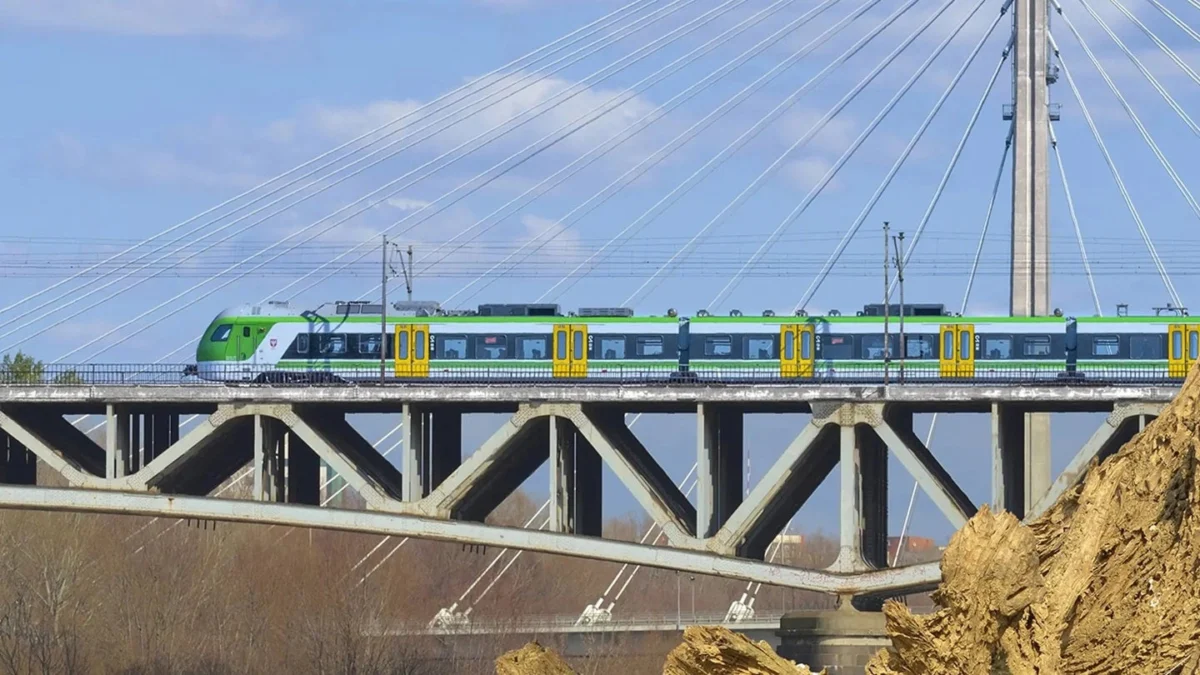
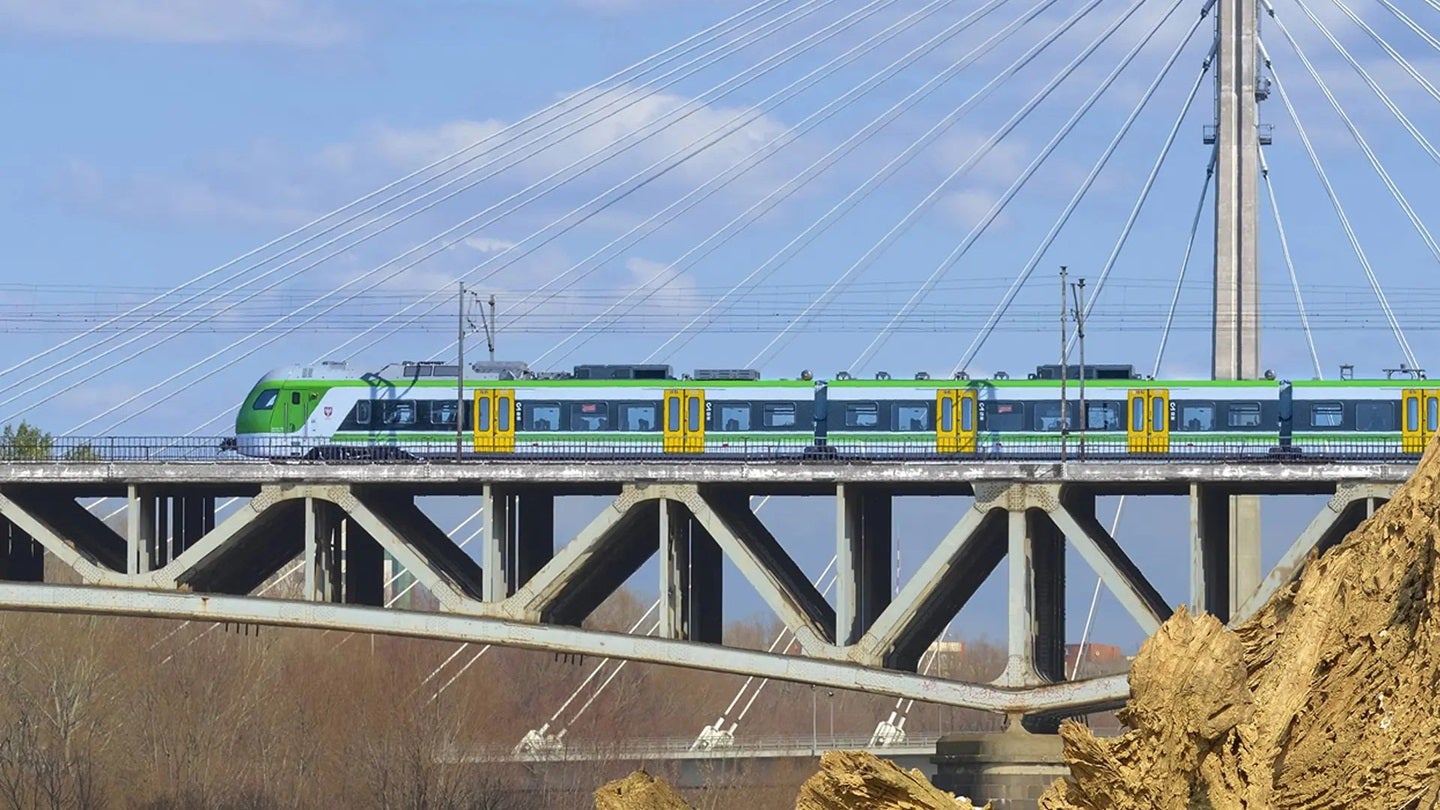
In a definitive move to cement its position as the premier regional rail operator in Poland, Koleje Mazowieckie (Masovian Railways) has finalized its most ambitious rolling stock procurement program to date. By signing a contract for 11 additional FLIRT electric multiple units (EMUs) from Stadler Polska, the operator has officially triggered the completion of a massive framework agreement that will see a total of 75 state-of-the-art trains delivered to the Masovian region.
This procurement does more than simply add capacity; it represents the culmination of a nearly two-decade strategic partnership between the regional operator and the Swiss-Polish manufacturer. With this final order, Koleje Mazowieckie is set to manage a staggering fleet of 146 FLIRT trains, establishing the largest concentration of this specific train platform in the country and setting a new benchmark for regional transit efficiency in Central Europe.
The Strategic Procurement: A Multi-Phase Evolution
The journey toward this modernized fleet has been characterized by meticulous planning and phased investment. The latest agreement for 11 units acts as the final "executive contract" under a wider framework intended to standardize the operator’s rolling stock, improve service reliability, and reduce the carbon footprint of regional travel.
Stadler Polska, which manufactures these units at its facility in Siedlce, has confirmed that while 64 units have already been contracted and are in various stages of production or service, these final 11 will bring the total to the contractual limit of 75. Beyond the delivery of the hardware, the contract includes a comprehensive lifecycle support package, encompassing intensive technical training for Koleje Mazowieckie staff, sophisticated repair protocols, and long-term maintenance services to ensure the longevity of the assets.
The integration of these trains is expected to significantly bolster the operator’s ability to meet rising passenger demand across the Masovian Voivodeship, a region that encompasses Warsaw and its increasingly busy commuter belt.
A Chronology of Partnership: Two Decades of Progress
The relationship between Koleje Mazowieckie and Stadler is a testament to the long-term value of industrial collaboration. To understand the significance of this latest order, one must look back at the historical trajectory of their cooperation:
2006: The Genesis: The inaugural delivery of FLIRT (Fast Light Innovative Regional Train) units occurred in 2006. These initial trains were instrumental in introducing modern European standards to Polish regional lines, specifically serving the high-traffic Warsaw–Siedlce corridor.
2020–2023: The Massive Scale-Up: Recognizing the need for rapid modernization to combat road congestion and improve environmental outcomes, Koleje Mazowieckie entered a period of aggressive fleet renewal, receiving 61 FLIRT units from Stadler during this four-year window.
2024–2025: The Final Framework Implementation: The current cycle of investment has seen the solidification of the 75-unit framework agreement. The contracts signed during this period ensure that the transition to a unified, high-performance fleet is completed by the end of the decade.
The Future: With the latest contract for 11 units signed in late 2025, the manufacturer is now focused on full-scale delivery, with an eye toward future fleet optimization and digital maintenance integration.
Technical Specifications and Passenger Experience
The FLIRT units selected by Koleje Mazowieckie are not merely "commuter trains"; they are sophisticated pieces of engineering designed for the rigors of high-frequency regional service. The aluminum-bodied trains are engineered for high energy efficiency—a critical factor given the rising costs of electricity and the industry-wide shift toward greener transport.
Performance and Safety Features
Speed: Capable of reaching operational speeds of 160 km/h, the units ensure that the regional operator can maintain strict timetables even across long distances.
Accessibility: In alignment with modern European Union standards, every unit is fully accessible to passengers with reduced mobility, featuring level boarding and spacious interior configurations.
Onboard Comfort: To improve the "door-to-door" experience, the trains are equipped with comprehensive Wi-Fi connectivity, modern passenger information systems, and high-definition CCTV surveillance for passenger safety.
Life-Saving Tech: A unique addition to the safety suite is the inclusion of onboard defibrillators, a proactive measure that highlights the operator’s commitment to passenger health.
Official Responses: A Milestone for Polish Industry
The announcement has been met with enthusiasm from both the operator and the manufacturer, highlighting the economic ripple effects of such a large-scale project.
Koleje Mazowieckie’s Perspective
Robert Stępień, CEO and General Director of Koleje Mazowieckie, emphasized the transformational nature of this deal:
"We are pleased to see the full implementation of the framework agreement for 75 FLIRT trains. This marks an important milestone for our company and a further step toward modernizing our fleet. While 64 units have already received the crucial backing of EU funding, we are already moving forward with applications for the remaining 11 units to ensure the financial sustainability of this expansion."
The Manufacturer’s Industrial Impact
For Stadler Polska, the project is a driver of local economic growth. Radosław Banach, CEO of Stadler Polska, noted that the project is as much about regional development as it is about rail engineering:
"The signing of this final executive contract is a milestone for us. Completing the full framework agreement allows us to continue expanding our Siedlce operations and strengthening our presence in the region. This year alone, we have created nearly 400 new jobs at Stadler Polska, and our engineering team has grown to 100 specialists—and we are still recruiting. This is excellent news not only for Stadler but also for our local partners, who play a vital role in delivering this project."
Implications: The Road Ahead
The implications of this procurement are threefold: economic, operational, and environmental.
1. Operational Dominance
With 146 FLIRT units in operation, Koleje Mazowieckie will possess the most uniform fleet in Poland. This uniformity provides massive logistical advantages, as maintenance schedules, spare parts procurement, and crew training become standardized across the entire system. This leads to reduced downtime and a more resilient network that can withstand the pressures of peak-hour traffic in the Warsaw metropolitan area.
2. Economic Stimulation
The "Siedlce Factor" cannot be overstated. By centering the manufacturing of these units within Poland, the project ensures that the economic benefits—from high-tech job creation to the cultivation of a local supply chain—remain within the country. The 400 new jobs created this year at the Stadler facility demonstrate that major infrastructure investments are a powerful engine for local economic stability.
3. Environmental Leadership
By transitioning away from older, less efficient rolling stock to modern EMUs, Koleje Mazowieckie is positioning itself as a leader in the Polish government’s efforts to lower carbon emissions. The energy-efficient design of the FLIRT platform, combined with the reduction of private car usage as the rail service becomes more attractive, is a key component of the regional strategy to combat climate change.
Conclusion: A New Standard for Regional Rail
As the final 11 units move from the drawing board to the production floor in Siedlce, the narrative of Koleje Mazowieckie is clear: the company is moving from a period of recovery and transition into an era of stability and expansion.
The successful procurement of 75 trains under a single framework agreement serves as a blueprint for other regional operators across Central and Eastern Europe. It demonstrates that when a clear vision for modernization is paired with a consistent, reliable manufacturing partnership, the result is not just a collection of trains, but a robust, efficient, and sustainable transport network that serves the needs of millions of passengers daily.
As Poland continues to integrate its rail infrastructure into the broader European network, the 146-strong FLIRT fleet will stand as a pillar of modern mobility—a testament to what can be achieved through long-term industrial commitment and a dedication to the passenger experience. With the manufacturing phase for the final units now underway, the coming years promise to be the most efficient yet for the Masovian region, securing the future of regional rail for a new generation of commuters.