

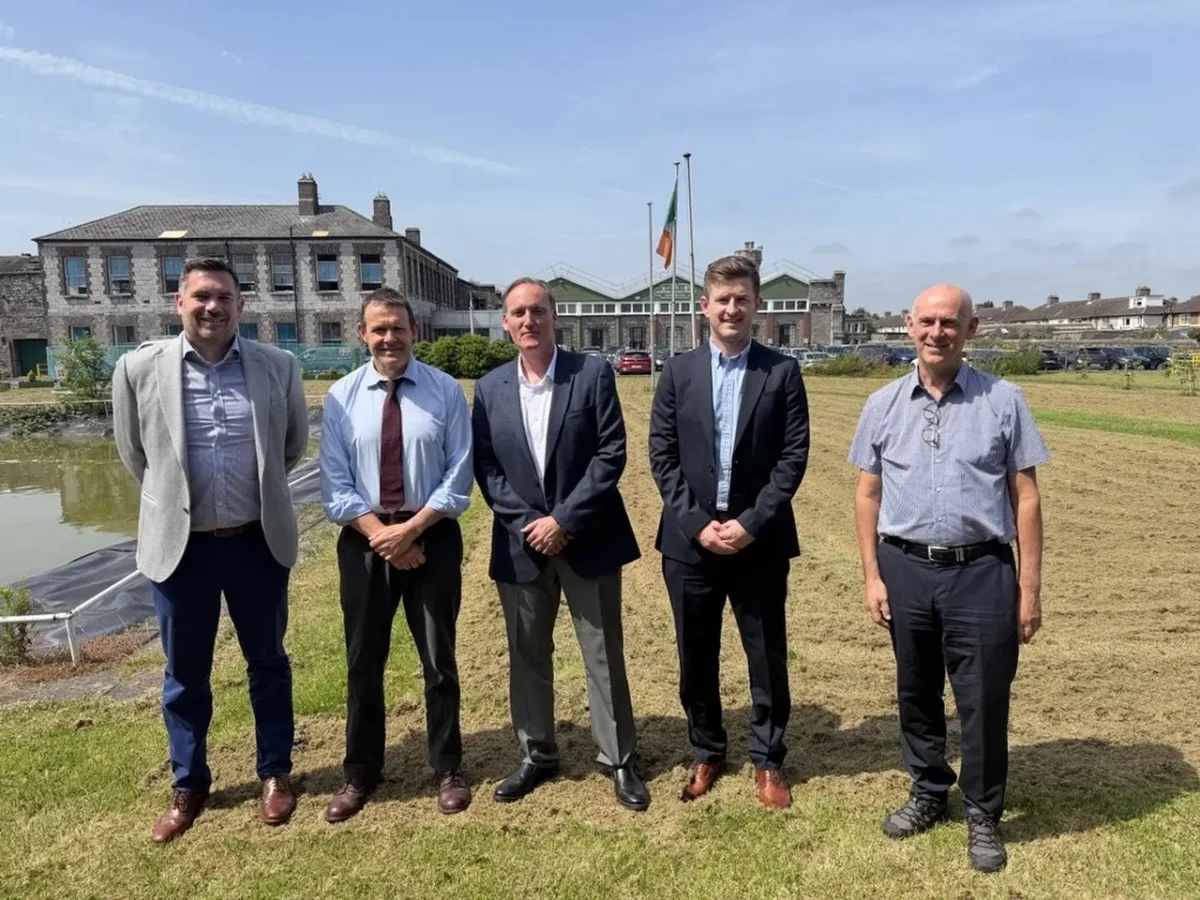
DUBLIN — In a move set to reshape the future of Ireland’s national transportation network, British engineering and infrastructure giant Amey has been appointed as the official implementation partner for Iarnród Éireann (Irish Rail). Secured under an eight-year, single-partner framework agreement valued at approximately EUR 30 million, this milestone contract marks Amey’s very first major direct collaboration with the state-owned railway operator.
The strategic partnership focuses heavily on critical infrastructure upgrades, specifically targeting signalling, electrification, and telecommunications (SET) systems. As Ireland looks to modernize its public transit framework to meet growing population demands and ambitious environmental targets, this long-term collaboration will provide Irish Rail with the specialized multidisciplinary resources required to execute complex, large-scale modernization projects from inception to completion.
Main Facts
The agreement establishes a structured, long-term working relationship between Amey and Irish Rail, positioning the British firm as a primary technical resource for the network’s ongoing evolution.
- Contract Value: Approximately EUR 30 million over the lifetime of the agreement.
- Duration: An eight-year single-partner framework.
- Core Focus Areas: Signalling, electrification, and telecommunications (SET).
- Scope of Work: Encompasses the entire project lifecycle, including preliminary design, project management, equipment installation, rigorous testing, and final commissioning.
- Execution Model: Works will be commissioned on a project-by-project basis depending on network requirements, utilizing both specialist personnel provision and direct engineering execution.
- Significance: This is Amey’s inaugural direct infrastructure contract with Irish Rail, significantly expanding the company’s heavy rail footprint in the Republic of Ireland.
The partnership is designed to offer Irish Rail flexible, on-demand access to top-tier engineering talent and specialized capabilities. Rather than managing distinct procurement processes for every individual network upgrade over the coming decade, Irish Rail can leverage Amey’s multidisciplinary workforce to seamlessly roll out technical improvements across urban and rural transit corridors.
Chronology and Strategic Context
While this agreement represents Amey’s first direct venture into Irish Rail’s heavy rail infrastructure projects, the company is far from a newcomer to the Irish transportation landscape.
Expanding an Established Footprint
Amey already maintains a significant presence in Ireland’s public transport sector. Most notably, the company participates in a joint venture with French transport operator Keolis. Through the KeolisAmey partnership, the firm successfully took over the operation and maintenance contract for the Luas, Dublin’s heavily utilized and rapidly expanding light rail network.
However, securing a foothold in Ireland’s national heavy rail network has been a distinct strategic objective for Amey. Over recent years, the Irish government has ramped up capital expenditure in public transport, aiming to shift commuters away from private vehicles and reduce national carbon emissions. Recognizing these policy shifts, Amey positioned itself to bid for the rigorous vetting processes required by Iarnród Éireann.
The Procurement Journey
The journey toward this eight-year framework agreement involved months of competitive tendering and technical capability evaluations. Irish Rail sought a reliable, highly skilled international implementation partner capable of meeting stringent safety and regulatory standards. Amey’s proposal successfully demonstrated its extensive global experience in managing complex railway engineering projects, satisfying the state operator’s criteria for a single-partner framework.
By structuring the deal as an eight-year framework rather than a short-term transactional contract, both organizations have signaled a commitment to long-term collaborative planning, enabling sustained knowledge transfer and standardized engineering practices across future upgrades.
Supporting Data and Technical Scope
The EUR 30 million valuation serves as an aggregate financial estimate for the entire eight-year lifespan of the framework. Because individual projects will be greenlit on a rolling, needs-basis, the precise allocation of funds will fluctuate in response to national transport funding announcements and localized infrastructure demands.
The Lifecycle Approach
One of the most appealing aspects of the agreement for Irish Rail is Amey’s capacity to manage the complete project lifecycle. The scope of services includes:
- Preliminary Design & Feasibility: Early-stage engineering studies, route assessments, and technological viability mapping.
- Project Management: Comprehensive oversight covering scheduling, budgeting, risk mitigation, and stakeholder coordination.
- Installation: Physical deployment of heavy infrastructure, including trackside signaling hardware, overhead catenary electrification systems, and modern fiber-optic or wireless telecommunications networks.
- Testing and Commissioning: Rigorous quality assurance protocols, safety stress-testing, and final integration into the live operational network to ensure zero disruption to daily commuter services.
Modernizing for the Future
Modern rail networks rely heavily on resilient digital architecture and robust power grids. Traditional signaling systems across Europe are increasingly being replaced by digital alternatives that allow for tighter train spacing, higher frequencies, and enhanced safety buffers. Similarly, expanding electrification is a cornerstone of rail decarbonization, enabling the replacement of diesel fleets with electric or hybrid alternatives.
Through this framework, Amey’s engineers will directly support Irish Rail’s strategic roadmap to transition toward a greener, faster, and more dependable rail network.

Official Responses and Industry Perspectives
Leadership from both organizations have emphasized the transformational nature of the partnership, highlighting mutual commitments to safety, innovation, and long-term regional development.
The View from Amey
For Amey’s executive team, the contract represents a major corporate milestone. Peter Anderson, Managing Director of Amey, underscored the cultural and strategic importance of the win during the announcement:
"This is a defining moment for Amey in Ireland. Our appointment as Irish Rail’s implementation partner is more than just winning a contract — it marks the beginning of a long-term relationship. We are thrilled to bring our multidisciplinary engineering expertise and proven project delivery capabilities to support Iarnród Éireann in modernizing Ireland’s rail network."
Anderson noted that the company is eager to leverage its broad international experience to deliver resilient solutions that will serve Irish communities for decades to come.
The View from Irish Rail
From the perspective of the national operator, the framework agreement addresses a critical need for specialized scaling capacity. Tony Ennis, Chief Engineer for Signalling, Electrification and Telecommunications at Irish Rail, explained how the partnership fits into the network’s broader modernization agenda:
"This framework agreement gives Irish Rail access to specialist expertise in signalling, electrification and telecommunications, which will support the further development of our rail network. As we advance ambitious plans to upgrade infrastructure across the country, having a reliable, highly skilled implementation partner like Amey ensures we maintain the technical depth required to deliver complex projects safely and efficiently."
Ennis emphasized that the partnership will allow Irish Rail to accelerate internal timelines without compromising on the meticulous safety standards expected of modern national rail systems.
Implications for the Irish Rail Network
The partnership between Amey and Irish Rail arrives at a critical juncture for Irish transportation infrastructure. The country is experiencing rapid urban growth, particularly in the Greater Dublin Area and regional economic hubs like Cork, Galway, and Limerick. Meeting this demand requires a transit network capable of high-frequency, high-capacity operations.
Enhanced Safety and Reliability
Outdated infrastructure is a primary vulnerability for any railway system, often leading to delays, maintenance backlogs, and safety risks. By embedding Amey’s engineering specialists directly into the SET development cycle, Irish Rail is proactively mitigating these risks. Upgraded signalling systems will improve line capacity and punctuality, while modern telecommunications will ensure seamless communication between train drivers, dispatchers, and maintenance crews.
Accelerating Decarbonization
Ireland’s Climate Action Plan mandates a significant reduction in carbon emissions across all sectors, including transport. Electrification is the most effective method for decarbonizing rail lines currently reliant on diesel traction. The framework agreement provides Irish Rail with the engineering muscle needed to expand overhead line equipment (OHLE) and associated power supply networks, paving the way for a cleaner, fully electrified fleet in the years ahead.
Economic and Regional Impact
Beyond the immediate engineering outcomes, the partnership is expected to generate indirect economic benefits. The deployment of specialist personnel and multidisciplinary services will foster skills development within the local engineering sector. As Amey ramps up its operational activities in Ireland, opportunities for local subcontractors, suppliers, and technical graduates will expand, reinforcing the country’s engineering talent pool.
Looking Ahead
As the first projects under the EUR 30 million framework are scoped and initiated, all eyes will be on how Amey and Irish Rail collaborate on the ground. If successful, this eight-year partnership could serve as a blueprint for future infrastructure procurement in Ireland, demonstrating how public-private collaboration can successfully modernize legacy systems to meet the demands of a rapidly changing world.

