

Executive Summary: A New Era for North Rhine-Westphalia
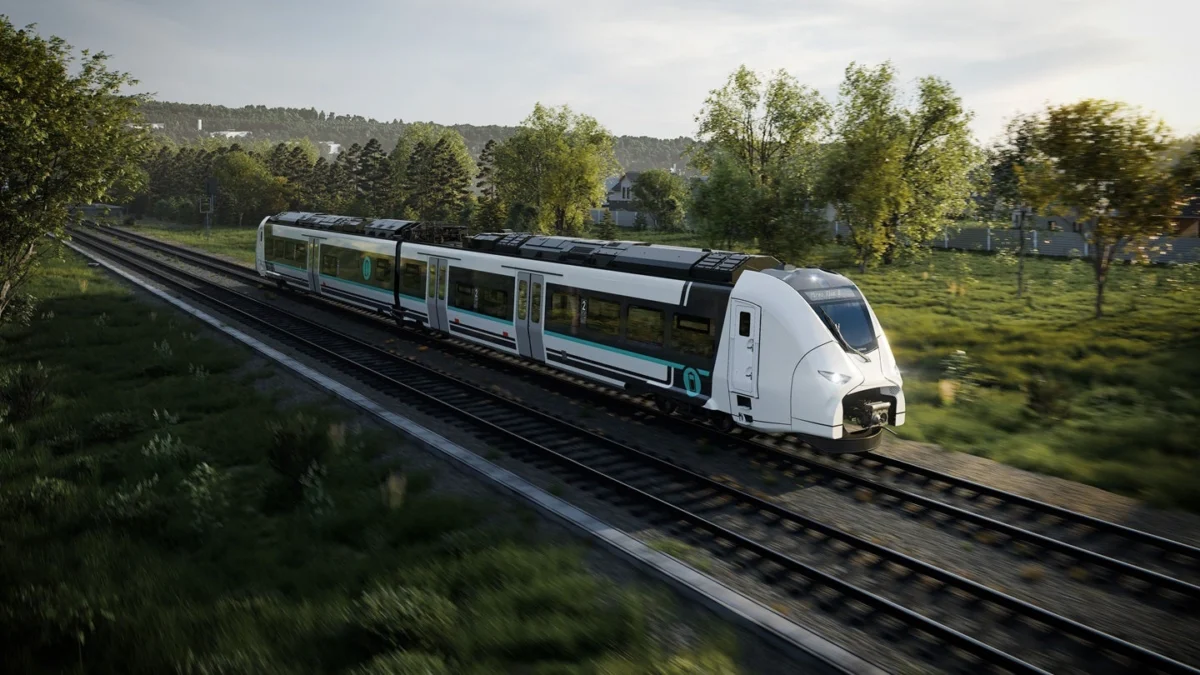
In a landmark move for European sustainable transport, the Zweckverband Nahverkehr Westfalen-Lippe (NWL) has officially commissioned a fleet of 61 state-of-the-art battery-powered trains from Siemens Mobility. This transformative project, which is set to fundamentally reshape regional connectivity in Northern Westphalia, represents a decisive pivot away from fossil-fuel-dependent infrastructure. By replacing traditional, aging diesel railcars with the innovative Mireo Plus B platform, the region is positioning itself at the vanguard of the European green transition.
The deployment, scheduled to commence in December 2029, will create the second-largest fleet of Battery Electric Multiple Units (BEMUs) in Germany. This initiative is not merely a fleet upgrade; it is a structural redesign of how rural and regional networks operate, proving that climate-neutral travel can be both technologically feasible and economically viable.
Chronology of a Sustainable Vision
The journey toward this monumental order began with the urgent need to decarbonize rail corridors that lacked the overhead catenary lines necessary for traditional electric trains.
- Strategic Planning: NWL identified the Northern Westphalia Network (NNW) as a primary target for modernization. Given the geographical spread and the existence of "gaps" in the electrified network, diesel propulsion was previously the only functional choice.
- Technological Selection: After rigorous evaluation, the Siemens Mobility Mireo Plus B was selected for its versatility. The platform allows for seamless transitions between electrified and non-electrified track segments.
- Financing Agreement: Recognizing the capital-intensive nature of such a transition, the partnership with Rock Rail NnW was formalized. This leasing model provides a blueprint for how public transport authorities can leverage private capital to accelerate green infrastructure.
- The Order Announcement: In late 2025, the order for 61 units was confirmed, signaling the beginning of a long-term procurement and manufacturing phase.
- Operational Horizon: The project is locked in for a minimum 15-year operational lifecycle, beginning in December 2029, with an expected annual service volume of 7.1 million train kilometers.
Technological Superiority: The Mireo Plus B Platform
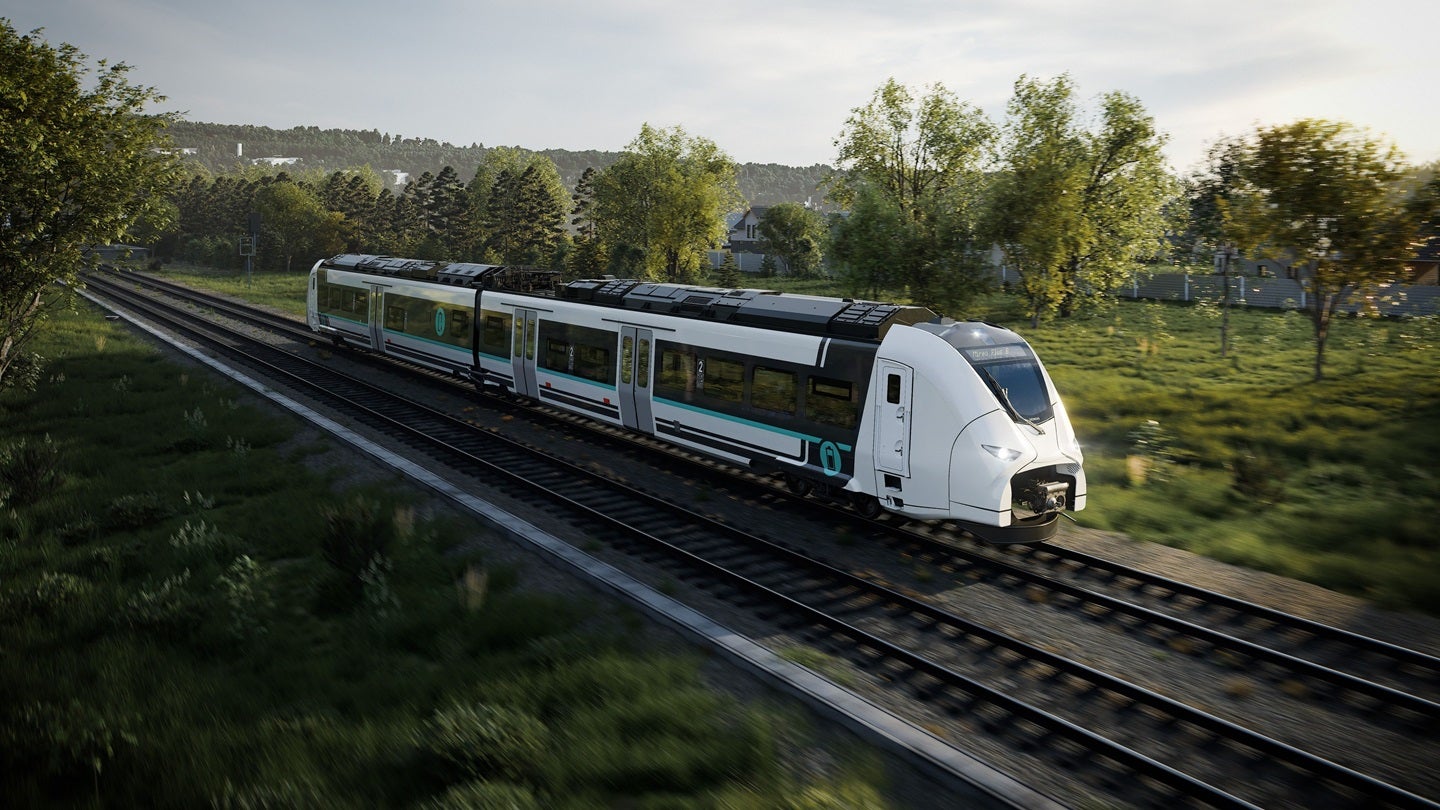
The Mireo Plus B is the backbone of this transition. Designed specifically for regional routes, the train utilizes a dual-mode power system that effectively bridges the "electrification gap."
The Battery-Hybrid Mechanism
The trains are equipped with advanced, high-density lithium-ion batteries. While the train travels under existing overhead lines, it draws power directly from the grid, simultaneously recharging its battery array. When the train reaches the end of an electrified section, it seamlessly switches to battery power. This enables the vehicle to traverse non-electrified routes—which are common in rural East Westphalia-Lippe and Münsterland—without emitting carbon or particulate matter.
Regenerative Braking and Efficiency
A critical component of the Mireo Plus B’s efficiency is its regenerative braking technology. Every time the train slows down or descends a gradient, the electric motors reverse their function to act as generators. This process captures kinetic energy that would otherwise be lost as heat, feeding it back into the battery system. This cycle of energy recovery significantly reduces overall power consumption and extends the range of the vehicle between charges.
Design for the Modern Commuter
The physical specifications of the 61 trains reflect a deep focus on user experience and accessibility:
- Capacity and Flow: Each two-car set is designed for high-density traffic. With four doors per side, the boarding and disembarking process is optimized, reducing dwell times at stations.
- Accessibility: In line with modern European accessibility standards, the trains provide step-free access across all services. The interior layout is specifically configured to accommodate two wheelchair users and up to 18 bicycles, acknowledging the shift toward multi-modal commuting.
- Passenger Amenities: The interior is designed to turn the commute into a productive or relaxing experience, featuring high-speed Wi-Fi, integrated power outlets, USB charging ports, and dedicated "quiet zones."
- Sustainability in Manufacturing: Beyond its operational footprint, the train itself is a triumph of circular engineering. Over 90% of the materials used in the construction of the Mireo Plus B are recyclable, minimizing the environmental impact of the train’s eventual decommissioning decades from now.
Official Perspectives and Strategic Implications
Siemens Mobility: Scaling Decarbonization
Michael Peter, CEO of Siemens Mobility, emphasized that this order is a validation of the company’s "alternative drive systems" strategy. "The order underscores our leading role in alternative drive systems and demonstrates how we create sustainable solutions with state-of-the-art technology," Peter stated. By deploying this fleet, Siemens is not just providing transport; they are proving that the rail industry can lead the industrial sector in the fight against climate change.
NWL: Bridging Rural Gaps
Christiane Auffermann, Managing Director of NWL, highlighted the specific challenges of rural mobility. "Especially in rural regions like Westphalia-Lippe, battery-powered trains offer ideal technological prerequisites to bridge sections of track without existing overhead lines in a climate-friendly manner," she explained. The deployment is a core pillar of NWL’s broader strategy to ensure that rural citizens have access to the same quality of transit as those in major metropolitan hubs.
Rock Rail: The Finance Model
The involvement of Rock Rail NnW provides an essential lesson in public-private partnerships. Mark Swindell, CEO of Rock Rail, noted: "This project is an excellent example of how innovative financing models can accelerate the introduction of state-of-the-art, environmentally friendly rail technology." By utilizing a leasing arrangement, NWL can bypass the massive upfront capital expenditure required for 61 new units, allowing them to redirect public funds toward service frequency and station maintenance.
Implications for the German Rail Network
The transition to BEMUs in Northern Westphalia carries significant weight for Germany’s national climate targets.
Reducing the Carbon Footprint
The primary benefit is the immediate removal of diesel-powered railcars from the network. Diesel trains are significant contributors to local noise and air pollution in rural communities. The Mireo Plus B operates with significantly reduced noise levels, improving the quality of life for residents living near tracks. Furthermore, by tapping into Germany’s increasingly green electrical grid, the operational CO2 emissions of the NNW will drop to near zero.
A Template for Europe
The NWL project is being closely watched by transport authorities across the European Union. As many nations struggle to justify the massive cost of overhead line electrification for low-density rural routes, the "Battery-Electric" approach offers a cost-effective, immediate alternative. If this deployment proves as successful as projected, it will likely trigger a wave of similar orders across Eastern and Southern Europe, where extensive non-electrified rail networks currently rely on aging diesel technology.
Strengthening Regional Economy
Reliable, clean, and comfortable public transport is a key driver of economic activity. By connecting the rural towns of East Westphalia-Lippe and Münsterland to the broader network with high-tech, fast-boarding trains, NWL is effectively reducing the "remoteness" of these regions. This supports local labor markets and tourism, ensuring that the economic benefits of the region are distributed more equitably.
Conclusion: The Path to 2029 and Beyond
The procurement of 61 Mireo Plus B trains by NWL is a milestone that marks the beginning of the end for the diesel era in German regional rail. As we look toward the December 2029 operational commencement, the project stands as a testament to what is possible when engineering innovation, creative financing, and clear-eyed public policy converge.
By 2030, commuters in Northern Westphalia will be riding on the second-largest battery-electric fleet in the nation. They will benefit from faster boarding, quieter travel, and a cleaner environment. More importantly, they will be part of a regional infrastructure that has successfully decoupled transit growth from carbon emissions. The NWL and Siemens Mobility partnership has not only set a new standard for regional transport in Westphalia—it has drafted the blueprint for the decarbonization of rural rail globally.

