

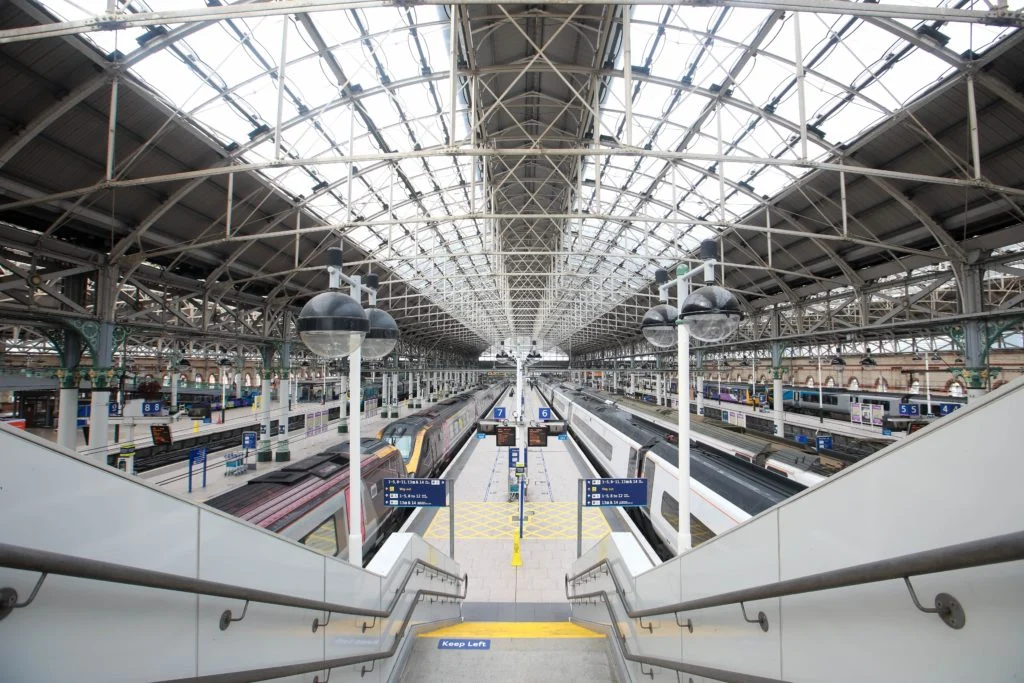
Transport for the North (TfN) has officially unveiled its "Connected Mobility Strategy," a transformative roadmap designed to dismantle the fragmented nature of regional travel and usher in a new era of seamless, multi-modal public transport. By prioritizing digital integration, unified ticketing, and data-driven infrastructure, the strategy seeks to reposition the North of England as a leader in modern, sustainable transit.
As the region grapples with the dual challenges of economic disparity and climate change, this strategy serves as a strategic blueprint to harmonize the travel experience for millions, promising a future where moving from point A to point B is no longer a logistical hurdle, but a simple, intuitive process.
The Core Pillars: Decoding the Connected Mobility Strategy
The Connected Mobility Strategy is not merely a policy document; it is an operational framework designed to catalyze collaboration between regional authorities, transport operators, and technology providers. At its heart, the strategy aims to eliminate the friction that currently plagues cross-boundary travel in the North.
To achieve this, TfN has identified three fundamental themes that will guide their efforts over the coming years:
1. The Future of Ticketing
The current landscape of Northern transport is often defined by a "patchwork" of ticketing systems. A commuter traveling from a rural town to a major city center often encounters multiple operators, each requiring different payment methods or proprietary cards. The new strategy moves toward a universal "Pay-As-You-Go" (PAYG) model. By leveraging contactless technology and integrated fare capping, TfN intends to replicate the success of systems like London’s Oyster or contactless payment, ensuring that passengers pay the best price regardless of the number of transfers or modes of transport utilized.
2. Data and Infrastructure
Modern mobility is built on the foundation of high-quality, real-time data. TfN’s strategy emphasizes the creation of a centralized digital ecosystem where operators share information to provide passengers with unified journey planning. This includes investing in the digital backbone—sensors, 5G connectivity, and cloud-based ticketing back-offices—that allows for real-time tracking, accurate arrival predictions, and the seamless exchange of ticketing data between operators.
3. Future Mobility
This pillar addresses the "last mile" problem and the integration of emerging transport technologies. From e-scooters and bike-sharing schemes to on-demand bus services, the strategy seeks to weave these modern solutions into the traditional rail and bus networks. By creating a unified digital portal, the goal is to make public transport so convenient that it becomes the default choice over private vehicle ownership.
Chronology: The Path to Integration
The launch of this strategy is the culmination of years of advocacy and regional cooperation.
- 2018–2020: The Foundation of Northern Rail Powerhouse: TfN began intensive consultations with stakeholders to identify the primary barriers to regional mobility. Early reports highlighted that "fare complexity" was the leading reason for passenger dissatisfaction.
- 2021: The Post-Pandemic Shift: As travel patterns shifted due to the COVID-19 pandemic, TfN recognized the need for more flexible, dynamic ticketing to accommodate part-time commuters and sporadic travelers.
- 2022: Technical Feasibility Studies: TfN conducted extensive analysis into the digital infrastructure requirements needed to connect disparate ticketing systems across the North’s various local transport authorities.
- November 2023: Strategy Launch: The official publication of the Connected Mobility Strategy marked the transition from theoretical planning to an active, long-term implementation phase.
- 2024 and Beyond: The focus now shifts to regional pilot projects, phased rollouts of contactless ticketing, and the securing of multi-year government funding to sustain these digital advancements.
Supporting Data: The Case for Transformation
The necessity of this strategy is supported by mounting evidence regarding the economic and environmental costs of the current fragmented system.
Congestion and Economic Impact
According to recent regional audits, congestion in major Northern hubs—including Manchester, Leeds, and Sheffield—costs the regional economy billions annually in lost productivity. A 2022 study by TfN noted that for every 10% increase in public transport integration, there is a measurable uptick in regional employment accessibility.
Environmental Imperatives
Transport remains one of the largest contributors to carbon emissions in the North. The "Connected Mobility" model is intrinsically linked to the region’s Net Zero ambitions. By incentivizing the use of public transport over private cars, TfN estimates that a fully integrated network could reduce regional CO2 emissions from transport by as much as 15% by 2035.
Digital Accessibility
While 85% of Northern residents have access to smartphones, the utility of these devices for public transport remains limited by siloed apps. The strategy aims to bridge this gap, ensuring that even those with lower digital literacy can access multi-modal tickets through simplified, universal interfaces.
Official Responses: A Unified Vision for the North
The launch has received broad support from industry leaders, local government officials, and passenger advocacy groups.
Martin Tugwell, Chief Executive at Transport for the North, provided the keynote sentiment during the launch: "We’re delighted to launch our Connected Mobility Strategy which builds on, and empowers, local successes and decision making in delivering more connected journeys. The way people travel from point A to point B is changing and the strategy will go a long way towards giving passengers better information on their travel choices."
Tugwell emphasized that the strategy is not intended to centralize control, but rather to provide the "connective tissue" that allows local success stories to scale.
Local transport authorities have also echoed this sentiment. Many regional mayors have identified the "ticketing barrier" as a primary hurdle to leveling up the North. By reducing the complexity of the fare structure, local leaders believe they can attract a new demographic of passengers—specifically those who have previously avoided public transit due to the perceived difficulty of navigating multiple, competing systems.
Implications: Building a Greener, More Inclusive Future
The implications of this strategy reach far beyond the simple convenience of a unified ticket. It represents a fundamental shift in how the region perceives its own geography.
Reducing Social Exclusion
Public transport is the primary mobility solution for lower-income households. A fragmented system that requires multiple tickets is essentially a "poverty tax," as commuters are forced to pay higher fares for individual segments of a journey rather than benefiting from integrated, capped pricing. By streamlining payments, the Connected Mobility Strategy directly supports social inclusion, making it easier for people to access jobs, education, and healthcare.
Boosting Regional Competitiveness
The North’s ability to attract international investment and talent is tied to its connectivity. A region that moves as one, with a coherent transport network, is significantly more attractive to businesses than one where the infrastructure is disjointed. If a worker can travel from a suburb in Leeds to a business park in Manchester using a single payment method, the functional "economic size" of the North effectively grows.
Adapting to Evolving Behaviors
The traditional "9-to-5" commuter model is waning. Modern travelers require flexibility, and the strategy’s focus on "dynamic PAYG" systems acknowledges this. By allowing for flexible, demand-responsive transit, the North is positioning itself to lead the national conversation on how regional transport can survive and thrive in a post-digital age.
The Challenge of Funding
Despite the optimism surrounding the launch, the strategy is not without its challenges. The primary obstacle remains the securing of long-term, structured funding from the central government. Digital infrastructure—the servers, the data-sharing platforms, and the hardware upgrades—requires significant upfront capital. TfN has been clear that for this strategy to be fully realized, it must move beyond sporadic grant-based funding to a permanent, sustainable investment model that mirrors the support given to transport projects in the South.
Conclusion: A New Horizon for Northern Transport
Transport for the North’s Connected Mobility Strategy is a visionary step toward a future where regional boundaries disappear in the eyes of the passenger. By prioritizing the user experience through technology, data, and policy, the strategy promises to transform the North into a cohesive, efficient, and sustainable transit region.
As the implementation phase begins, the success of this strategy will be measured by the ease with which a resident of a small village in the Pennines can navigate their way to a city center, utilizing a mix of local bus, regional rail, and micro-mobility options—all on a single, frictionless ticket. If successful, the strategy will not only improve the daily lives of millions but will also serve as the engine for the North’s economic and environmental renewal. The road ahead is complex, but with a clear roadmap now in place, the path to a more connected, greener North has never been more visible.

