

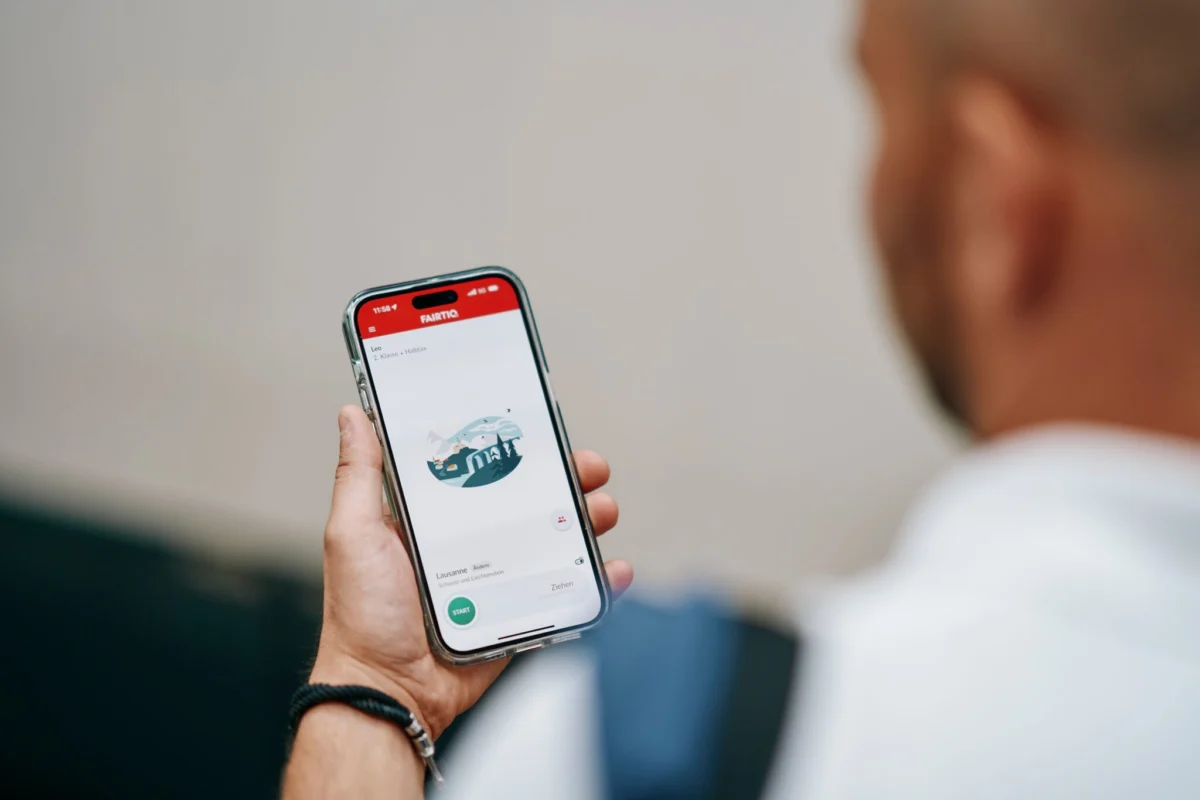
In a landmark move toward digital transformation, Slovakia’s national railway operator, Železničná spoločnosť Slovensko (ZSSK), has officially announced a strategic partnership with Swiss-based transit technology leader FAIRTIQ. This collaboration aims to launch a pioneering nationwide "Mobile Pay-As-You-Go" (MPAYG) ticketing pilot, fundamentally reshaping how passengers interact with public transport across the country.
The initiative, scheduled to launch in January 2026, marks a significant departure from traditional fare structures. By removing the complexity of pre-purchasing tickets, navigating zonal maps, or calculating regional tariffs, ZSSK is positioning itself at the forefront of European rail innovation.
The Core Concept: Frictionless Mobility
At the heart of this partnership is the FAIRTIQ application, a globally recognized solution that utilizes "check-in/check-out" (CICO) technology. The mechanism is deceptively simple: passengers open the app, swipe to "check in" before boarding, and swipe to "check out" upon reaching their destination. The system operates in the background, utilizing location-based services to track the route taken. Once the journey concludes, the software automatically calculates the optimal fare based on the distance covered and ZSSK’s existing tariff regulations.
This shift effectively eliminates the "ticket machine anxiety" that often deters occasional travelers. For both the daily commuter and the infrequent tourist, the necessity of understanding complex fare zones or queuing at physical ticket counters is removed. The app acts as a digital personal assistant, ensuring that passengers always pay the best available price without needing to know the intricacies of the operator’s pricing tiers.
Chronology of the Initiative: From Vision to Implementation
The road to this pilot project has been a calculated progression of ZSSK’s broader modernization agenda.
- Q3 2024 – Strategic Planning: ZSSK identified the need for a more intuitive, digital-first approach to ticketing, recognizing that their existing mobile and online platforms, while popular, lacked the seamlessness of modern CICO systems.
- Q1 2025 – Partnership Formalization: ZSSK and FAIRTIQ entered into an agreement to adapt the technology to the specific requirements of the Slovakian rail network.
- Q4 2025 – Technical Integration: ZSSK engineers and FAIRTIQ developers worked to integrate the platform with the national railway’s backend, ensuring data security, accurate fare calculation, and compatibility with the diverse range of routes, including specialized mountain railways.
- January 2026 – Pilot Launch: The official commencement of the one-year pilot program across all ZSSK domestic routes.
- 2027 – Evaluation Phase: A comprehensive review of passenger adoption, technical stability, and economic impact to determine the viability of a permanent national rollout.
Scope of the Pilot: Covering the Heart of Slovakia
The pilot is not limited to high-speed corridors or metropolitan areas; it is designed to encompass the entirety of ZSSK’s domestic network. This is particularly significant given the geography of Slovakia, which includes challenging terrain and iconic regional lines.
The scope includes the Tatra Electric Railway (TEŽ), which serves the High Tatras—the country’s premier mountain tourism destination—and the historic Cogwheel Railway (OŽ). By including these specialized lines, ZSSK is testing the system’s robustness under varying conditions, from high-frequency commuter routes in Bratislava to seasonal tourist lines in the mountains. This breadth ensures that the data gathered during the pilot will be representative of the entire national passenger demographic.
Supporting Data and the Digital Shift
ZSSK’s decision to embrace this technology is backed by compelling internal data. According to recent reports from the operator, over 52% of customers have already transitioned to digital channels for ticket procurement. This figure represents a tipping point; the majority of ZSSK’s base is no longer reliant on physical ticket offices or on-board conductors for paper sales.
"More than 52% of our customers already use digital channels to purchase tickets via mobile or online platforms," noted Peter Helexa, CEO of ZSSK. "FAIRTIQ is therefore a natural next step for us on the path towards simpler and more convenient rail travel."
The pilot is also designed to act as a sophisticated data-gathering tool. By anonymizing passenger movement patterns, ZSSK will gain unprecedented insight into how, when, and where people travel. This information is invaluable for long-term strategic planning. By understanding the "why" behind travel flows, ZSSK can optimize its schedules, adjust train capacities to prevent overcrowding, and identify gaps in service that currently go undetected.
The Modernization Strategy: A Four-Pillar Foundation
ZSSK’s digital evolution is not an isolated experiment but part of a structured four-pillar modernization strategy:
- Stable and Attractive Employer: Enhancing the work environment for rail staff by reducing the administrative burden of manual ticket checking and allowing employees to focus on customer service and safety.
- Modern Trains: Continuous investment in rolling stock upgrades to ensure comfort and reliability.
- Modern Services: The FAIRTIQ partnership falls squarely into this category, aiming to replace legacy processes with intuitive, digital-native experiences.
- Financial Strength and Stability: By reducing the costs associated with ticket vending machines, paper printing, and administrative overhead, ZSSK aims to create a leaner, more sustainable business model.
Implications for the Future of Public Transport
The implementation of the FAIRTIQ system carries profound implications for the future of the Slovakian transport sector.
Passenger Experience
The most immediate benefit is the radical simplification of the passenger journey. In an era where consumers are accustomed to the "one-click" convenience of platforms like Uber, Netflix, or Amazon, the public transport industry has struggled to keep pace. By removing the friction of the ticketing process, ZSSK is lowering the barrier to entry for public transit. This is expected to encourage a shift from private car usage to rail, supporting national environmental and decarbonization goals.
Data-Driven Decision Making
Public transport operators often suffer from "data blindness." While they know how many tickets are sold, they often lack granular data on the exact routes taken or the specific points of boarding and alighting. The CICO system provides a rich stream of data that can be used to model demand with high precision. This could lead to a more responsive rail network where service frequency is dynamically adjusted based on real-world demand rather than static, outdated timetables.
Scalability and Integration
If the one-year pilot proves successful, the potential for expansion is immense. The technology has the capability to be integrated with other forms of transport—such as local buses, trams, or even micro-mobility options like bike-sharing schemes. This creates the possibility of a "Mobility as a Service" (MaaS) ecosystem in Slovakia, where a single app provides a unified experience across all modes of transport.
Privacy and Trust
ZSSK and FAIRTIQ have emphasized that data privacy will remain a cornerstone of the pilot. All data collected will be anonymized, ensuring that individual travel habits cannot be tracked or linked to personal identities. In a landscape of growing public concern regarding digital surveillance, this commitment to privacy is essential for building and maintaining user trust.
Official Perspectives: A Visionary Partnership
The collaboration reflects a shared philosophy between the Swiss tech provider and the Slovakian operator. FAIRTIQ has long championed the idea that the best transport technology is invisible; it should facilitate the journey without requiring the user to think about the underlying technical complexity.
For ZSSK, the partnership is a statement of intent. It signals to the public and to international stakeholders that the Slovakian rail network is ready to compete with the best in Europe. By adopting a solution that has already seen success in markets like Switzerland, Austria, and Germany, ZSSK is leveraging proven technology to leapfrog traditional modernization hurdles.
Conclusion: A Benchmark for Central Europe
As January 2026 approaches, the eyes of the European transport sector will be on Slovakia. The ZSSK-FAIRTIQ pilot is more than just a new app; it is a test case for whether a national rail operator can successfully transition to a modern, user-centric, and data-driven entity.
If the pilot succeeds in increasing ridership and providing actionable operational insights, it will likely serve as a blueprint for other national operators in Central and Eastern Europe. The "check-in/check-out" model promises to transform the daily commute from a task of logistics into a seamless experience, proving that even a legacy industry like rail can be successfully reimagined for the digital age. By focusing on passenger convenience, environmental responsibility, and technical innovation, ZSSK is not just moving trains; it is moving the country toward a more connected, efficient, and sustainable future.

