

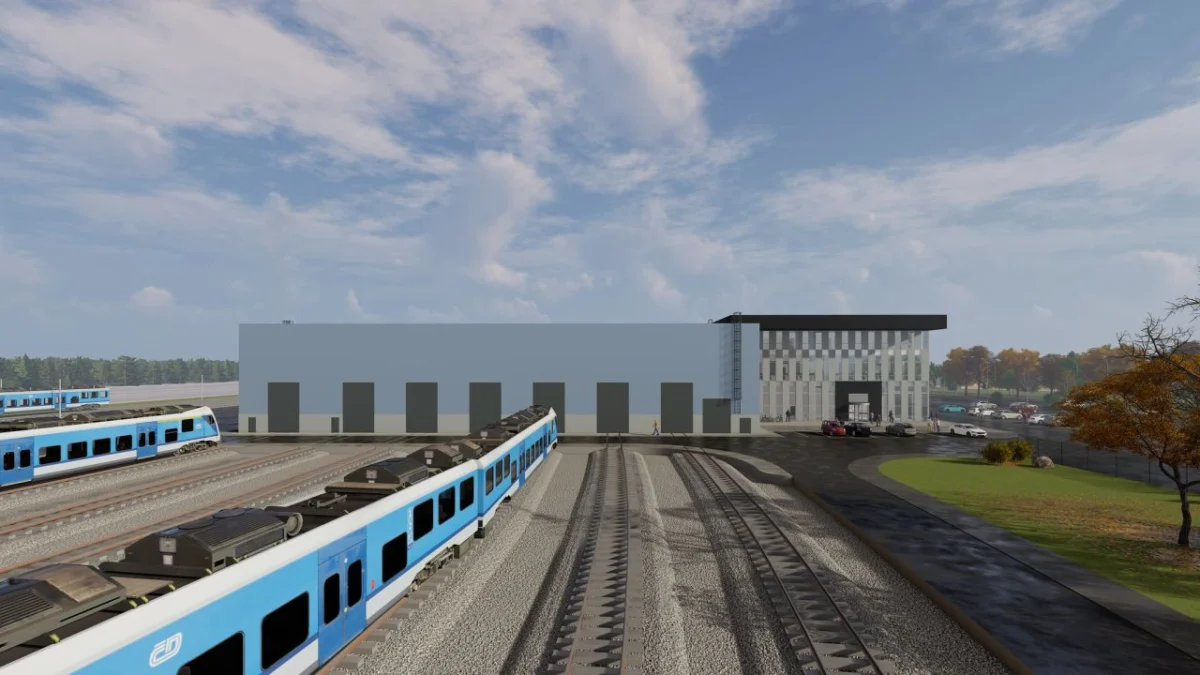
In a landmark move for the future of Baltic transportation, Rail Baltic Estonia has officially initiated the procurement process for the construction of the region’s largest rolling stock maintenance and operations depot. Located in the Soodevahe area of Harju County, this massive infrastructure project represents a critical pillar in the operational viability of the Rail Baltica high-speed line. With an estimated investment of EUR 41.33 million (excluding VAT), the project is slated for completion by the end of 2028, signaling a transformative step toward a modern, interconnected rail network.
Main Facts: The Hub of Future Mobility
The proposed facility is not merely a repair shop; it is the heartbeat of the Estonian segment of the Rail Baltica project. By centralizing maintenance, repair, and operational preparation under one roof, the depot will ensure that the high-speed and regional train fleets remain in peak condition.
The scope of the project is significant. The facility is designed to accommodate the simultaneous servicing of up to six high-speed trains or twelve regional trains. This dual-capacity approach reflects the versatility required to manage both the international high-speed traffic connecting the Baltic states to Central Europe and the domestic regional services that are essential for local connectivity.
The architectural footprint includes a sophisticated two-volume structure: a primary maintenance hall and a three-story administrative building. Inside the main hall, eight specialized service lines provide a total of 1,380 meters of operational space. The external yard will complement these indoor facilities with six additional service lines dedicated to cleaning, provisioning, and overnight parking, effectively doubling the depot’s throughput. Furthermore, the complex will feature dedicated infrastructure for heavy maintenance, including a specialized wheel-profiling lathe—a critical tool for maintaining the safety and efficiency of high-speed rail wheels—and a comprehensive automated washing system.
Chronology: A Roadmap to 2028
The path to the depot’s commissioning is governed by a strict, ambitious timeline. Following the recent launch of the public procurement procedure, the project has moved into the critical bidding phase.
- January 2026: Official launch of the tender for both the technical design and the construction works of the depot.
- March 10, 2026: The deadline for contractors to submit their formal bids. This window allows for rigorous vetting of technical proposals and financial viability.
- April 2026: The expected timeframe for the final selection of the contractor and the formal signing of the construction agreement.
- Late 2026: Anticipated commencement of on-site construction activities in Soodevahe.
- 2027–2028: Primary construction, installation of specialized rail systems, and testing of diagnostic equipment.
- End of 2028: Target handover date, marking the depot’s official transition from a construction project to an operational facility.
This schedule is meticulously calibrated to ensure that the depot is fully functional well before the Rail Baltica high-speed line begins full-scale passenger operations.
Supporting Data and Technical Specifications
To understand the scale of this investment, one must look at the technical requirements and the operational demands of high-speed rail. Rail Baltica is being constructed to European standards, requiring a high degree of precision in maintenance. The facility’s layout is a testament to this engineering rigor:
- Building Composition: A central hall dedicated to heavy maintenance and a three-story administrative wing housing engineering staff, traffic control, and management teams.
- Internal Capacity: Eight lines totaling 1,380 meters of track length, allowing for complex, multi-stage maintenance schedules.
- External Infrastructure: Six external lines for light maintenance, train cleaning, and storage.
- Specialized Machinery: Integration of a wheel-lathe to maintain aerodynamic and safety standards for high-speed rolling stock, which undergo significant wear and tear compared to conventional rail.
- Employment Impact: Creation of 150 to 200 permanent, high-skill positions, including mechanical engineers, electronic technicians, and logistics planners.
The EUR 41.33 million investment figure highlights the commitment to high-quality materials and future-proofed technology. By building to this scale, Rail Baltic Estonia is avoiding the common trap of under-building; the depot is designed to accommodate future growth in train frequency and fleet size as the Rail Baltica network matures.
Official Perspectives: The Vision for Estonia
The announcement of the depot has been met with optimism by stakeholders, who view it as a milestone in the "Rail Baltica Era." Lauri Ulm, technical director and member of the Board of Directors of Rail Baltic Estonia, emphasized that the depot is designed to optimize the life cycle of the rolling stock.
"The depot will bring all activities related to maintenance, repairs, washing, and operational preparation of trains under one roof," Ulm stated. He further underscored the socio-economic benefits, noting, "At the same time, the project will create between 150 and 200 permanent, highly skilled jobs."

For the Estonian government and the Baltic rail authorities, this project is a validation of the regional collaboration required to make Rail Baltica a reality. The depot serves as a physical representation of the project’s shift from planning and lobbying to concrete implementation. It sends a clear signal to the European Union and international partners that the infrastructure required to support high-speed rail is being built with the same level of ambition as the tracks themselves.
Implications: A Catalyst for Regional Connectivity
The implications of the Soodevahe depot extend far beyond the borders of Harju County.
1. Strengthening the National Operator: Elron
The first major beneficiary of the new facility will be Elron, Estonia’s national passenger rail operator. Under a lease agreement, Elron will utilize the depot for its expanding fleet. This partnership is mutually beneficial: Elron gains access to state-of-the-art maintenance equipment that is superior to their current legacy facilities, while Rail Baltica ensures that the depot is used immediately upon completion, preventing a "white elephant" scenario. This cooperation between the high-speed operator and the national regional operator is a model for integrated transport planning.
2. Economic and Industrial Development
The creation of up to 200 high-skilled jobs is a significant boon for the local economy. It fosters a cluster of technical expertise in the Tallinn-Harju region, potentially attracting further investment in railway engineering and supply chain services. As Estonia becomes a hub for high-speed rail maintenance, it may eventually serve as a center of excellence for the broader Baltic region, providing services for other neighboring rail operators.
3. Safety and Reliability
High-speed rail requires an uncompromising approach to maintenance. The presence of the wheel-profiling lathe and the modern washing systems will ensure that trains remain aerodynamic and safe at high velocities. In the competitive landscape of European transport, the reliability of the service will be the deciding factor for passengers choosing rail over air or road travel. By investing in this depot, Estonia is effectively guaranteeing the "uptime" of its future high-speed fleet.
4. A Template for Cross-Border Integration
The success of this procurement and construction process serves as a template for the other two Baltic states—Latvia and Lithuania. As these nations also develop their own maintenance facilities, they will look to the Soodevahe project as a benchmark for technical requirements and procurement transparency. The harmonization of maintenance standards across the three countries will be essential for the seamless operation of the Rail Baltica line from Tallinn to the Polish border.
Conclusion
The construction of the Rail Baltica rolling stock depot in Harju is a decisive step toward the realization of a modern, efficient, and integrated Baltic rail network. By investing over EUR 41 million into a facility that combines high-capacity maintenance with modern administrative and operational capabilities, Estonia is securing the future of its transport infrastructure.
As the project moves toward its March 2026 bid deadline and its 2028 completion, the focus will remain on operational excellence. The depot stands as a symbol of the transition from a decade of strategic planning to the tangible reality of high-speed rail. With the national operator Elron set to anchor the facility, the depot is positioned to become a cornerstone of Baltic mobility, driving economic growth, creating specialized employment, and providing a sustainable alternative for travelers across the region.
The path forward is now clearly defined, and with the procurement process underway, the Baltic region moves one significant step closer to a new era of connectivity.

