
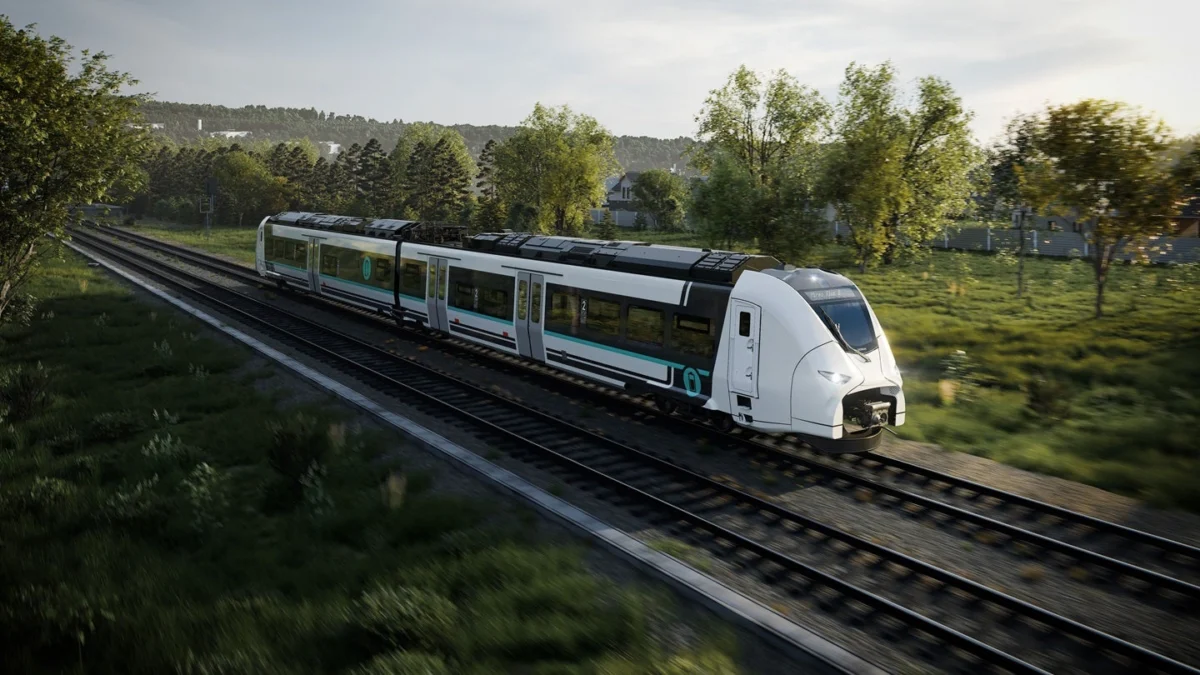
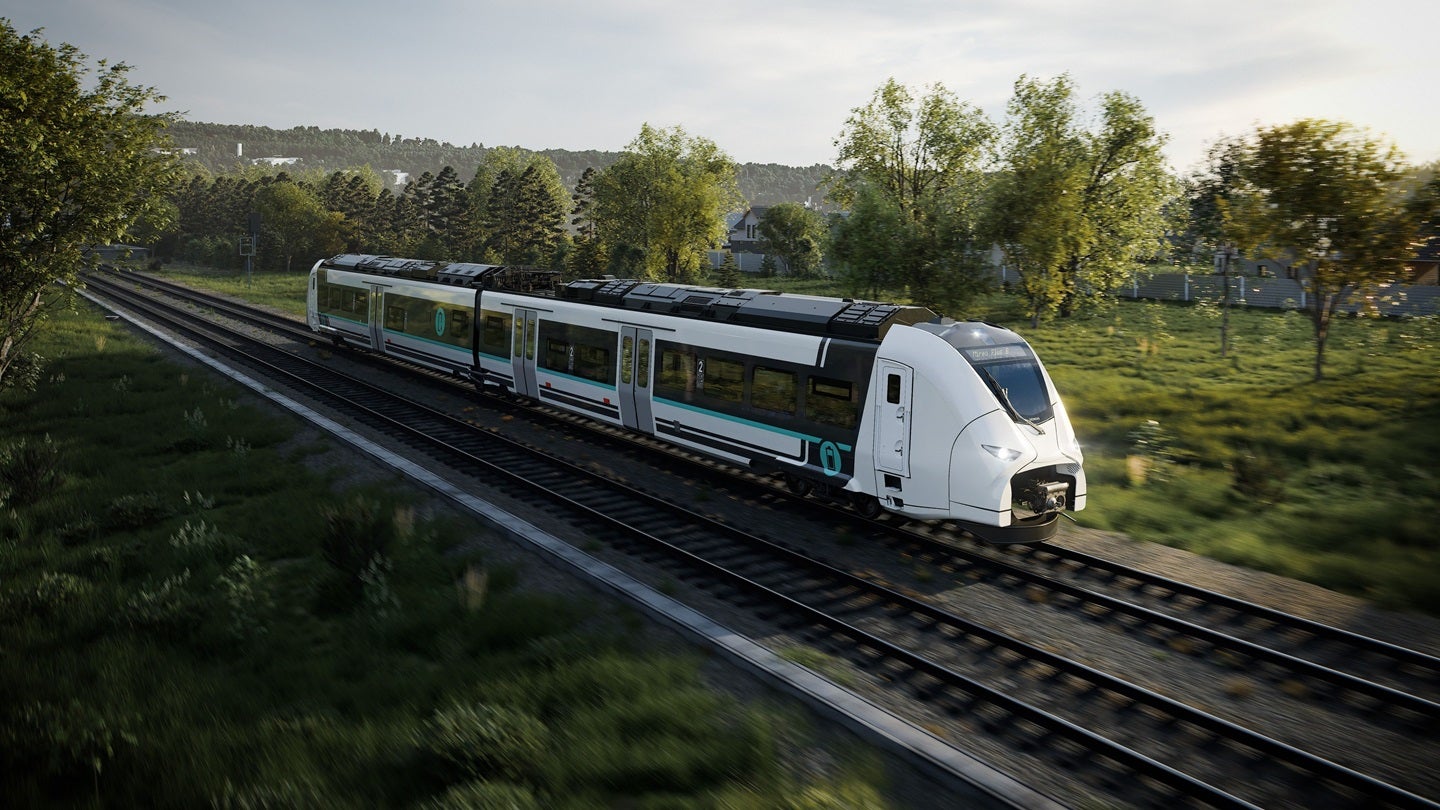
In a landmark move for European sustainable transit, the Zweckverband Nahverkehr Westfalen-Lippe (NWL) has officially commissioned Siemens Mobility to supply 61 cutting-edge Mireo Plus B battery-electric multiple units (BEMUs). This massive procurement, which will see the Northern Westphalia Network (NNW) transition away from its reliance on traditional diesel railcars, marks the establishment of Germany’s second-largest battery-powered train fleet. The initiative serves as a cornerstone of the regional government’s broader strategy to achieve deep decarbonization in the East Westphalia-Lippe and Münsterland regions.
Main Facts: The Transition to Emission-Free Mobility
The agreement between NWL and Siemens Mobility represents a pivotal shift in how regional rail services are delivered in North Rhine-Westphalia. The Mireo Plus B trains are highly specialized, dual-mode vehicles designed to navigate the diverse infrastructure of the German rail network.
The primary technological advantage of the Mireo Plus B is its adaptability. The units are equipped with high-performance battery systems that recharge automatically when operating on electrified track sections. Once the train reaches a stretch of track lacking overhead catenary lines, the batteries seamlessly discharge to provide continuous, emissions-free propulsion. This "bridge" technology allows for the electrification of lines that were previously considered too costly or geographically impractical to upgrade with traditional overhead infrastructure.
With an operational mandate spanning at least 15 years, the fleet is expected to cover an annual service volume of approximately 7.1 million train kilometers. By phasing out diesel combustion, the project will significantly reduce noise pollution and greenhouse gas emissions, directly contributing to Germany’s national climate protection targets.
Chronology: From Planning to Deployment
The path to this procurement has been a multi-year effort involving careful financial structuring and technical validation.
- Strategic Planning Phase: For several years, NWL has been evaluating the long-term sustainability of the Northern Westphalia Network. Faced with aging diesel rolling stock and increasing public demand for greener transit, the authority identified battery-electric technology as the most viable path forward.
- The Procurement Agreement: After a rigorous competitive bidding process, Siemens Mobility was selected to provide the 61 train sets, ensuring a standardized, reliable, and high-tech solution.
- The Leasing Model: A critical component of this project’s feasibility is the involvement of Rock Rail NnW. By utilizing a sophisticated leasing arrangement, the financial burden of the upfront capital expenditure is distributed, allowing NWL to focus on operational excellence while benefiting from private-sector financing expertise.
- The Horizon: While the order has been finalized, the rollout is scheduled for December 2029. This lead time accounts for the complex manufacturing, testing, and certification processes required for modern, high-speed regional rail infrastructure in the EU.
Supporting Data: Technical Specifications and Design
The Mireo Plus B is not merely a "green" upgrade; it is a significant improvement in passenger experience and operational efficiency. Siemens Mobility has engineered the fleet with a focus on modularity and user-centric design.
Vehicle Architecture
Each of the 61 trains consists of a two-car configuration, with each carriage measuring 25 meters in length. To ensure high-frequency operations, the carriages feature four doors per side, drastically reducing dwell times at stations and allowing for rapid boarding and disembarkation.
Sustainability and Efficiency
The trains are built with environmental circularity in mind, boasting a recyclability rate of over 90%. This focus on material efficiency is matched by operational energy savings. The vehicles utilize sophisticated regenerative braking technology, which recovers kinetic energy during deceleration and channels it back into the battery system, further extending the operational range between charges.
Passenger Amenities
In the modern era of rail travel, passenger comfort is paramount to securing high ridership. The new fleet will be equipped with:
- Connectivity: Full Wi-Fi coverage, standard power outlets, and USB ports at every seat.
- Interior Comfort: Quiet cabins, improved lighting, and climate-controlled environments.
- Accessibility: Step-free access across all services, ensuring inclusivity for all travelers.
- Capacity: Each train is designed to accommodate two wheelchair users and up to 18 bicycles, acknowledging the shift toward multimodal commuting.
Official Responses: Stakeholder Perspectives
The scale of the investment has drawn praise from both the industrial and public sectors.
Michael Peter, CEO of Siemens Mobility, expressed pride in the company’s role in the transition: "We are delighted to be driving forward the decarbonization of rail transport in Westphalia with our innovative Mireo Plus B battery trains. The order underscores our leading role in alternative drive systems and demonstrates how we create sustainable solutions with state-of-the-art technology."
Christiane Auffermann, Managing Director of NWL, emphasized the importance of the technology for rural connectivity: "Locally emission-free, alternatively powered vehicles are the future of local rail transport. Especially in rural regions like Westphalia-Lippe, battery-powered trains offer ideal technological prerequisites to bridge sections of track without existing overhead lines in a climate-friendly manner. With the deployment of the 61 Siemens vehicles, the second-largest BEMU fleet in Germany will operate in the NWL area—setting new standards for sustainability in regional transport."
Mark Swindell, CEO of Rock Rail, highlighted the innovative financial framework underpinning the deal: "This project is an excellent example of how innovative financing models can accelerate the introduction of state-of-the-art, environmentally friendly rail technology. We are delighted about the partnership with NWL and Siemens Mobility and look forward to making a significant contribution as a long-term lessor to the sustainable transformation of regional transport in North Rhine-Westphalia."
Implications for Regional and National Rail Strategy
The introduction of the Mireo Plus B fleet has profound implications for the German rail landscape.
Decarbonization of the "Last Mile"
Many regional rail lines in Germany suffer from a "patchwork" electrification problem. Major hubs are often connected by electrified lines, but the secondary branches remain reliant on diesel. The deployment of 61 BEMUs effectively solves this problem, as these trains do not require full-track electrification to operate cleanly. This is a much faster and more cost-effective solution than upgrading thousands of kilometers of track with overhead wires.
Setting a National Benchmark
By creating the second-largest BEMU fleet in the country, NWL is establishing a blueprint for other regional authorities. The project demonstrates that public-private partnerships, when combined with cutting-edge battery technology, can overcome the historical trade-off between operational costs and environmental impact.
Economic and Social Impact
The transition will have a lasting effect on the quality of life in East Westphalia-Lippe and Münsterland. Reduced noise pollution, combined with modern, Wi-Fi-equipped, and accessible trains, is expected to increase the attractiveness of rail travel over private car ownership. This shift is essential for meeting the regional government’s goal of fostering sustainable economic development in rural and semi-urban areas.
The Road to 2029
As the project moves from the procurement phase into engineering and manufacturing, the focus will shift to infrastructure integration. The charging stations required to supplement the train’s on-board battery systems will need to be carefully placed to ensure optimal performance. The 2029 launch date represents a transformative moment for the NNW, turning a vision of "green" regional mobility into a daily reality for thousands of commuters.
In conclusion, the partnership between NWL, Siemens Mobility, and Rock Rail is more than just a procurement deal; it is a strategic investment in the future of European rail. By combining advanced battery-electric propulsion with a modern, passenger-focused design, the Northern Westphalia Network is positioning itself as a leader in the global movement toward sustainable, efficient, and inclusive public transportation.

