

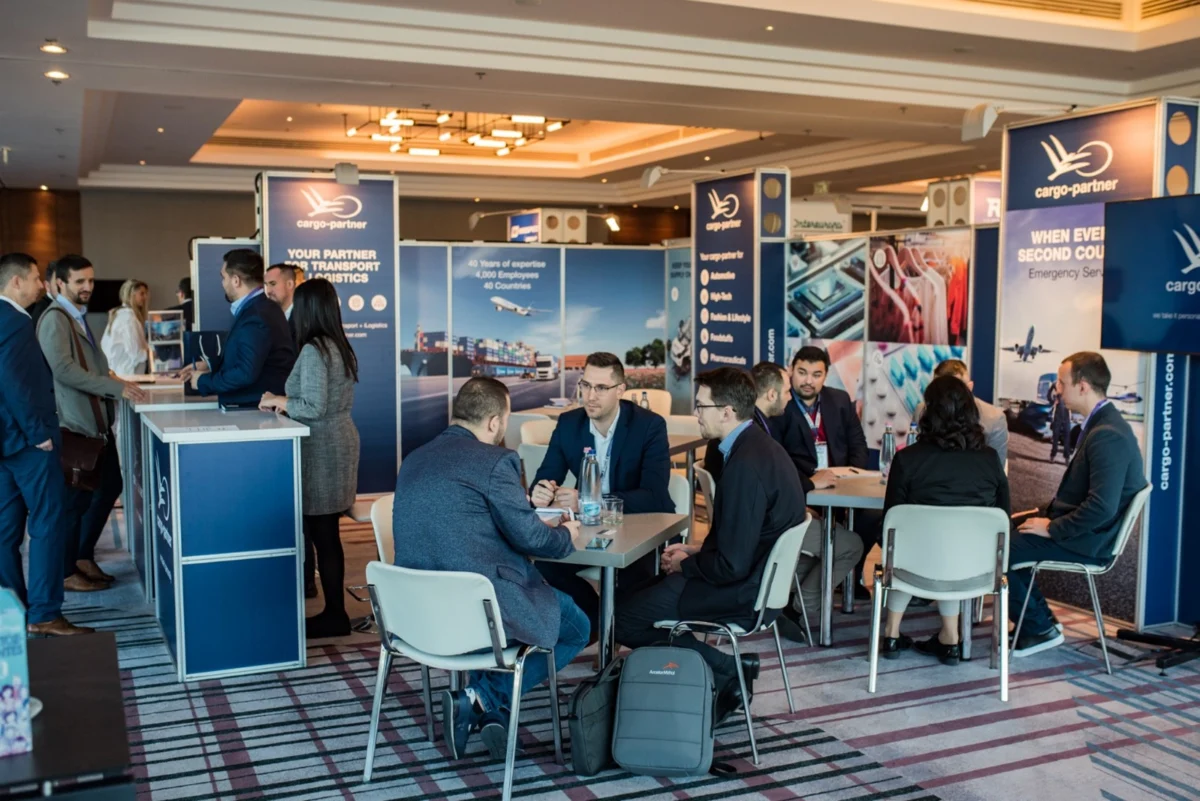
In an era defined by rapid technological disruption, shifting geopolitical landscapes, and an urgent mandate for environmental sustainability, the logistics and supply chain sector finds itself at a critical crossroads. As organizations strive to balance operational resilience with the pressure to innovate, the demand for a collaborative, high-level forum has never been greater.
The TRANSLOG Connect Congress has emerged as the definitive platform for addressing these challenges. By convening the brightest minds, industry pioneers, and strategic decision-makers from Central and Eastern Europe and beyond, the annual congress serves as more than just a conference—it is a crucible for the future of global trade and logistics.
Main Facts: The Pillars of TRANSLOG Connect
At its core, the TRANSLOG Connect Congress is designed to bridge the gap between theoretical innovation and practical application. Held annually in November, the event is meticulously curated to provide an immersive experience for senior-level executives and supply chain experts.
The congress operates on three primary pillars:
- Strategic Intelligence: Through keynote addresses and expert-led sessions, the event dissects the most pressing themes, including the integration of Artificial Intelligence (AI) in supply chain optimization, cybersecurity, and the transition to a circular, net-zero economy.
- Technological Showcase: The exhibition floor features an array of industry-leading service providers and technology innovators, offering attendees a firsthand look at the tools that are currently reshaping warehouse automation, logistics software, and freight management.
- High-Value Networking: Perhaps the most significant differentiator is the congress’s invitation-based model. By ensuring that attendees consist of top-tier decision-makers, the event facilitates meaningful, peer-to-peer interactions that often translate into long-term strategic partnerships.
A Chronology of Progress: From Concept to Industry Milestone
The evolution of the TRANSLOG Connect Congress reflects the evolution of the logistics sector itself. Since its inception, the congress has transitioned from a regional gathering into a prestigious international platform.
The Formative Years
In its early iterations, the congress focused primarily on the challenges of regional integration within Central and Eastern Europe (CEE). As the CEE region grew into a vital logistics hub—connecting Western European markets with emerging opportunities in the East—the congress expanded its scope.
The Pivot to Digital and Sustainable Transformation
Over the past five years, the agenda has shifted significantly. Following the global supply chain disruptions of the early 2020s, the focus moved toward "Resilience as a Strategy." The XII. Congress, for instance, marked a turning point where sustainability moved from a peripheral concern to a central operational mandate. Keynotes from industry giants, such as the presentation by Stefan Putzlocher of Mercedes-Benz AG regarding the conversion of global warehouses to zero-emission facilities, highlighted this shift in priorities.

Looking Ahead: The 2024 Edition
As preparations for the November 19-20, 2024, gathering at the Budapest Marriott Hotel intensify, the focus has pivoted toward the "next frontier." With the acceleration of AI adoption and the hardening of cybersecurity requirements, this year’s congress aims to provide actionable roadmaps for professionals tasked with navigating this increasingly complex landscape.
Supporting Data: Addressing the Modern Supply Chain Crisis
The logistics industry currently faces a "trilemma": the need to reduce costs, increase speed, and ensure absolute sustainability. Data presented at previous congresses highlights the severity of these pressures:
- Sustainability Imperatives: Industry data suggests that scope 3 emissions—those occurring in the supply chain—account for over 70% of a typical company’s carbon footprint. The TRANSLOG sessions specifically address how to mitigate these impacts through optimized route planning and facility electrification.
- The AI Revolution: While AI is often discussed in abstract terms, the congress provides concrete use cases. Panelists have demonstrated how predictive analytics can reduce stock-out risks by up to 30% and improve forecasting accuracy, providing a clear ROI for early adopters.
- Resilience Metrics: According to discussions held by industry leaders like Dr. Ilija Coric (Beiersdorf) and representatives from Howden and Agroveco, the "just-in-time" model is being superseded by "just-in-case" planning. The data underscores a shift toward multi-modal transport and diversified supplier bases as essential insurance policies against global volatility.
Official Perspectives: Voices from the Frontline
The value of the TRANSLOG Connect Congress is best illustrated by the caliber of its participants. The event has become a megaphone for the industry’s most respected leaders.
The Sustainability Mandate
Stefan Putzlocher, Head of Global Warehouse & Facility Planning at Mercedes-Benz AG, has emphasized that sustainability is no longer a corporate social responsibility (CSR) tick-box but an operational necessity. "The route to net-zero is not merely a regulatory requirement; it is a fundamental redesign of our global footprint," Putzlocher noted during his address. His sessions focus on the technical challenges of retrofitting legacy infrastructure to meet modern green energy standards.
The Collaboration Paradigm
In a panel discussion concerning supply chain efficiency, experts such as Hanna Hetényi (Category Lead Freight & Logistics, Howden) and Jorge Guillén Rangil (Export Director, Agroveco) highlighted that the greatest risk to a modern supply chain is "siloed decision-making." The consensus among these leaders is that the future of logistics relies on transparency and deep integration between carriers, shippers, and technology providers. The networking sessions at the congress are specifically designed to break down these silos by forcing cross-functional dialogue.
Implications for the Future: Why Attendance is a Strategic Necessity
The implications of failing to adapt to the current logistics environment are stark. Companies that ignore digital transformation or fail to invest in supply chain visibility risk being priced out of the market.
Enhancing Operational Competitiveness
The primary implication of attending the TRANSLOG Connect Congress is the ability to bypass the "trial and error" phase of technology adoption. By learning from the case studies presented, attendees can identify which innovations—from autonomous mobile robots (AMRs) to advanced blockchain-based tracking systems—are ready for deployment and which are still in the experimental stage.

Building Strategic Alliances
In the logistics sector, reliability is the ultimate currency. The one-on-one meetings facilitated by the congress are instrumental in vetting potential partners. By engaging with pre-qualified service providers in a structured environment, attendees can compress months of procurement research into a few days of high-quality, face-to-face interaction.
Staying Ahead of the Regulatory Curve
With the European Union and global bodies tightening environmental and data security regulations, the congress provides a critical briefing ground. Attendees gain an understanding of how these legislative shifts will impact their bottom line, allowing them to adjust their strategic plans long before the new mandates come into full effect.
Conclusion: A Call to Action for Industry Leaders
The TRANSLOG Connect Congress is more than an event; it is an essential resource for those who recognize that the supply chain is the backbone of the global economy. As we look toward the 2024 edition in Budapest, the mission remains the same: to equip professionals with the knowledge, the network, and the foresight to thrive in an era of unprecedented change.
Whether you are a logistics director, a supply chain strategist, or a technology provider looking to shape the future of the industry, the insights gained at the congress are designed to translate directly into operational success.
Mark your calendars for the 19-20 November 2024 at the Budapest Marriott Hotel.
To ensure you are part of the conversation, follow the official channels:
- LinkedIn: TRANSLOG Connect Congress
- Twitter/X: @TRANSLOGConnect
- Insights Archive: YouTube Playlist
The future of logistics is being written in real-time. Do not miss the opportunity to contribute to the narrative.

