
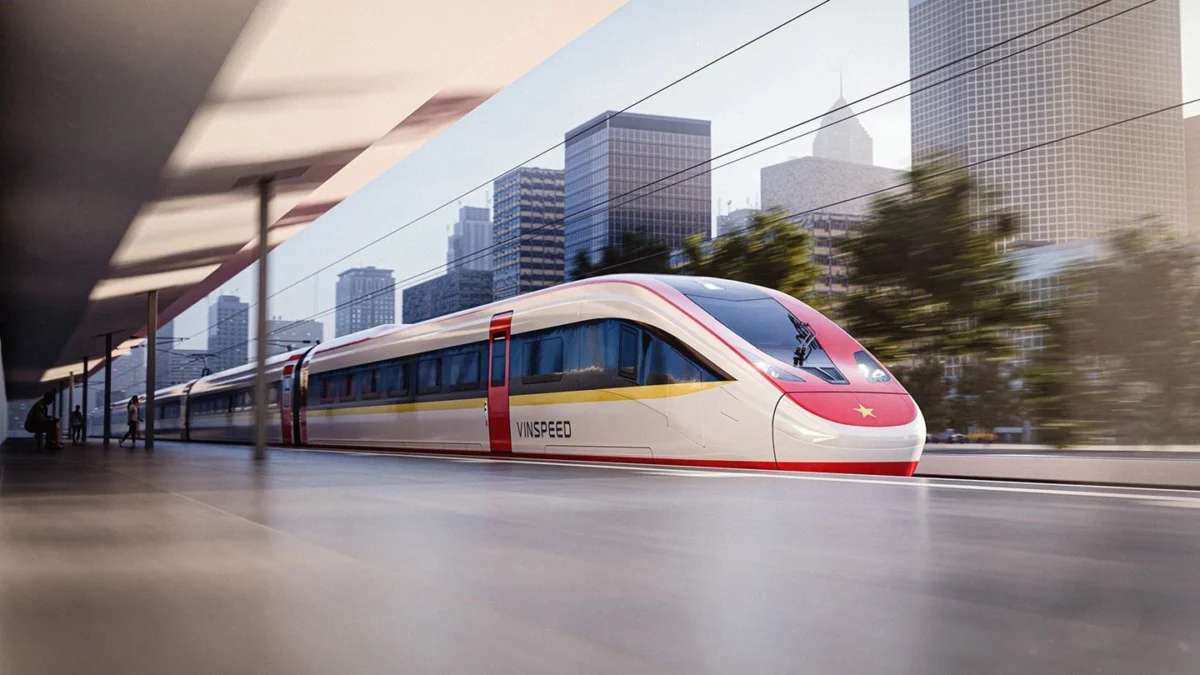
In a transformative move for Southeast Asia’s transportation landscape, VinSpeed—a subsidiary of the Vietnamese conglomerate Vingroup—has officially entered into a strategic partnership with global industrial powerhouse Siemens Mobility. The collaboration, formalized through a comprehensive framework agreement, signals the beginning of a high-speed rail revolution in Vietnam, aimed at modernizing the nation’s transit infrastructure and fostering long-term socioeconomic growth.
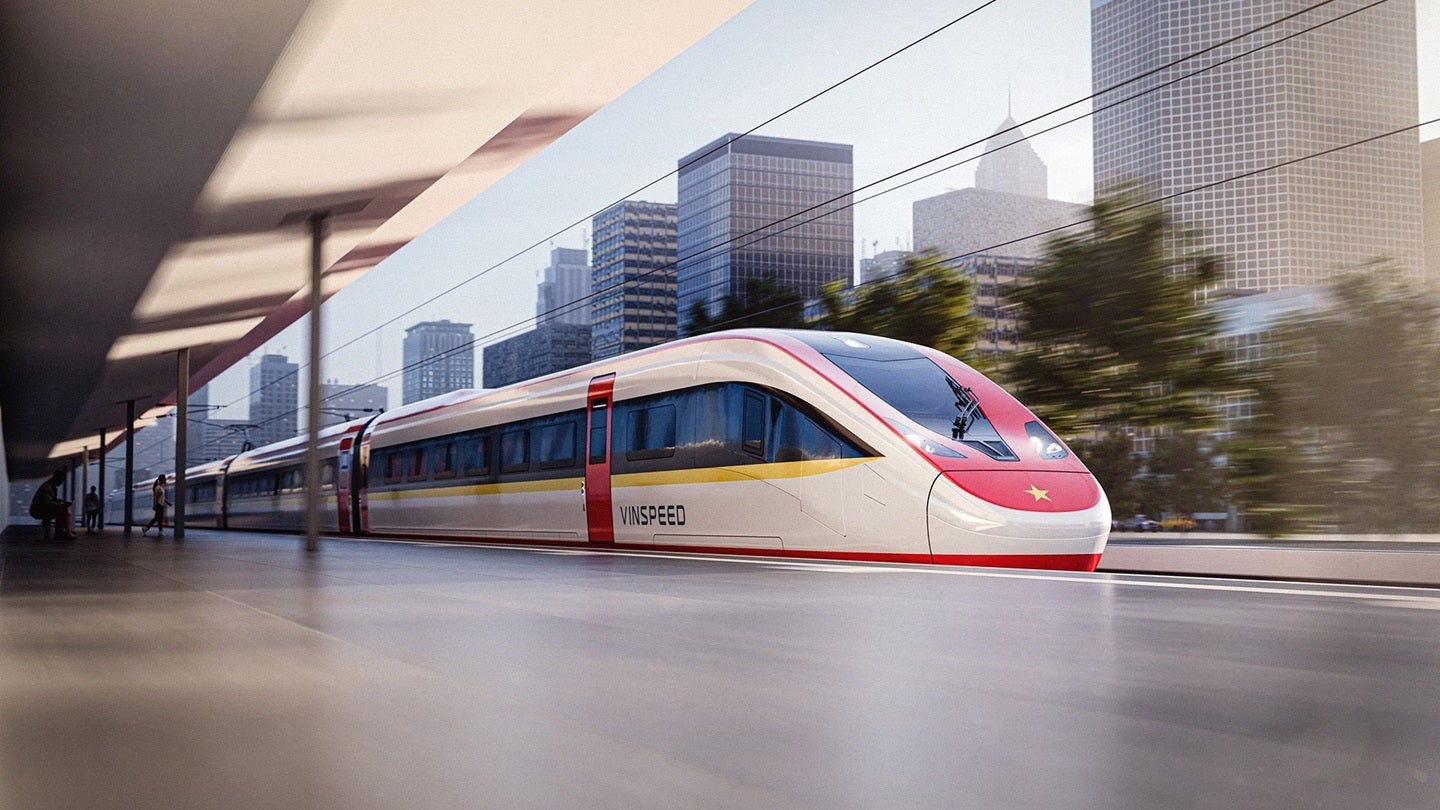
The partnership tasks Siemens Mobility with serving as the primary technology partner for the design, supply, and integration of cutting-edge high-speed rail systems. Central to this initiative is the deployment of the Velaro Novo train platform, an engineering marvel capable of reaching speeds of 350 km/h, which will serve as the backbone for two pioneering rail corridors.
The Scope of the Project: Connecting Key Economic Hubs
The agreement focuses on the development of two specific high-speed rail lines, designed to bridge the gap between major urban centers and emerging economic zones.
The Ha Noi–Quang Ninh Route
Spanning approximately 121 kilometers, this route is set to include four strategically placed stations. By linking the capital city of Hanoi with the coastal province of Quang Ninh—home to the world-renowned Ha Long Bay—the project aims to drastically reduce travel time, boost domestic tourism, and facilitate the movement of goods and labor between the inland industrial heartland and the coastal economic zones.
The Ben Thanh–Can Gio Route
This 54-kilometer line, featuring two stations, represents a critical urban development project. Designed to integrate with the broader transit network in the Ho Chi Minh City metropolitan area, this line is intended to alleviate traffic congestion, improve connectivity to the Can Gio district, and support the sustainable expansion of the southern economic hub.
These projects will be built to international standards, utilizing state-of-the-art railway technology, including advanced signalling, electrification, and telecommunications systems to ensure safety, efficiency, and reliability.
Chronology of Progress: From Initial Vision to Strategic Alliance
The partnership between VinSpeed and Siemens Mobility is the result of a deliberate, multi-year progression toward modernizing Vietnam’s mobility sector.
- 1993: Establishing a Foothold: Siemens began its operations in Vietnam, laying the groundwork for long-term collaboration in the energy, healthcare, and transportation sectors. Over three decades, the company established a robust presence in Hanoi, Da Nang, and Ho Chi Minh City.
- 2024: Strategic Planning: As Vietnam’s economy continued its rapid ascent, the government and private entities like Vingroup identified high-speed rail as a critical pillar for national development. VinSpeed was formed under the Vingroup umbrella to focus specifically on the complex requirements of rail infrastructure investment.
- Late 2025: The Signing Ceremony: The formalization of the partnership and framework agreement marked the culmination of intensive negotiations. Both parties committed to a long-term roadmap that includes future implementation contracts and ongoing technical collaboration.
- 2026 and Beyond: Execution Phase: The partnership enters the design and integration phase, with both companies working in tandem to ensure the technological specifications meet both the geographical demands of the Vietnamese terrain and international safety regulations.
Supporting Data: The Power of the Velaro Novo
The selection of the Velaro Novo train platform is a testament to the project’s focus on sustainability and high-performance engineering. Siemens Mobility has positioned this model as a flagship for modern rail travel.
Technical Superiority
The Velaro Novo offers several critical advantages over traditional rolling stock:
- Speed and Efficiency: Capable of sustained speeds up to 350 km/h, the train reduces travel times significantly, providing a competitive alternative to domestic air travel.
- Energy Consumption: Through advanced aerodynamic design and weight reduction, the Velaro Novo consumes approximately 30% less energy than its predecessors. In an era of increasing environmental awareness, this efficiency is a vital metric for national infrastructure projects.
- Adaptive Engineering: One of the most significant features of the Velaro Novo is its design adaptability. The platform is optimized to handle steep gradients and varied topographical landscapes, making it uniquely suited for the diverse and challenging geography of Vietnam.
- Passenger Experience: A wider carbody design allows for increased passenger capacity without compromising on comfort. This is critical for high-density commuter routes where passenger throughput is a primary determinant of economic viability.
Safety and Integration
Beyond the train itself, the systems being integrated are world-class. The inclusion of the European Train Control System (ETCS) Level 2 signalling ensures that train operations are governed by the highest safety standards. This system allows for continuous communication between the track and the train, enabling automatic train operation (ATO) which minimizes human error, optimizes speed profiles, and ensures maximum operational reliability.
Official Perspectives: A Synergy of Expertise
The leadership of both organizations has expressed strong confidence in the viability and necessity of this partnership.
VinSpeed’s Vision
Pham Thieu Hoa, CEO of VinSpeed, emphasized the strategic importance of this alliance. "The strategic cooperation with Siemens Mobility marks an important step in VinSpeed’s roadmap for developing modern transport infrastructure projects in Vietnam," he stated.
Hoa highlighted the "synergistic effect" of the partnership, noting that the combination of VinSpeed’s project execution capabilities and deep understanding of the domestic market, paired with Siemens Mobility’s global technical expertise, creates a formidable foundation. "Our goal is to contribute to socioeconomic development and improve the quality of life for the Vietnamese people through international-standard rail infrastructure," he added.
Siemens Mobility’s Commitment
Michael Peter, CEO of Siemens Mobility, echoed these sentiments, highlighting the prestige of the collaboration. "We are proud that the global frontrunner VinSpeed has selected Siemens Mobility to deliver Vietnam’s first high-speed rail lines," Peter noted.
He further underscored the importance of the turnkey expertise provided by Siemens. "This confidence in our turnkey expertise and technology underscores Siemens’ position as the partner of choice for ambitious mobility projects worldwide. We are committed to ensuring that these rail lines set a new benchmark for excellence in the region."
Implications for Vietnam: A New Era of Mobility
The implications of this partnership extend far beyond the tracks themselves. For Vietnam, the successful implementation of these high-speed lines will likely catalyze a series of broader economic and social shifts.
Economic Transformation
The development of high-speed rail is a known driver of regional economic integration. By reducing the "distance" between economic hubs, the project will allow for a more fluid labor market and enhanced trade efficiency. The creation of a modern rail network will also provide a massive boost to the construction, engineering, and maintenance sectors in Vietnam, creating thousands of high-skilled jobs.
Sustainability and the "Green" Transition
As a nation heavily focused on industrialization, Vietnam faces the challenge of managing carbon emissions from transport. High-speed rail is one of the most effective tools for decarbonizing long-distance travel. By shifting passengers from internal combustion engine vehicles and short-haul flights to electrified rail, Vietnam will significantly reduce its carbon footprint, aligning with global climate goals.
Technology Transfer and Capacity Building
The long-term nature of this agreement implies more than just the supply of hardware; it suggests a significant transfer of knowledge. Through the integration phase and the potential for long-term maintenance services, local Vietnamese engineers and technical personnel will gain exposure to Siemens’ global best practices in railway maintenance, signalling, and systems integration. This capacity building is essential for Vietnam to eventually develop its own indigenous expertise in high-speed rail management.
The Maintenance Imperative
A crucial element of the partnership is Siemens’ exploration of advanced maintenance services. High-speed rail infrastructure requires rigorous, real-time monitoring and proactive maintenance to ensure system availability. By leveraging digital twins, IoT-enabled sensors, and predictive maintenance software, Siemens can ensure that the infrastructure remains operational with minimal downtime—a service that will be vital in the initial years of the network’s operation.
Conclusion: A Benchmark for the Region
The partnership between VinSpeed and Siemens Mobility is a landmark development that positions Vietnam as a serious player in the global high-speed rail arena. By selecting a proven, world-leading technology partner and prioritizing sustainable, high-capacity infrastructure, the project serves as a model for other emerging economies in Southeast Asia.
As the implementation phase begins, all eyes will be on the construction of the Hanoi-Quang Ninh and Ben Thanh-Can Gio routes. Should these projects succeed in meeting their ambitious performance and safety targets, they will likely serve as the blueprint for an even larger, nationwide high-speed rail network, effectively reshaping the future of mobility in Vietnam for generations to come.

