

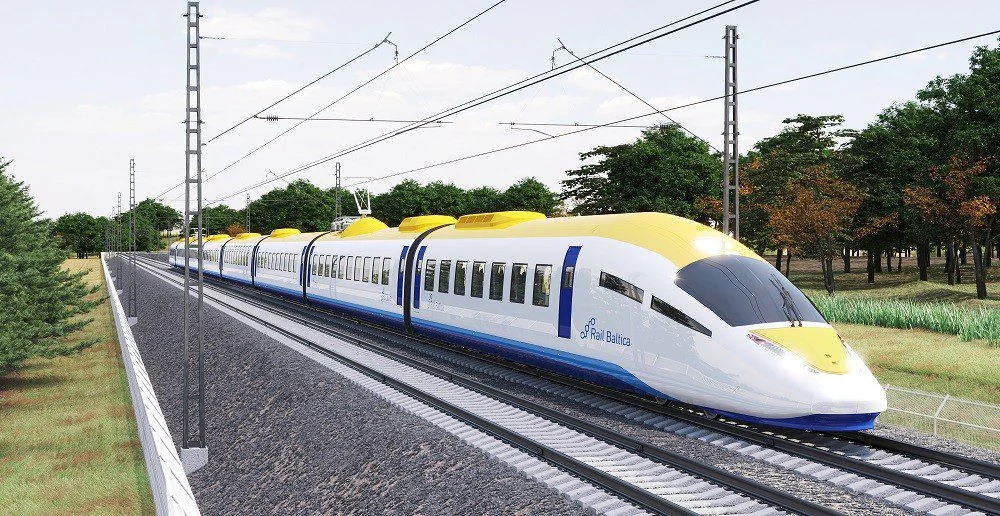
By Industry Correspondent
In a major development for the Trans-European Transport Network (TEN-T), RB Rail AS—the joint venture responsible for the implementation of the Rail Baltica project—has officially launched a new procurement procedure for design consultancy services. This tender marks a critical milestone in the detailed technical development of the electrification subsystem for the high-speed rail line across Latvia and Lithuania. As the project shifts from planning to intensive technical realization, this procurement aims to secure the high-level engineering expertise necessary to integrate a state-of-the-art power supply system into one of Europe’s most ambitious infrastructure endeavors.
Main Facts: A Dual-Lot Procurement Strategy
The newly announced tender is structured to maximize technical oversight while ensuring competitive participation. RB Rail AS has divided the procurement into two distinct lots: one dedicated to the Latvian section of the network and the second to the Lithuanian section. This strategic approach allows interested design firms to bid for a specific country or to submit a comprehensive proposal covering both, providing flexibility for multinational engineering conglomerates and regional specialists alike.
The primary objective of this contract is the procurement of independent design expertise. This consultancy role will be instrumental in supporting the development of the energy subsystem, ensuring that the electrification solutions—ranging from traction substations to contact line infrastructure—meet rigorous international safety, efficiency, and quality standards.
The deadline for submissions is strictly set for May 7, 2026, at 11:00 a.m. Riga time. Bids must be submitted exclusively through the official E-Tenders electronic procurement system. RB Rail AS has clarified that any proposals submitted through alternative channels, such as email or physical mail, will be summarily rejected, underscoring the project’s commitment to digital transparency and procedural integrity.
Chronology: The Evolution of Rail Baltica’s Energy Strategy
The road to this electrification tender has been paved by years of strategic planning and cross-border cooperation. To understand the significance of this phase, one must look at the project’s timeline:
- 2017–2019: Feasibility and Preliminary Design. Initial studies established the necessity of a fully electrified, high-speed line. Early planning focused on the alignment and the integration of the Baltic states into the European standard gauge network.
- 2020–2022: Technical Specifications. The project transitioned into the definition of technical requirements for the infrastructure. During this period, the decision to adopt a 25kV AC electrification system was solidified to ensure interoperability with the wider European rail network.
- 2023–2025: Enabling Works and Mainline Construction. Significant progress was made on earthworks and bridge construction across the three Baltic states. Simultaneously, the supply chain for materials, such as sleepers and rails, was solidified.
- 2026: The Electrification Focus. With construction well underway, 2026 marks the year of the energy subsystem. By launching this tender, RB Rail is shifting its focus toward the complex integration of power grids and rail technology, essential for the operationalization of high-speed train sets.
Supporting Data: Engineering the Power of a Continent
The electrification of Rail Baltica is not merely a task of laying wire; it is a complex engineering feat designed to support trains capable of reaching speeds of up to 250 km/h. The technical scope of the current tender involves several critical infrastructure components:
1. Traction Substations (TSS)
The project requires the design of high-voltage traction substations capable of converting energy from the national grids of Latvia and Lithuania into the specific voltage requirements of the rail line. These substations serve as the "heart" of the system, ensuring a constant, stable flow of electricity.
2. High-Voltage Infrastructure
Integration with the national energy networks is a priority. The design consultants will be tasked with ensuring that the connection points between the public utility grids and the rail infrastructure are robust enough to handle the intermittent, high-intensity energy demands of a high-speed railway.
3. Contact Line Infrastructure (OCS)
The Overhead Contact System (OCS) must be designed to withstand extreme weather conditions, including the harsh winters common to the Baltic region. The tender calls for expertise in selecting materials and configurations that minimize wear and tear while maximizing energy efficiency.
4. Digital Integration and Smart Grids
As modern rail evolves, the electrification system must be "smart." The consultants will be expected to integrate monitoring systems that allow for real-time energy management, potentially reducing operational costs and ensuring predictive maintenance.

Official Responses and Strategic Intent
In statements accompanying the tender announcement, representatives from RB Rail AS emphasized that electrification remains the project’s central priority for the current fiscal cycle. "Delivering robust, technically sound, and future-proof electrification solutions is non-negotiable," noted a project spokesperson.
The company has specifically reached out to local design firms, encouraging them to participate in the bidding process. By fostering the involvement of local engineering talent, RB Rail hopes to build long-term domestic capacity. This local integration is viewed as a way to ensure that the knowledge gained during the construction of Rail Baltica remains within the Baltic states, ultimately supporting the professional development of the regional engineering sector.
The move to seek "independent expertise" is also a response to previous feedback from stakeholders who requested stronger third-party verification of technical designs. By outsourcing this consultancy, RB Rail aims to provide a layer of quality assurance that mitigates risk and ensures that the infrastructure will operate reliably for its projected 50-year lifespan.
Implications: Connecting the Baltic Rim to Europe
The impact of this procurement extends far beyond the construction of power lines. Rail Baltica is a core component of the TEN-T, the European Union’s flagship project to connect the continent.
Economic Growth and Connectivity
Once electrified and fully operational, Rail Baltica will significantly reduce travel times between Tallinn, Riga, Vilnius, and Warsaw. By connecting these hubs, the project aims to stimulate regional economic growth by facilitating faster movement of both passengers and freight. The electrification phase is the final hurdle in transforming this from a construction project into a transport corridor.
Strengthening Regional Security
In the current geopolitical climate, the significance of the project has grown. A high-speed, modern rail connection that is fully interoperable with the rest of the EU is viewed as a strategic asset for the Baltic states. It strengthens the physical integration of the region with its European allies, enhancing both civil and logistical security.
Environmental Sustainability
The shift from fossil-fuel-reliant transport to electric high-speed rail is a key pillar of the European Green Deal. By utilizing electricity from the increasingly green power grids of Latvia and Lithuania, Rail Baltica will significantly lower the carbon footprint of regional transport. The design consultancy will be tasked with optimizing energy efficiency, ensuring that the system is as sustainable as it is fast.
A New Era for Baltic Engineering
For the engineering firms in Latvia and Lithuania, this tender represents a unique opportunity. Working on a project of this magnitude—one that adheres to the highest European technical standards—will provide local companies with a portfolio piece that positions them to compete for future large-scale infrastructure projects across the continent.
Conclusion: The Path Ahead
The launch of the design consultancy tender for the Rail Baltica energy subsystem is a decisive step toward the operational maturity of the project. As the deadline of May 7, 2026, approaches, the eyes of the European rail industry will be on Riga and Vilnius. The selected consultants will face the formidable task of bridging the gap between the project’s ambitious vision and the physical realities of the Baltic landscape.
By prioritizing technical excellence, international interoperability, and local capacity building, RB Rail AS is ensuring that Rail Baltica will not only be a physical link between nations but a testament to modern engineering. The success of this electrification phase will be the final guarantee that when the first high-speed train pulls out of a Baltic station, it does so with the power, precision, and efficiency required for the 21st century.
As the Baltic states continue their journey toward full integration with the European rail network, the technical rigor applied today will serve as the foundation for the prosperity and connectivity of tomorrow.

