

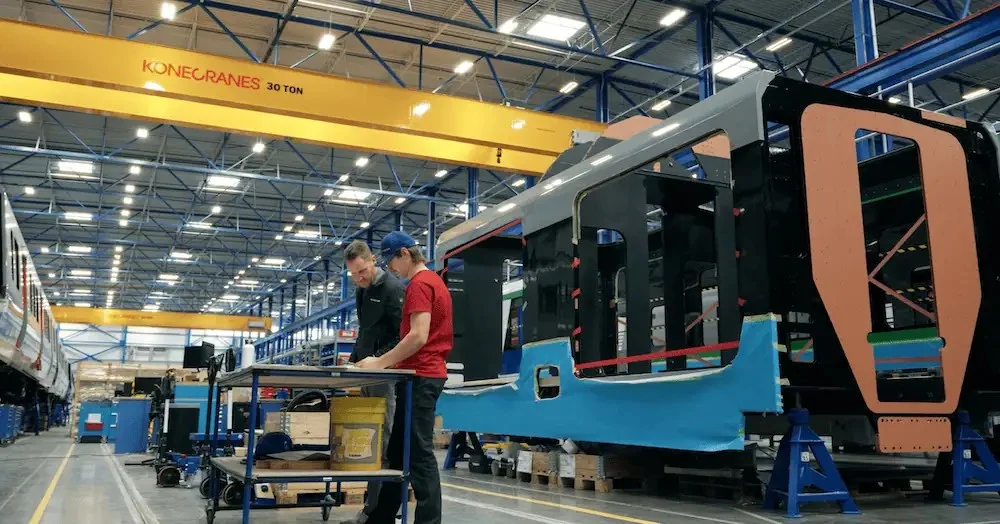
AUSTIN, TEXAS – July 26, 2026 – In a pivotal step towards revolutionizing urban transit, the Austin Transit Partnership (ATP) has officially selected Swiss manufacturer Stadler to deliver 21 state-of-the-art Citylink light rail vehicles (LRVs) for the capital of Texas. This landmark agreement, potentially valued at up to USD 352 million, marks a significant milestone in Austin’s ambitious plan to establish its first modern rail transit system, promising to redefine mobility for one of America’s fastest-growing cities.
The selection of Stadler, a globally recognized leader in rail vehicle manufacturing, underscores ATP’s commitment to bringing innovative, high-capacity, and accessible public transportation to Austin. The Citylink LRVs are poised to become the backbone of a new network designed to alleviate congestion, connect key urban centers, and support Austin’s burgeoning population and dynamic economy. This strategic partnership not only secures advanced rolling stock but also sets the stage for the coordinated development of an entire transit ecosystem, from infrastructure to passenger experience, with construction slated to commence in 2027.
A Landmark Agreement for Austin’s Future
The decision to award the contract to Stadler followed an exhaustive and highly competitive bidding process, where the Swiss firm distinguished itself across multiple critical evaluation criteria. ATP, the dedicated entity spearheading the development of Austin’s comprehensive transit network, meticulously assessed bidders based on their extensive experience, the qualifications of their proposed teams, the technical superiority of their solutions, and the innovative features they brought to the table. Stadler emerged with the highest score, cementing its position as the ideal partner for Austin’s transformative light rail initiative.
This contract transcends a mere procurement deal; it represents a foundational alliance. It encompasses the intricate coordination of design, rigorous vehicle development, precise manufacturing, comprehensive testing, and the ultimate delivery of the 21 cutting-edge light rail vehicles. By securing the manufacturer early in the project lifecycle, ATP gains a crucial advantage: the ability to seamlessly integrate the design and specifications of the LRVs with the evolving infrastructure, planned stations, and the future maintenance depot. This proactive approach is expected to optimize efficiency, mitigate potential conflicts, and ensure a harmonious, fully integrated system from day one.
The Selection Process: A Rigorous Evaluation
The Austin Transit Partnership’s commitment to delivering a world-class transit system was evident in the thoroughness of its selection process. Recognizing the long-term implications of this investment, ATP embarked on a competitive bidding journey designed to identify a partner capable of meeting Austin’s unique demands and future aspirations. The evaluation framework was multi-faceted, scrutinizing not only the technical prowess of potential manufacturers but also their track record, their capacity for innovation, and their understanding of the specific challenges and opportunities presented by the Austin market.
Stadler’s bid stood out due to its comprehensive approach and proven expertise. The company’s global reputation for engineering excellence, coupled with its robust North American presence, provided a compelling case. Evaluators were particularly impressed by Stadler’s experience in delivering complex rail projects worldwide, ensuring that the Austin Light Rail system would benefit from international best practices and a deep reservoir of technical knowledge. The qualifications of Stadler’s proposed team, encompassing experts in design, engineering, production, and project management, further reinforced confidence in their ability to execute the project with precision and efficiency. Ultimately, the technical solution presented by Stadler, centered around its versatile Citylink platform, and the innovative features proposed for the Austin LRVs, were key differentiators, promising a transit experience that is both reliable and forward-thinking.
Chronology: Laying the Tracks for Austin’s Transit Future
Project Genesis: Austin’s Transit Vision
Austin, Texas, has long grappled with the challenges inherent in rapid urban expansion. As a magnet for tech innovation, culture, and a burgeoning population, the city’s existing infrastructure, particularly its road network, has been increasingly strained. The concept of a modern, high-capacity transit system has been a topic of civic discussion and planning for decades, culminating in a critical moment in November 2020. That year, Austin voters overwhelmingly approved Proposition A, a transformative ballot measure that allocated significant funding to Project Connect, a comprehensive plan to expand and improve public transportation across the city. Proposition A established the Austin Transit Partnership (ATP) as the dedicated body to implement and oversee the development of this ambitious plan, including the crucial light rail component. This mandate empowered ATP to move forward with the detailed planning, design, and procurement necessary to bring the vision to fruition, transforming a long-held aspiration into a concrete development pathway.
Key Milestones Leading to Stadler’s Selection
The journey from voter approval to manufacturer selection has been a meticulously planned and executed process. Following its establishment, ATP immediately commenced detailed planning for the light rail system, conducting extensive studies on routes, ridership projections, environmental impacts, and financial models. The early phases involved significant community engagement, ensuring that the system’s design and implementation reflected the needs and aspirations of Austin residents. Identifying and securing a vehicle manufacturer was recognized as a critical early step. This decision was not merely about purchasing trains; it was about integrating vehicle specifications into the overall infrastructure design from the outset. By selecting Stadler well in advance of construction, ATP ensures that the tracks, stations, power systems, and maintenance facilities can be precisely tailored to the Citylink LRVs, avoiding costly retrofits or design compromises down the line. This proactive strategy allows for a more efficient and integrated project delivery, setting a robust foundation for the system’s longevity and operational excellence. The formal launch of the competitive bidding process for the LRVs was a significant milestone, leading directly to the comprehensive evaluation and ultimate selection of Stadler, marking a tangible progression from conceptual planning to physical realization.
Future Outlook: Construction and Operation

With the vehicle manufacturer now secured, the Austin Light Rail project is poised to enter its next critical phase. ATP plans to begin the physical construction of the system in 2027, marking a visible transformation of Austin’s urban landscape. The initial phase of the Austin Light Rail system is designed to be approximately 16 kilometers (nearly 10 miles) long, featuring 15 strategically located stations. This foundational network is engineered to connect key residential areas, employment centers, and cultural hubs, providing a viable alternative to single-occupancy vehicle travel. Once operational, the electric trains are projected to run at frequent intervals, typically every five to ten minutes for most of the day, ensuring convenience and reliability for commuters and casual riders alike. This high frequency is essential for a system aiming to shift significant ridership from private vehicles to public transit. Furthermore, the entire project has been conceived with an eye toward the future. The design incorporates inherent flexibility and scalability, allowing for seamless expansion as Austin’s population continues its robust growth trajectory and the demand for efficient, sustainable transportation evolves. This forward-thinking approach ensures that the light rail system will remain a relevant and effective solution for Austin’s mobility needs for decades to come.
Supporting Data: The Backbone of a Modern Transit System
The Citylink LRV: A New Benchmark for Urban Mobility
The 21 Citylink light rail vehicles to be supplied by Stadler are not just trains; they are a testament to modern urban mobility design, developed based on Stadler’s acclaimed Citylink platform. This modular family of trains is renowned for its adaptability and proven performance in various light rail and tram-train networks across the globe, including successful deployments like the one in South Wales. Each LRV is engineered to accommodate approximately 240 passengers, a significant capacity that includes both seated and standing room, making them ideal for managing peak hour surges and large crowds during special events.
A critical design feature for enhancing passenger flow and reducing dwell times at stations is the incorporation of multiple doors along the length of each unit. This allows for rapid boarding and alighting, crucial for maintaining tight schedules, particularly in a busy urban environment. Inside, the Citylink LRVs prioritize accessibility and comfort. The floor will be level across the vast majority of the vehicle, eliminating interior steps in the aisle. When combined with level platforms at stations, this configuration will provide direct, unimpeded access for passengers with limited mobility, including those using wheelchairs or other mobility aids. This commitment to universal design ensures that the system is truly inclusive.
Furthermore, the vehicles will feature dedicated spaces compliant with stringent U.S. accessibility standards, providing secure and comfortable areas for all passengers. Beyond accessibility, multifunctional areas will be integrated into the design, offering flexible space for bicycles, strollers, and luggage, catering to the diverse needs of Austin’s residents and visitors. The interior aesthetic is designed to be bright and spacious, with large windows maximizing natural light, higher ceilings creating an airy feel, and a thoughtful reduction of obstacles in the aisles to enhance passenger movement and comfort. These design choices collectively aim to create an inviting, efficient, and user-friendly transit experience.
Financial Framework: A Multi-Phase Investment
The financial architecture supporting the Austin Light Rail project reflects a prudent and strategic approach to managing a significant public investment. The contract with Stadler, while holding a potential maximum value of USD 352 million, is structured in phases. In its initial authorization, the ATP Board of Directors has approved work valued at USD 39 million. This crucial first phase of funding is sourced from existing revenues generated by the Proposition A program, demonstrating a tangible commitment to the project’s progression even as larger funding mechanisms are solidified.
Subsequent phases of the contract will necessitate additional approvals from the ATP Board, ensuring rigorous oversight and accountability throughout the project’s lifecycle. This phased funding model is strategically linked to the project’s ongoing efforts to secure substantial federal financial support. Public transit projects of this magnitude often rely on a combination of local, state, and federal funding, and Austin’s approach aligns with established practices for securing grants and loans from federal programs designed to support major infrastructure developments. This phased commitment allows ATP to manage financial risk, align expenditures with project milestones, and leverage federal partnerships to maximize the overall investment in Austin’s future.
Economic Impact and Local Presence
The selection of Stadler carries broader economic implications beyond the direct contract value. While Stadler is a Swiss manufacturer, its significant North American division, headquartered in Salt Lake City, Utah, ensures a local footprint and a commitment to the U.S. market. Stadler has a proven track record of delivering rolling stock for numerous projects across the United States, including prior engagements in Texas, demonstrating its familiarity with American operational standards and regulatory requirements. This domestic presence often translates into local job creation, supply chain partnerships, and a deeper engagement with the American manufacturing sector. The long-term nature of a project like Austin Light Rail will require ongoing maintenance, parts supply, and potential future expansions, fostering a sustained economic relationship that could benefit local economies through specialized labor and service contracts. By investing in a manufacturer with a strong U.S. base, Austin is not only acquiring advanced vehicles but also contributing to the broader economic vitality of the region and the nation.
Official Responses: Voices from the Partnership and the Manufacturer
Voices from the Partnership: ATP’s Vision for Innovation

Greg Canally, the Executive Director of the Austin Transit Partnership, articulated the profound excitement surrounding Stadler’s selection, emphasizing the innovative nature of the impending vehicles. "We are thrilled that Stadler is joining the Austin Light Rail team to design a vehicle with features never before offered in the United States," Canally stated. This declaration hints at a bold ambition to introduce cutting-edge technologies and passenger amenities that will set a new standard for light rail transit in American cities. It suggests a departure from conventional designs, possibly incorporating advanced digital interfaces, enhanced passenger information systems, or unique material compositions that prioritize sustainability and operational efficiency. Canally’s statement reflects ATP’s broader vision: to not only build a functional transit system but to create an exemplary one that embodies Austin’s progressive spirit and commitment to innovation. This partnership with Stadler is seen as a key enabler of that vision, promising a transit experience that is not just practical but also delightful and forward-looking for Austin’s residents.
Stadler’s Commitment: Setting New Standards
From Stadler’s perspective, the Austin contract represents a significant affirmation of their product capabilities and their strategic focus on the North American market. Martin Ritter, the head of Stadler’s North American division, echoed Canally’s sentiment regarding the pioneering aspects of the Citylink LRVs. "The Citylink platform sets a new benchmark for the next generation of light rail vehicles in the United States," Ritter affirmed. This statement highlights Stadler’s confidence in its Citylink platform’s modularity and advanced engineering, positioning it as a transformative solution for the evolving demands of urban transit in the U.S. Ritter’s comments underscore Stadler’s commitment to delivering not just vehicles, but a comprehensive mobility solution that prioritizes passenger experience, operational efficiency, and long-term sustainability. The company’s extensive experience, coupled with its robust production capabilities and a strong North American footprint, positions it as an ideal partner for a project as ambitious as Austin Light Rail, promising to deliver a system that is both reliable and future-proof.
Implications: Reshaping Austin and Beyond
Transforming Austin’s Urban Landscape
The introduction of Austin Light Rail, underpinned by Stadler’s Citylink LRVs, is poised to fundamentally transform the city’s urban landscape. For a city synonymous with rapid growth and persistent traffic congestion, the light rail system offers a critical antidote. It will significantly reduce the number of vehicles on the road, directly impacting traffic flow and decreasing commute times for thousands of residents. Beyond just alleviating congestion, the electric trains will contribute to a substantial improvement in air quality, aligning with Austin’s environmental goals and enhancing public health. The light rail system will also act as a powerful catalyst for smart urban development, encouraging transit-oriented growth around its 15 stations. This can lead to the creation of vibrant, walkable communities, fostering a more sustainable and equitable urban fabric. By enhancing connectivity between residential areas, employment hubs, entertainment districts, and the University of Texas campus, the light rail will make the city more accessible and livable for both current residents and future generations, reinforcing Austin’s reputation as a dynamic and progressive metropolis.
Community Engagement: Shaping the Future of Transit
A hallmark of the Austin Light Rail project is its proactive approach to community engagement, particularly concerning the design of the new LRVs. ATP has committed to consulting the local community on various aesthetic and functional aspects of the vehicles. Residents will have the unique opportunity to participate in choosing elements such as the color scheme, influencing the visual identity of the trains that will become an iconic part of Austin’s cityscape. Beyond aesthetics, input will be sought on practical features like seat configuration, ensuring optimal comfort and capacity. Crucially, the community will also provide feedback on accessibility features and the design of wayfinding and information systems, ensuring that the vehicles are intuitive and easy to navigate for all users. This deep level of public consultation is vital for fostering a sense of ownership and pride among residents, ensuring that the light rail system truly reflects the values and needs of the community it serves. This collaborative design process helps to build widespread support and ensures that the final product is not only technically sound but also beloved by the people who use it daily.
A Model for Future U.S. Transit Projects?
Austin’s approach to developing its light rail system, particularly its early and integrated partnership with Stadler, could serve as a compelling model for other burgeoning U.S. cities facing similar transit challenges. The emphasis on innovative features, universal accessibility, and robust planning from the outset positions Austin as a leader in next-generation urban mobility. The phased funding model, strategically designed to secure federal financial support, offers a pragmatic blueprint for financing large-scale infrastructure projects. As cities across the United States grapple with aging infrastructure, increasing populations, and the imperative for sustainable solutions, the Austin Light Rail project demonstrates how a comprehensive vision, coupled with strategic partnerships and community buy-in, can deliver transformative results. Austin’s stature as a burgeoning tech hub makes its commitment to modern public transit particularly significant, signaling that advanced economies require equally advanced infrastructure to sustain growth and enhance quality of life.
Beyond the First Phase: Future Expansion and Vision
While the immediate focus is on the successful implementation of the initial 16-kilometer phase, the Austin Light Rail project is inherently designed for future expansion. The initial network forms a critical backbone, but the long-term vision encompasses a broader, more expansive system that can adapt to Austin’s anticipated continued growth. As the city’s population and economic activity continue to swell, the demand for efficient public transportation will only intensify. The modularity of Stadler’s Citylink platform and the flexible design of the infrastructure mean that future extensions can be seamlessly integrated, connecting new residential developments, commercial centers, and regional hubs. This foresight ensures that the Austin Light Rail system is not a static solution but a dynamic, evolving network capable of serving the city’s mobility needs well into the future, cementing its role as a cornerstone of Austin’s sustainable urban development strategy.

