

Introduction: Transforming Algeria’s Coastal Connectivity
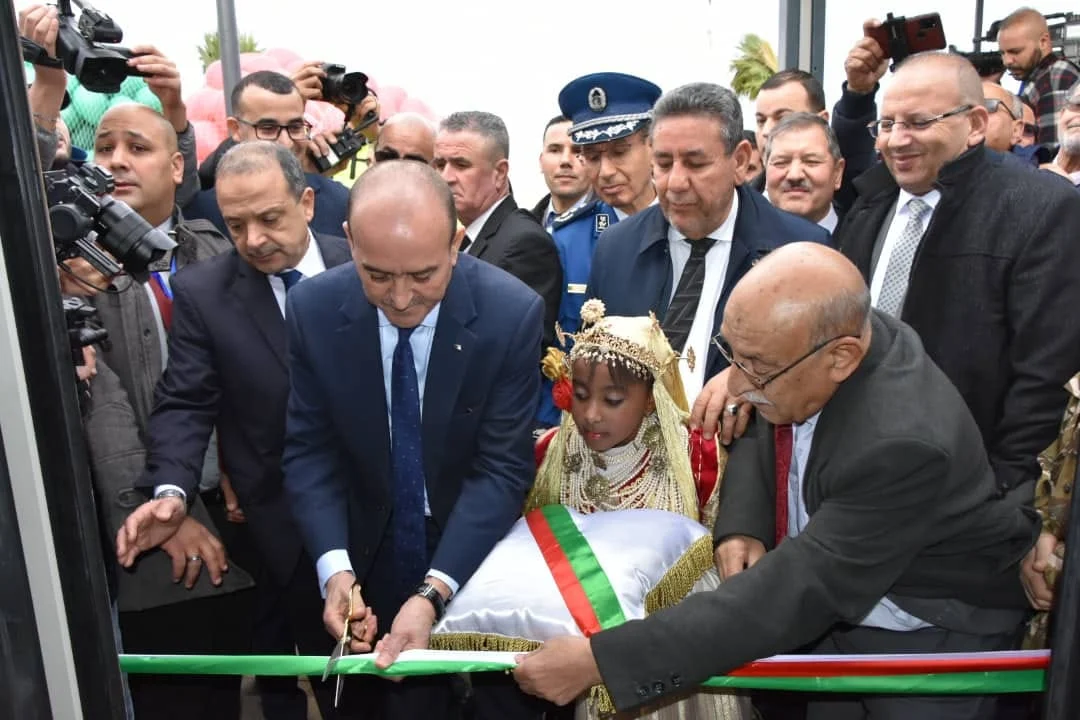
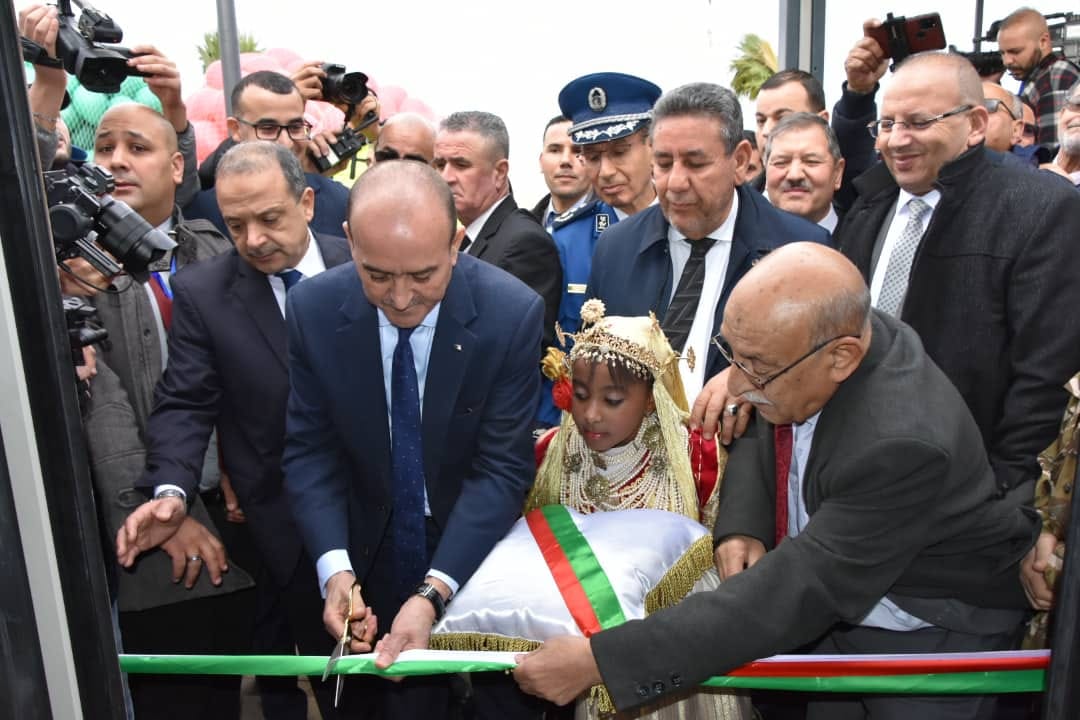
In a significant milestone for Algeria’s infrastructure development, the city of Mostaganem has officially inaugurated its highly anticipated tramway network. The launch, presided over by Algeria’s Minister of Transport, Kamel Beldjoud, alongside the Wali of Mostaganem, Aissa Boulahia, and other high-ranking local authorities, marks a transformative shift in the city’s public transportation landscape. This project, which has been over a decade in the making, is designed to modernize urban mobility, alleviate traffic congestion, and provide a sustainable, efficient transit alternative for the city’s residents, students, and commuters.
The 14-kilometer tramway network serves as a vital artery, threading through the heart of Mostaganem and connecting its most essential districts. By integrating university campuses, the bustling city center, and major transportation hubs, the tramway is poised to redefine how the citizens of Mostaganem navigate their growing urban environment.
The Technical Architecture and Scope of the Project
The Mostaganem tramway is not merely a transport line; it is a complex engineering feat comprising two primary lines and 24 strategically located stations. The project was meticulously phased to ensure structural integrity and operational efficiency.
Phase One: The Backbone of the Network
The initial phase focused on a 12.2-kilometer line connecting the Salamander district to the Kharouba district. This stretch acts as the primary corridor for the city, bridging residential zones with commercial and academic hubs.
Phase Two: Enhancing Connectivity
The second phase involved the construction of a 2-kilometer extension, creating a crucial link between the SNTF (Société Nationale des Transports Ferroviaires) railway station and the Nouvelle Gare Routière (New Bus Station). This integration is essential for intermodal travel, allowing passengers to switch seamlessly between regional trains, buses, and the local tram network.
Rolling Stock and Systems
The project’s technical backbone was provided through a strategic partnership between the EMA (Métro d’Alger) and a consortium featuring Alstom and Cosider. Alstom provided the comprehensive system architecture, which includes:
- Signaling and Telecommunications: State-of-the-art systems ensuring safety and real-time operational monitoring.
- Power Supply: Robust sub-stations designed to handle the high energy demands of a modern tramway.
- Ticketing Systems: Modern, user-friendly infrastructure for efficient passenger flow.
- Depot Equipment: Tailored facilities for the maintenance and storage of the Citadis trainsets.
The iconic Citadis trainsets are a product of the CITAL joint venture—a collaboration consisting of 51% Algerian partners and 49% Alstom. These trams are manufactured domestically at the Annaba site in northeastern Algeria, a testament to the country’s growing industrial capacity and commitment to local content. The CITAL plant currently employs nearly 670 people, highlighting the project’s role in local job creation and skills development.
A Chronology of Perseverance: From 2013 to Inauguration
The journey of the Mostaganem tramway has been characterized by ambition, technical hurdles, and eventual resilience. The project’s timeline offers a compelling look at the complexities of large-scale infrastructure in Algeria.
2013: The Initial Vision
The project was officially launched in 2013 with an initial budget of approximately EUR 240 million. The contract was awarded to a consortium led by the Spanish firm Corsan Isolux and Alstom. The project was originally slated for completion within 40 months.
2016–2017: Bankruptcy and Interruption
The construction phase faced significant headwinds when the primary contractor, Corsan Isolux, filed for bankruptcy. This event brought all work to a grinding halt, leaving the city with unfinished tracks and stalled progress. The government, recognizing the strategic importance of the tramway, issued a new call for tenders to rescue the project.
2018: The Cosider Takeover
In 2018, the state-owned Algerian construction giant, Cosider, stepped in to resume the project. Under their leadership, the civil engineering work—including the installation of tracks, overhead catenary lines, and traffic signaling—was brought back to life. This transition was a pivotal moment, as it shifted the project toward domestic execution.
2020: The First Milestone
By December 2020, the project achieved a major technical milestone when Alstom successfully conducted the first full-scale test run. The trial saw the tram navigate the 2-kilometer stretch from the secondary storage park (T2) to the SNTF station, confirming the stability of the power supply and the responsiveness of the signaling systems.
2023: Full Operational Status
Following rigorous safety testing and regulatory approvals, the tramway finally opened to the public, marking the culmination of years of intensive labor and administrative persistence.
Supporting Data: Impact and Capacity
The economic and social impact of the Mostaganem tramway is projected to be substantial. The system is designed to handle high-frequency traffic, with a total capacity estimated to serve up to 24,000 passengers per day on the main corridor between the Kharouba station—located directly in front of the Abdul Hamid Ibn Badis University—and the Salamander station.
Urban Planning Benefits:
- Student Mobility: By placing a station directly at the university, the tramway significantly reduces the commute time for thousands of students, fostering a more connected academic community.
- Congestion Mitigation: By offering a rapid, reliable alternative to private vehicles and informal taxis, the tramway is expected to significantly reduce traffic density in the city center.
- Intermodal Synergy: The link between the SNTF station and the bus station ensures that travelers from outside the city can transition into the tram network without hassle, promoting a truly integrated public transport system.
Official Perspectives and Government Policy
During the inauguration, Minister Kamel Beldjoud emphasized the government’s commitment to "sustainable urban development." The project is viewed as a blueprint for other Algerian cities currently looking to modernize their infrastructure.
Local authorities, led by the Wali of Mostaganem, highlighted the "social dividend" of the tramway. Beyond the technical specifications, the tram is intended to be a symbol of civic pride and modernization. By revitalizing the urban landscape and connecting the peripheral neighborhoods to the city center, the project promotes social equity, ensuring that all citizens—regardless of their district—have access to the same levels of mobility and economic opportunity.
Implications for Algeria’s Infrastructure Sector
The Mostaganem tramway is a landmark project that carries profound implications for Algeria’s future infrastructure strategy:
- Local Expertise: The success of the CITAL joint venture and the takeover by Cosider demonstrate that Algeria is successfully moving away from total dependence on foreign contractors. The ability to manage complex, multi-year, multi-billion-dinar projects domestically is a major win for the Algerian economy.
- Sustainability: As the global conversation shifts toward decarbonization, the electrification of urban transport in Mostaganem is a critical step in reducing the city’s carbon footprint. The tramway operates on electricity, moving away from fossil-fuel-reliant bus fleets.
- Industrial Integration: The manufacturing of the Citadis trainsets in Annaba serves as an anchor for the Algerian rail industry. It creates a supply chain ecosystem, fostering high-tech manufacturing jobs and reducing the need for expensive imports of heavy machinery.
- Resilience in Project Management: The history of this project—navigating through a contractor’s bankruptcy—serves as a case study in resilience. It highlights the importance of having state-backed entities like Cosider that can intervene when private international contracts fail, ensuring the public interest remains protected.
Conclusion: A Future-Proofed City
The launch of the Mostaganem tramway is more than just a logistical success; it is a testament to the city’s endurance. For a project that stalled during the bankruptcy of its original contractor, the sight of the trams gliding from the university to the seaside districts of Salamander is a victory for the residents of Mostaganem.
As the city continues to grow, the tramway will serve as the spine of its urban development. It is a catalyst for economic growth, a bridge for the student population, and a cleaner, more efficient way of living. As the passengers step onto the platforms of the 24 new stations, they are participating in a new chapter of Algerian urban life—one where mobility is a right, and the infrastructure is designed to serve the people.
The Mostaganem tramway is a beacon for other Algerian urban centers, proving that through domestic partnership and industrial innovation, the modernization of Algeria’s cities is not just a vision, but a tangible, daily reality.

