

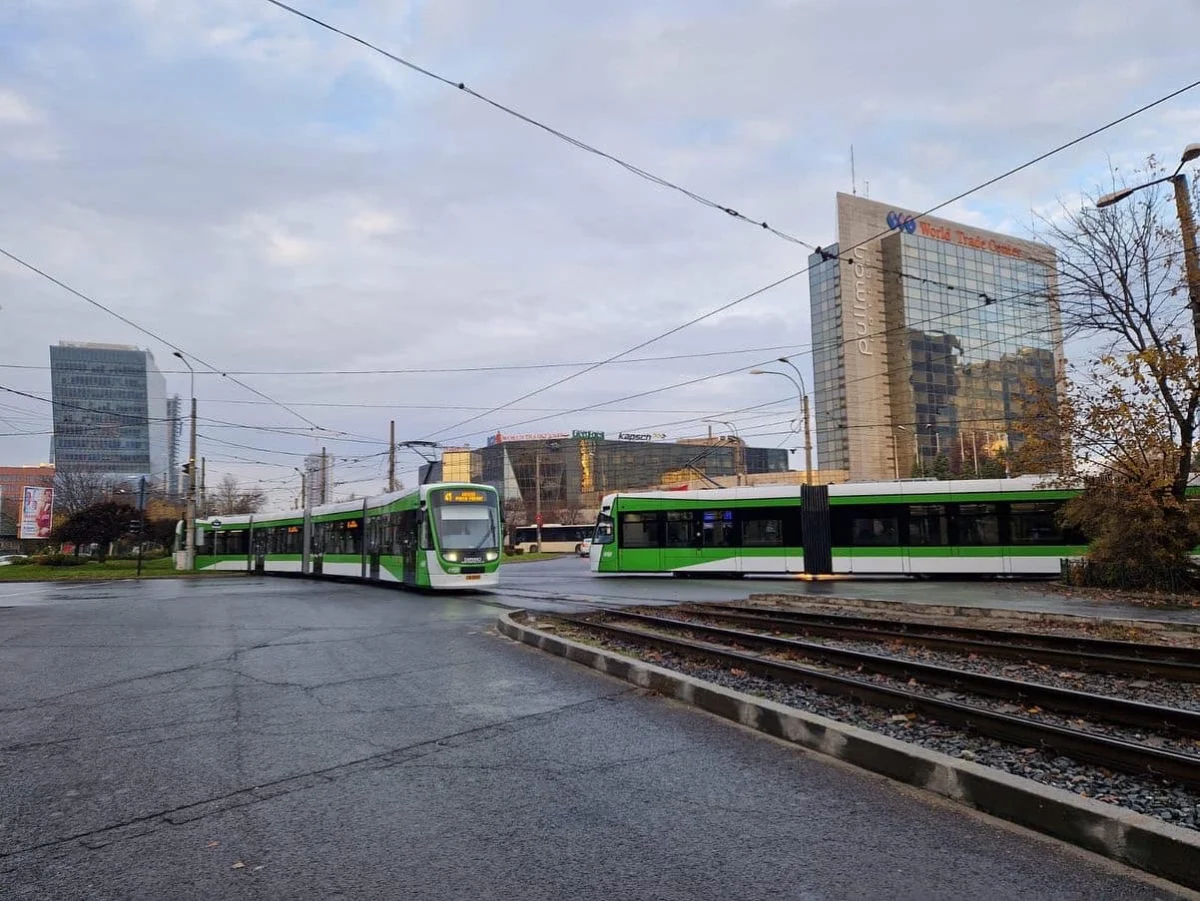
Introduction: A New Era for Bucharest’s Public Transport
The Bucharest City Hall has officially set in motion a transformative chapter for the Romanian capital’s urban mobility landscape. By awarding four strategic contracts for the development of feasibility studies, the municipal administration is laying the groundwork for a significant expansion of the city’s tramway network. This initiative is not merely a construction project; it is a calculated effort to stitch together fragmented residential neighborhoods, commercial hubs, and the historic city center, ultimately reducing reliance on private vehicles and mitigating the chronic traffic congestion that has long plagued the metropolitan area.
The total value of these four contracts stands at RON 7.75 million (approximately EUR 1.58 million), signaling a dedicated investment toward the design and technical planning of 15 kilometers of new track infrastructure. As Bucharest seeks to align itself with modern European standards of sustainable urban development, these studies represent the essential first step in a multi-phased expansion program.
The Core Expansion Strategy: Breakdown of the Four Lots
The acquisition procedure, designed to ensure specialized attention to distinct geographic zones of the city, was divided into four specific lots. The City Hall has contracted two major engineering firms, Metroul S.A. and Intergroup Engineering, to deliver these technical blueprints within a nine-month window.
Lot 1: Reconnecting the Historic Heart
Metroul S.A. has been tasked with a vital project in the city center. Valued at RON 1 million (EUR 212,247), this contract focuses on the construction of a 900-meter track in Unirii Square, extending from Dealul Mitropoliei toward Sfanta Vineri street. While relatively short in length, this connection is of immense strategic value, as it will link tram lines 32 and 21. By bridging these two lines, the city aims to streamline transit through the dense historic core, facilitating easier movement for commuters traveling from the southern districts into the commercial and administrative heart of Bucharest.
Lot 2: The South-East to North-East Corridor
The most significant component of this expansion, also awarded to Metroul S.A., is the development of a 10.8 km line connecting the south-eastern periphery with the north-eastern districts. With a contract value of RON 3.98 million (EUR 810,822), this project envisions a major transit artery running via Nicolae Grigorescu Boulevard, Iuliu Hatieganu Street, the Vitan-Barzesti trunk, and several key residential streets including Sergent Ion Iriceanu, Turnu Magurele, and Luica. This corridor is expected to alleviate pressure on existing road infrastructure by providing a high-capacity, dedicated transit lane for residents of some of the most densely populated southern neighborhoods.
Lot 3: Servicing the Northern Commercial Hubs
Intergroup Engineering has secured the contract for Lot 3, valued at RON 1.2 million (EUR 260,156). This project covers the construction of a 1.4 km branch extending from Gratioasa street to the Baneasa commercial center. Given the massive daily footfall at this retail destination, providing a direct tram link is expected to significantly reduce the number of private cars entering the Baneasa area, thereby optimizing traffic flow in the northern sector.
Lot 4: Expanding the North-Eastern Reach
Finally, Intergroup Engineering will undertake the study for Lot 4, valued at RON 1.46 million (EUR 297,746). This project entails the construction of a 1.6 km section between the existing tram loop on Mezes street and the Colosseum commercial center. Similar to the Baneasa project, this expansion seeks to provide reliable public transit access to major commercial hubs, ensuring that the growing retail and employment zones on the outskirts of the city are well-integrated into the public transit grid.
Chronology of Development: From Vision to Implementation
The current progress follows a roadmap established by the administration in 2022. Mayor Nicusor Dan, emphasizing the urgent need for a more sustainable transport model, outlined a broader vision to expand the tram network by a total of 30 km.
- Early 2022: The Mayor’s office announces the comprehensive tram expansion program, setting a target of 30 km of new tracks to meet the growing demand for public transit.
- Late 2022: The City Hall formalizes the tender process for the feasibility studies, breaking the project into the four distinct lots to ensure technical efficiency.
- January 2023: Official awarding of the four study contracts to Metroul S.A. and Intergroup Engineering.
- 2023–2024: Execution phase for the feasibility studies. All contractors are under a strict nine-month timeline to deliver the technical, environmental, and financial viability reports.
- Post-2024: Once the studies are finalized and approved, the city will move toward the procurement of construction works and the securing of necessary funding for the physical installation of the tracks.
Supporting Data: Why Bucharest Needs This Expansion
The reliance on personal automobiles in Bucharest has reached a breaking point. Traffic congestion indices frequently rank Bucharest among the most congested cities in Europe. The city’s public transport company, STB (Societatea de Transport București), faces the dual challenge of aging infrastructure and a rapidly expanding metropolitan population.

Key Performance Indicators (KPIs):
- Total New Track Planning: 15 km in the current phase.
- Overall Expansion Target: 30 km.
- Modernization Prioritization: The city is currently managing the rehabilitation of 50 km of existing tracks, with a total budget of EUR 500 million.
- Average Contract Completion Time: 9 months per lot.
The data underscores a two-pronged approach: "Modernize the existing, expand for the future." By allocating EUR 500 million to rehabilitate existing lines, the city is protecting its current assets while simultaneously using the 15 km expansion project to tap into under-served residential and commercial corridors.
Official Responses and Strategic Implications
The administration’s decision to invest heavily in tram infrastructure reflects a shift in policy from road-widening to transit-oriented development. Mayor Nicusor Dan has repeatedly stated that the only viable way to curb pollution and traffic is to provide an alternative that is faster and more reliable than the private car.
The Institutional Rationale
For the local authorities, the rationale is threefold:
- Capacity: Trams can transport significantly more passengers per hour than buses or cars, making them the most efficient solution for Bucharest’s wide boulevards.
- Sustainability: By prioritizing electric-powered transit, the city aligns with EU green energy directives, reducing the carbon footprint of its transport sector.
- Economic Connectivity: Linking residential areas to commercial hubs like Baneasa and Colosseum directly influences local economic vitality, ensuring that workers and consumers have reliable access to these centers.
Economic and Social Impact
The implications of these projects are profound. Residents in the south-east who previously had limited access to rapid transit will benefit from a more direct route to the north-east, potentially shaving significant time off their daily commutes. Furthermore, the focus on the historic center demonstrates a commitment to preserving the city’s character by discouraging car traffic in the most sensitive areas while increasing the transit-carrying capacity of the urban core.
Challenges and Future Outlook
Despite the optimistic outlook, the project is not without its hurdles. The successful delivery of the feasibility studies is only the beginning. The city must navigate complex property acquisition, utility relocation, and the logistical nightmare of construction in a dense urban environment.
Furthermore, the integration of these new lines into the existing STB network will require a comprehensive review of the current fleet. The city must ensure that the acquisition of new, modern rolling stock keeps pace with the construction of the new tracks. Failure to synchronize track development with fleet modernization could lead to a bottleneck in service quality.
Concluding Summary
Bucharest stands at a crossroads. The awarding of these four contracts is a clear signal that the city is moving away from the car-centric policies of the past. With a focus on strategic, data-driven planning and a commitment to modernizing 50 km of existing tracks alongside the new 15 km expansion, the Bucharest City Hall is attempting to build a transport backbone that is both resilient and forward-looking.
As the nine-month clock begins ticking for Metroul S.A. and Intergroup Engineering, the citizens of Bucharest wait with anticipation. The ultimate success of this initiative will be measured not just by the kilometers of track laid, but by the tangible reduction in traffic congestion and the improved quality of life for the millions of people who call the Romanian capital home. The modernization of the tramway is more than an engineering endeavor; it is the physical manifestation of Bucharest’s aspirations to evolve into a truly integrated, European-standard metropolis.

