

Introduction: A New Era for Serbian Rail
The Republic of Serbia is currently undergoing one of the most ambitious transport infrastructure transformations in its modern history. With a strategic goal to reclaim the nation’s status as a pivotal transit hub in Southeast Europe, the Serbian government is pouring billions into the modernization, electrification, and high-speed upgrading of its railway network. At the center of this industrial pivot is a reinforced collaboration with global technology giant Siemens Mobility.
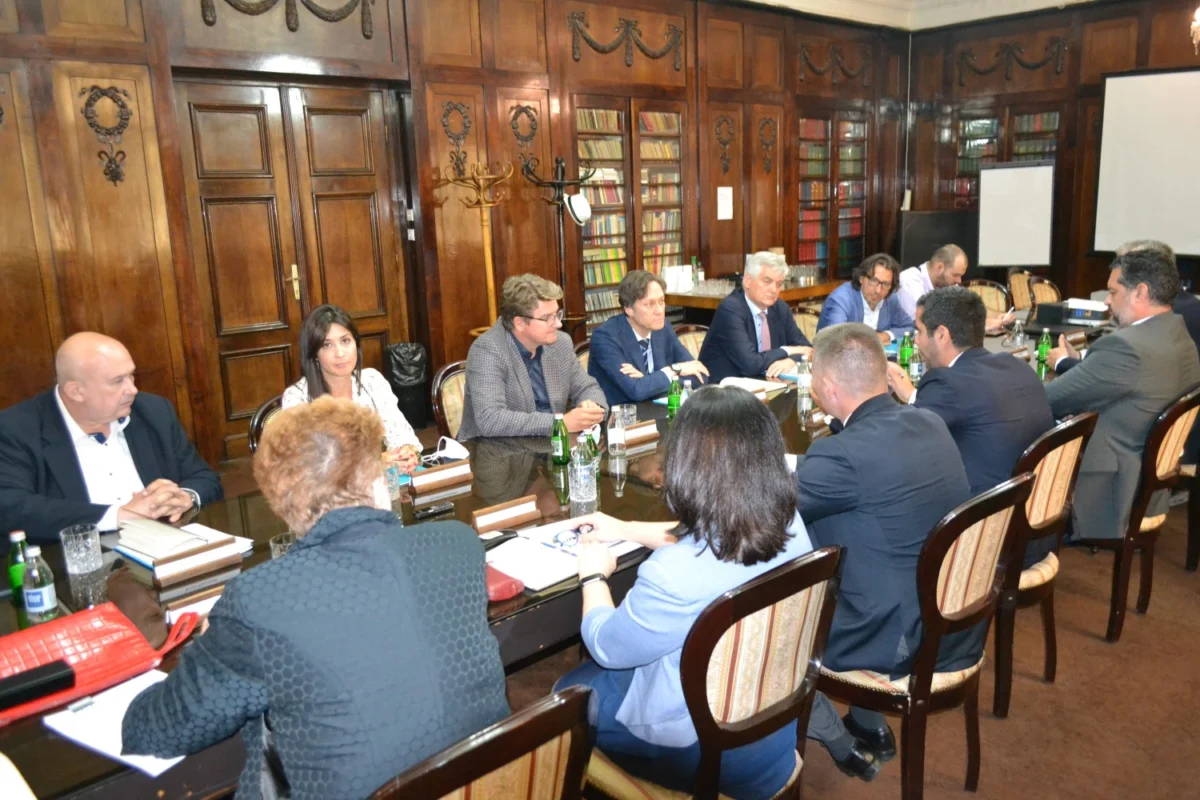
In a series of high-level diplomatic and technical meetings, representatives from the Serbian government, including the Ministry of Construction, Transport and Infrastructure, met with a high-powered delegation from Siemens Mobility. Led by Siemens Mobility CEO Michael Peter and Udo Eichlinger, CEO of Siemens Serbia, the discussions solidified a shared vision: to integrate Serbia into the European railway system through cutting-edge technology, workforce development, and the expansion of high-speed corridors.
The Core Facts: A Strategic Alignment
The recent consultations brought together the primary architects of Serbia’s rail future. Minister of Construction, Transport and Infrastructure Tomislav Momirović sat down with the leadership of the nation’s three primary rail operators: Serbian Railway Infrastructure (responsible for tracks and stations), Srbija Voz (passenger transport), and Srbija Kargo (freight operations).
The primary focus of these discussions was threefold:
- Modernization of Infrastructure: Accelerating the construction of high-speed rail corridors that connect the northern border with Hungary to the southern borders with North Macedonia.
- Fleet Expansion: Procuring a new generation of high-speed electric trainsets capable of reaching speeds of 160 km/h for regional passenger traffic, as well as modernizing the Belgrade city rail network (BG Voz).
- Human Capital: Establishing specialized training programs to cultivate a new generation of Serbian railway engineers and technicians, ensuring that the technology imported from Siemens is maintained and managed by local experts.
Chronology of Development: From Stagnation to High-Speed
For decades, the Serbian rail network suffered from underinvestment, aging infrastructure, and a decline in competitiveness compared to road transport. However, the last five years have marked a significant turning point.
The Foundation Phase (2018–2020)
The revitalization efforts began with the stabilization of the Serbian rail operators. During this period, the focus was on the financial restructuring of the state-owned rail companies and the procurement of initial high-tech assets, including the acquisition of 16 Vectron multisystem locomotives by Srbija Kargo. These locomotives, produced by Siemens, represented the first major step in upgrading the freight sector to meet modern European interoperability standards.

The High-Speed Transition (2021–Present)
The focus shifted to high-speed rail with the launch of the Belgrade–Novi Sad section. This project served as the proof-of-concept for the government’s modernization agenda. Following its success, the government unveiled the ambitious plan for the Belgrade–Niš–Presevo corridor, a project designed to link the Serbian capital directly to the state border with North Macedonia.
The Kragujevac Industrial Integration
A specific, geographically significant milestone in this timeline is the development of the 15.7 km rail section connecting Sobovica, Lužnice, and Batočina. This line is not merely a transport project; it is an industrial lifeline for the Kragujevac region, featuring an 890-meter industrial track that feeds directly into the Siemens Mobility factory in Kragujevac. This ensures that the components manufactured within Serbia are seamlessly integrated into the national and international supply chain.
Supporting Data: Infrastructure and Investment
The scope of the projects discussed is massive. Serbia is no longer just repairing old tracks; it is laying the foundation for a 21st-century rail grid.
- The Belgrade–Niš–Presevo Corridor: This line is of European strategic importance, forming part of the Pan-European Corridor X. The electrification and speed-upgrading of this line will significantly reduce transit times for both cargo and passengers, creating a competitive alternative to trucking.
- Regional Fleet Modernization: The procurement strategy aims for electric multiple units (EMUs) capable of sustained 160 km/h speeds. This is essential for the government’s plan to improve "regional connectivity," allowing residents of secondary cities to commute to Belgrade with reliability that rivals private vehicles.
- The BG Voz Expansion: As Belgrade grows, the city rail network is being viewed as the backbone of urban mobility. Plans include not only extending the lines to suburban areas but also integrating these trains with new passenger fleets to ensure that the urban rail experience matches the high-speed regional experience.
Official Perspectives and Government Strategy
Minister Tomislav Momirović’s Vision
Minister Momirović has been candid about the state of the railways prior to the current investment cycle. "The entire rail sector was faced with numerous difficulties in the previous period," he stated during the meeting. "We are currently implementing extremely large infrastructure and investment projects so that this transport system can return to its rightful place as soon as possible."
The Minister views the partnership with Siemens not just as a vendor-client relationship, but as a technological transfer. By inviting Siemens to participate in the training of local experts, the Serbian government hopes to avoid the "dependency trap," where countries rely on foreign firms for simple maintenance. Instead, Serbia aims to develop a self-sustaining ecosystem of rail expertise.
Siemens Mobility’s Commitment
CEO Michael Peter emphasized that Siemens is "ready to support Serbian railway projects in every facet." This support goes beyond delivering trains. It includes:
- Lifecycle Management: Assisting with the long-term maintenance of the Vectron locomotives and future passenger rolling stock.
- System Integration: Providing the signaling and control technology necessary for Serbia to be fully compatible with the European Rail Traffic Management System (ERTMS).
- Workforce Upskilling: Providing training for Serbian engineers, which ensures that the high-tech equipment—from electronic traction systems to digital passenger information displays—is kept in peak operational condition.
Implications: The Long-Term Economic Impact
Integrating with the European Union
The ultimate goal of these projects is the integration of Serbia’s railways with the European Union. Currently, differences in technical standards, signaling, and track maintenance act as "hidden borders" that slow down cross-border freight and passenger travel. By adopting the standards and technology utilized by Siemens, Serbia is effectively removing these barriers. This is expected to lower the cost of logistics for exporters and make Serbia a more attractive destination for foreign direct investment.
Environmental Sustainability
Rail transport is the most sustainable mode of mass transport. The electrification of the Belgrade–Niš line and the expansion of the BG Voz network will directly contribute to Serbia’s commitments regarding carbon reduction. By shifting freight from road to rail, the country will see a measurable decrease in greenhouse gas emissions and highway congestion.
Economic Catalyst for Kragujevac
The development of the rail infrastructure around Kragujevac is a prime example of "industrial cluster" development. By connecting the Siemens manufacturing facility directly to the national rail grid, the government has turned the region into an industrial powerhouse. This creates high-skilled jobs, attracts auxiliary manufacturing businesses, and provides a template for how the government intends to develop other industrial hubs across the country.
Conclusion: A Track Toward Prosperity
The partnership between the Serbian government and Siemens Mobility is a multifaceted project that goes far beyond the laying of steel rails. It represents a fundamental shift in how the nation views its economic future. By prioritizing high-speed connectivity, investing in the latest rolling stock, and committing to the training of a domestic workforce, Serbia is positioning itself as a modern, efficient, and integrated node in the European transport map.
As the Belgrade–Niš–Presevo project progresses and the expansion of the BG Voz network continues, the success of this endeavor will likely serve as a blueprint for other nations in the region seeking to revitalize their own railway systems. For now, the collaboration remains a testament to the power of public-private partnerships in driving large-scale, transformative infrastructure projects. Through this synergy, the "Rightful Place" that Minister Momirović speaks of—a Serbia at the heart of European connectivity—seems more attainable than ever.

