

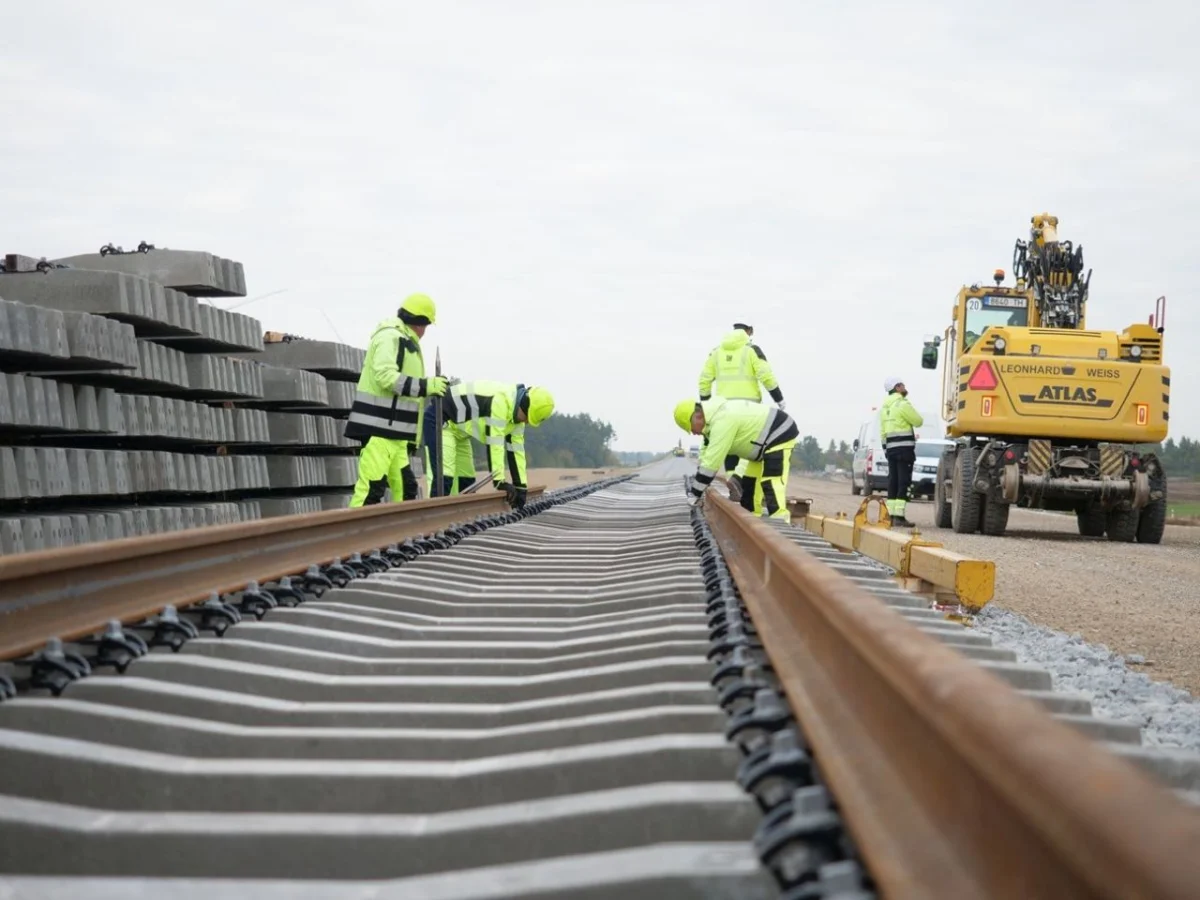
The Rail Baltica project—the flagship infrastructure initiative designed to integrate the Baltic States into the European rail network—has reached a pivotal juncture. RB Rail AS, the joint venture coordinating the construction of this high-speed, 1,435 mm gauge railway, has officially launched a market consultation for technical expertise services. This move is intended to secure independent validation of electrification designs across Latvia and Lithuania, ensuring that the power supply infrastructure meets the stringent safety, interoperability, and performance standards required for a modern European rail corridor.
By seeking external, third-party validation before the commencement of the detailed design phase, RB Rail is signaling a shift toward rigorous quality control, aiming to preemptively identify technical bottlenecks and ensure that the energy subsystem—the heartbeat of the future electric train fleet—is built on a foundation of engineering excellence.
The Strategic Importance of the Energy Subsystem
At its core, Rail Baltica is not merely a track-laying project; it is a complex technological ecosystem. The electrification of the 870-kilometer route is arguably the most demanding technical component of the entire project. The energy subsystem is responsible for delivering consistent, reliable power to high-speed trains capable of reaching speeds of up to 250 km/h.
Without a robust energy infrastructure, the operational efficiency of the corridor would be compromised. The system must support heavy freight transport as well as rapid passenger transit, requiring a power supply architecture that is both resilient and adaptable to the varying demands of international rail traffic. The current procurement consultation is a prerequisite for ensuring that the technical specifications for power supply systems, traction substations, and overhead catenary systems are not only compliant with European Union interoperability standards but also optimized for long-term maintenance and cost-efficiency.
Chronology: From Concept to Electrification Oversight
The progression of Rail Baltica has been defined by a series of high-stakes milestones that have steadily moved the project from the planning board to the physical construction phase.
- Initial Planning and Financing (2014–2020): The project established its governance structure under RB Rail AS, with initial feasibility studies confirming the necessity of a unified 1,435 mm gauge line linking Tallinn, Riga, and Vilnius to Warsaw and beyond.
- Energy Strategy Formalization (2022–2024): As the mainline construction gained momentum, the focus shifted to the "Energy Subsystem" procurement strategy. This period saw the drafting of large-scale tenders for the design and construction of traction power substations and energy control centers.
- The EUR 1.77 Billion Milestone (2025): A landmark year, 2025 saw the signing of a massive EUR 1.77 billion contract covering the design and implementation of the electrification across all three Baltic states. This contract remains the bedrock of the project’s energy strategy, representing one of the largest infrastructure procurement deals in Baltic history.
- The Technical Validation Phase (Early 2026): The current launch of the market consultation for technical expertise services serves as a bridge between the 2025 mega-contract and the forthcoming detailed design phase. By engaging external experts to review technical solutions, RB Rail is creating a "sanity check" layer in the procurement process.
Independent Technical Validation: Why It Matters
The decision to solicit independent expertise is driven by the sheer scale and complexity of the electrification requirements. When dealing with cross-border infrastructure, the risk of "design fragmentation"—where different technical standards are applied in different regions—is significant.
The scope of the sought-after expertise includes:
- System Integration Analysis: Ensuring the power supply infrastructure integrates seamlessly with rolling stock requirements and signaling systems.
- Safety and Compliance Verification: Validating that all electrical components adhere to the Technical Specifications for Interoperability (TSI) established by the European Union Agency for Railways.
- Risk Mitigation: Identifying potential design flaws that could lead to cost overruns or delays during the construction and commissioning phases.
- Operational Performance Modeling: Using simulation data to verify that the planned power supply can handle the projected frequency of trains without voltage drops or system failures.
By outsourcing this validation, RB Rail is essentially inviting industry leaders to scrutinize their plans, thereby increasing the project’s transparency and ensuring that the final engineering specifications are "battle-tested" before a single component is installed.
Official Responses and Strategic Rationale
Uģis Sabulis, ENE Program Manager at RB Rail AS, emphasized the strategic necessity of this consultation during the announcement. "The launch of this market consultation is an important step in preparing for the next phase of the Rail Baltica energy subsystem development," Sabulis stated. "With the upcoming procurement for design expertise, we want to ensure that the technical solutions are of high quality, compliant, and technically sound to support the start of detailed design."
For the Baltic governments, this move is seen as a necessary safeguard for public funds. Given the significant investment—supported by the Connecting Europe Facility (CEF) and national budgets—the political pressure to deliver the project on time and within budget is immense. The independent oversight provides a layer of institutional confidence that the technical backbone of the project is being developed according to the highest global standards.

Market Consultation: Engaging the Industry
The current consultation process is an open invitation for international engineering and consultancy firms to review preliminary documentation. This is a vital phase for several reasons:
- Refining Requirements: It allows industry experts to point out where technical specifications might be overly rigid or, conversely, too loose.
- Qualification Benchmarking: It helps RB Rail refine the qualification requirements for the official tender, ensuring that the pool of potential bidders includes firms with the necessary international experience.
- Feedback Integration: All comments submitted by February 27, 2026, will be analyzed by the RB Rail team to refine the final tender documents, effectively co-creating the project’s technical standards with the very companies that will eventually execute the work.
Implications for the Baltic Region
The implications of this phase extend far beyond the technical sphere. For Estonia, Latvia, and Lithuania, Rail Baltica is a geopolitical necessity—a way to "re-anchor" the Baltic States into the Western European transport network.
Economic Connectivity
The electrification of the line is the key to unlocking the economic potential of the corridor. Reliable power ensures that freight trains can move heavy loads across the Baltic States with high energy efficiency, reducing the carbon footprint of logistics and making the region a more attractive hub for international trade.
Environmental Impact
As Europe pushes toward a carbon-neutral transport sector, the Rail Baltica electrification project serves as a model for sustainable development. By shifting transit from fossil-fuel-dependent road transport to an electrified, high-speed rail network, the project aligns with the European Green Deal. The quality of the energy subsystem will determine the overall energy efficiency of the line; hence, the current push for high-quality technical validation is also an environmental imperative.
Technical Interoperability
The project serves as a litmus test for European rail integration. Because the Baltic States historically used the broad gauge (1,520 mm) system, the transition to the 1,435 mm standard is a massive technological leap. Ensuring that the electrification system is designed with European-wide interoperability in mind is what will allow a train to travel from Warsaw to Tallinn without requiring power supply adjustments or locomotive changes at every border.
Looking Ahead: The Road to 2026 and Beyond
As the deadline for the market consultation (February 27, 2026) approaches, the industry is watching closely. The success of this consultation will dictate the timeline for the subsequent open tender for design expertise.
The procurement of this expertise is not merely a bureaucratic checkbox; it is a critical gatekeeping mechanism. As Rail Baltica moves into its most intensive construction years, the decisions made today regarding the energy subsystem will define the reliability, safety, and operational capacity of the railway for the next half-century.
For contractors and engineering firms, this presents a significant opportunity to participate in one of the most important infrastructure projects in the European Union. For the Baltic citizens, it represents progress toward a more connected, efficient, and sustainable future. The rigor being applied to the energy subsystem—starting with this independent validation—suggests that RB Rail AS is determined to ensure that when the first electric trains begin their journey across the Baltic landscape, they do so on a foundation that is truly world-class.
In conclusion, the launch of the market consultation marks the transition from broad strategic planning to the granular, technical reality of engineering the future of Baltic rail. By prioritizing independent oversight and collaborative refinement, RB Rail is setting a high bar for infrastructure delivery, ensuring that the EUR 1.77 billion electrification project is positioned for long-term success.

