

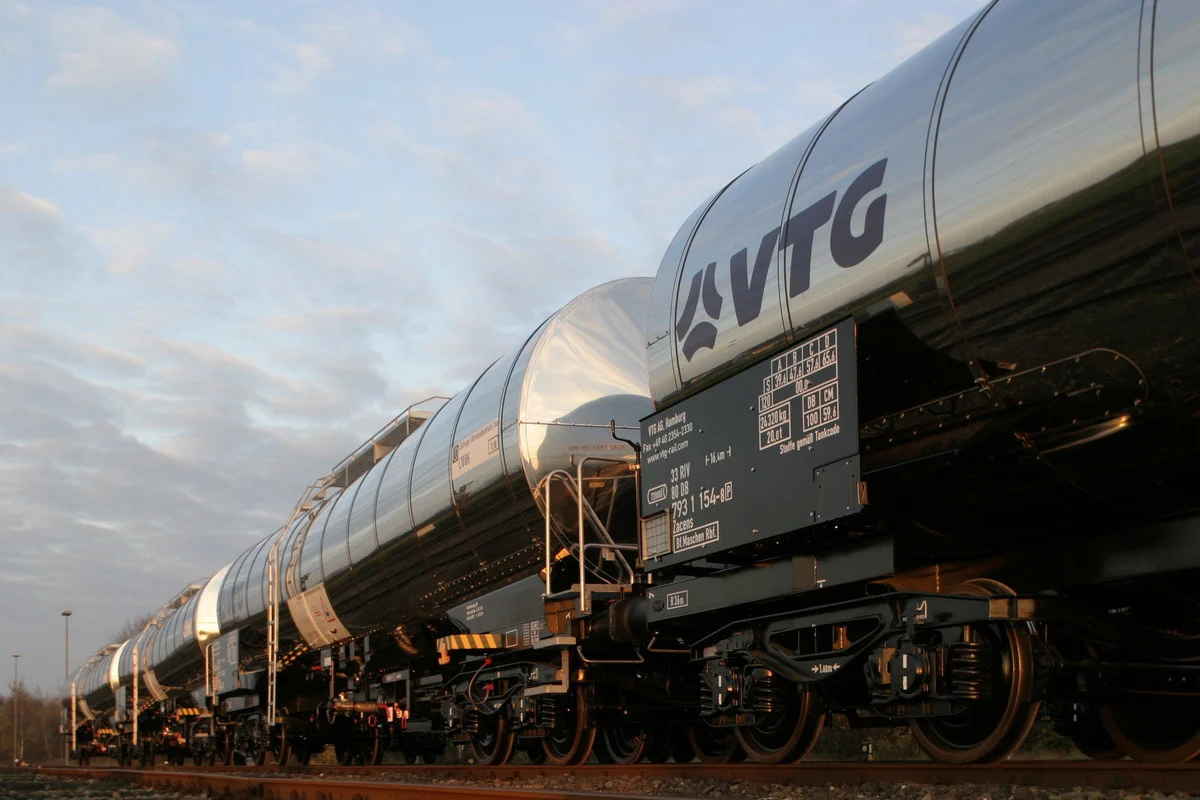
The European rail freight industry is on the cusp of a significant operational paradigm shift. VTG AG, one of Europe’s leading railcar leasing and rail logistics companies, has announced a strategic migration from traditional time-based maintenance cycles to a sophisticated, mileage-based maintenance regime. By leveraging real-time data harvested through the company’s proprietary "VTG Connect" telematics system, the firm is setting a new standard for asset management, efficiency, and safety. This transition, set to commence in early 2022, marks a departure from static maintenance intervals that have governed the industry for decades.
Main Facts: A Data-Driven Evolution
The core of this transition lies in the intelligent application of real-time diagnostics. Historically, railway wagons were subjected to maintenance at fixed intervals—usually measured in months or years—regardless of whether they had traveled 5,000 kilometers or 50,000 kilometers during that period. This “one-size-fits-all” approach often resulted in unnecessary downtime for wagons that had seen little use, while potentially neglecting components that were subjected to heavy, high-intensity usage.
By utilizing VTG Connect, the company can now monitor the actual performance of its European fleet in real time. This allows for maintenance to be performed based on actual wear and tear—as indicated by total mileage—rather than the ticking of a calendar. The shift ensures that the maintenance of every wagon is optimized for its specific duty cycle, effectively maximizing the utility of the assets and reducing the frequency of unproductive shop visits.
Chronology: From Regulatory Change to Fleet-Wide Implementation
The journey to this milestone was not overnight; it is the culmination of years of technical development and regulatory advocacy.
- 2018: The Regulatory Foundation: The critical catalyst for this shift was the amendment of Germany’s Railway Construction and Operation (EBO) regulations. These legal changes provided the necessary framework for operators to move away from rigid, calendar-bound maintenance, creating a path for innovation.
- 2019–2020: Development of Telematics: VTG invested heavily in equipping its European fleet with comprehensive telematics systems. The goal was to create a digital twin of the fleet, ensuring that every asset could communicate its location, performance, and operational status back to centralized control centers.
- 2021: Validation and Preparation: Throughout the current year, VTG has been engaged in rigorous safety validation. Expert teams have been scrutinizing the technical requirements of individual wagon types to ensure that mileage-based maintenance does not compromise the high safety standards of the European rail network.
- 2022: Implementation Phase: At the start of the coming year, the new regime will officially go live. With two-thirds of the fleet already qualified, the company plans a phased rollout, transitioning the majority of its wagons into the new, dynamic maintenance schedule.
Supporting Data: Efficiency Through Precision
The scale of this transition is massive. VTG operates one of the most diverse and extensive railcar fleets in Europe. By moving to a performance-linked schedule, the company anticipates several key performance indicators (KPIs) to shift favorably:
- Fleet Availability: By avoiding premature maintenance for low-mileage wagons, the company significantly increases the number of assets available for customer use at any given time.
- Asset Utilization: Wagons that are deployed in high-intensity corridors will receive the attention they need precisely when they reach technical thresholds, while underutilized assets will stay in operation longer, effectively reducing the "cost-per-kilometer" for clients.
- Safety Compliance: Even with the shift in scheduling, all work remains strictly compliant with the VPI European Maintenance Guide (VPI-EMG). The company emphasizes that this is not a deregulation of safety, but rather a more scientific application of it.
Currently, the company is conducting a component-level audit of its entire fleet. While most wagons are suitable for the transition, a small segment with highly specialized technical fittings is being examined to determine if they require unique maintenance protocols. Nevertheless, the majority of the fleet—approximately 66%—is already verified as ready for the transition.
Official Responses: A New Maintenance Culture
The leadership at VTG views this as more than just a technical upgrade; they see it as a shift in corporate and industry philosophy.
"We always want to give our customers the optimal combination of safety, flexibility, and availability across wagon hire and related services," says Sven Wellbrock, Chief Operating Officer Europe and Chief Safety Officer of VTG AG. "Our entire European fleet is fitted with telematics systems that are fundamental to the development of and transition to this new maintenance regime. As a result, customers will enjoy even greater wagon availability to accommodate their wishes."

Frank Sadowski, Head of Technical Support & Safety at VTG Rail Europe, adds context regarding the technical guidelines: "We will obviously keep to the proven technical rulebook. But at the same time, the underlying change of mindset will sow the seeds of a new maintenance culture. We are not altering the maintenance guidelines: We are simply applying real-time information to systems that already work."
These statements underscore a deliberate effort to assure regulators, partners, and customers that the transition is rooted in data, not in cost-cutting at the expense of safety. By utilizing the VPI-EMG as the benchmark, VTG ensures that it remains firmly within the established safety parameters of European rail traffic.
Implications: Reshaping the European Rail Market
The implications of this move are likely to ripple across the entire logistics sector.
Implications for Customers
For the industrial clients who lease these wagons, the primary benefit is reliability. In the supply chain, predictability is king. When a wagon is removed for maintenance based on a calendar, it can disrupt a logistics chain even if the wagon was technically sound. By shifting to mileage-based intervals, maintenance becomes a planned event based on usage, allowing for better synchronization with production cycles and transport schedules.
Implications for the Environment and Sustainability
Rail is already the most sustainable form of inland transport, but VTG’s move adds a layer of circular economy efficiency. By optimizing the maintenance cycles, the company reduces the consumption of spare parts and the energy-intensive processes involved in frequent workshop visits. Fewer shop visits mean less energy consumption and a lower carbon footprint for the maintenance operations themselves.
Implications for the Industry
VTG is the first European wagon owner to implement this on a fleet-wide scale, effectively serving as a test case for the rest of the industry. Should this prove as successful as the company projects, it is highly likely that other major European lessors will follow suit. This could lead to a broader industry trend toward "Predictive Maintenance 2.0," where data-driven insights completely replace the antiquated reliance on the calendar.
Conclusion: A Future Built on Data
The transition to mileage-based maintenance is a testament to the digital transformation of the rail freight sector. By marrying the traditional, safety-first engineering principles of the VPI-EMG with the modern, high-speed data capabilities of VTG Connect, VTG is demonstrating how industrial giants can remain agile in a competitive market.
As the company prepares for the 2022 rollout, the focus remains on the granular: checking individual components and verifying safety protocols. However, the macro-level impact is clear. The rail industry is moving away from the rigid structures of the past and embracing a future where assets are managed with surgical precision. For VTG, the goal is simple: to provide a safer, more reliable, and more available fleet, one kilometer at a time. The shift not only serves their internal operational goals but also paves the way for a more efficient, data-integrated, and sustainable European rail network.

