

Main Facts: A Landmark Infrastructure Milestone for Estonia
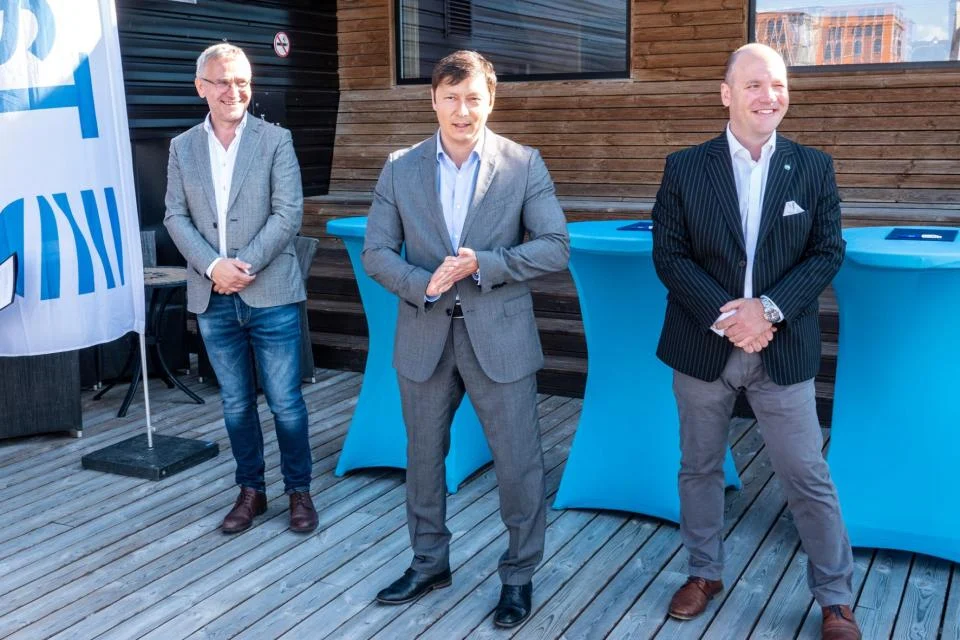
The City of Tallinn has officially embarked on a transformative infrastructure project that promises to redefine the capital’s mobility landscape. A consortium comprising industry leaders Merko Ehitus and KMG Inseneriehituse has been awarded the contract for the design and construction of the Tallinn Old City Harbour tram connection. This critical artery will bridge the gap between the historic Old City Harbour and the burgeoning Ülemiste terminal, which is poised to serve as the Estonian hub for the ambitious Rail Baltica project.
The contract, valued at EUR 36.5 million, marks the beginning of a complex engineering endeavor. When factoring in value-added tax (VAT) and the necessary owner supervision costs, the total investment in the tramway project reaches EUR 44.9 million. A significant portion of this capital—EUR 26 million—is being provided by the European Union’s Recovery and Resilience Facility (RRF), underscoring the project’s strategic importance within the broader European transit network.
The project involves the construction of a 2.5-kilometer tramway extension. This new segment will commence at the intersection of Kivisilla and Gonsiori streets and stretch to the Põhja puiestee bus stop. By integrating the harbor area—the city’s primary maritime gateway—with the national and international rail network at Ülemiste, Tallinn is effectively consolidating its multi-modal transport infrastructure into a cohesive, user-friendly system.
Chronology: From Concept to Connectivity
The timeline for the implementation of the Old City Harbour tram connection is aggressive, reflecting the urgency of Estonia’s modernization goals.
- Preparatory Phase (Late 2022 – Early 2023): Initial design and engineering work commenced immediately following the contract signing. This phase involved meticulous urban planning to ensure the new tracks could navigate the existing dense city fabric without disrupting historic districts.
- Construction Launch (March – April 2023): On-the-ground work began in the spring of 2023. This phase initiated the reconstruction of existing road surfaces and the preparation of the tram corridor.
- Substantial Completion (June 2024): The core tramway infrastructure and the essential contact network were slated for completion by the end of June 2024. This date serves as the primary milestone for verifying the technical integrity of the line.
- Finalization (Post-June 2024): Following the successful completion of the rail infrastructure, the project shifts toward public realm improvements, including the construction of modern pavements along the route to ensure seamless pedestrian access.
- Project Delivery (February 2025): The final handover of the fully operational line is expected in February 2025, setting the stage for full integration with the future Ülemiste terminal operations.
Supporting Data: Engineering the Future of Mobility
The technical scope of the project is as extensive as its geographic impact. The route is designed to maximize connectivity by weaving through some of the busiest sections of Tallinn’s urban center.
The existing tramway on Tartu maantee will be augmented with a strategic left turn into Gonsiori street, creating a new flow of traffic toward the harbor. From there, the line follows a carefully mapped path:
- Central Transit: Via Laikmaa, Hobujaama, and Ahtri streets, channeling commuters directly toward the harbor.
- Maritime Integration: Navigating via Laeva, Kuunari, and Kai streets to provide direct access to the Sadama A-terminal.
- Linnahall Passage: Traversing via Logi and Rumbi streets, effectively passing beneath the iconic Linnahall structure.
- Network Junction: The line finally converges with the existing tramway coming from Mere and Põhja puiestee, facilitating a direct link toward the Kopli district.
Furthermore, the operational success of the line is guaranteed by the acquisition of modern light rail vehicles. Following a successful tender process, these state-of-the-art trams will provide a high-capacity, low-emission service, replacing older rolling stock and ensuring a smooth ride for passengers.
Simultaneously, the Ülemiste terminal—the southern anchor of this project—is being designed as a multi-level architectural feat. The building will feature one underground level and four above-ground floors. The infrastructure plan includes the relocation of the existing 1520 mm gauge tracks to accommodate the international standard gauge required by Rail Baltica, alongside new access roads, car parks, and a large public town square.
Official Responses: A Vision for a Connected Tallinn
The project has received strong backing from the municipal government, which views the tramway as a catalyst for urban renewal. Tallinn Mayor Mihhail Kõlvart emphasized that the project is about more than just moving people; it is about creating a seamless, future-proof city.
"The new tramway will create fast and convenient connections for all passengers and visitors to Tallinn, regardless of the mode of transport," Kõlvart stated. He noted that the extension acts as a vital bridge between the city’s gateways—sea, air, rail, and road. "This project is also one stage in a larger vision for the development of the Old City Harbour area and the city as a whole," the Mayor added.
The leadership in Tallinn recognizes that for a capital city to remain competitive in the 21st century, it must move away from car-dependency. By prioritizing high-capacity rail transit, the city is aligning itself with European Green Deal objectives, aiming to reduce the carbon footprint of urban travel while improving the quality of life for residents.
Implications: The Long-Term Impact
The implications of the Old City Harbour tram extension extend far beyond the immediate convenience of commuters.
1. Integration with Rail Baltica
The most significant impact is the successful integration of the harbor with the Rail Baltica project. By providing a direct tram link between the international rail terminal at Ülemiste and the ferry terminals in the Old City Harbour, Tallinn will be able to handle a massive influx of international passengers. Tourists arriving by sea from Helsinki will be able to transfer directly to a train destined for Riga, Vilnius, or even Warsaw, positioning Tallinn as a critical transit hub in the Baltic region.
2. Urban Revitalization
The project is a driver of real estate and commercial development. Areas surrounding the new tram route, particularly near the harbor and along the Ahtri corridor, are expected to see increased investment. The aesthetic and functional improvement of these streets, through the addition of new pavements and modern public transport infrastructure, will make these areas more attractive to businesses and residents alike.
3. Sustainable Mobility Goals
By moving to a light rail system for this route, the City of Tallinn is making a definitive statement on sustainability. The new tram fleet offers significantly higher energy efficiency compared to bus-based transit. As the city continues to grow, shifting the burden of passenger transport to electricity-powered trams will be essential in meeting local air quality standards and reducing noise pollution in the city center.
4. Economic Stimulus
The construction phase itself provides a boost to the local economy, employing local engineering and construction firms. Once operational, the improved connectivity will likely stimulate tourism and cross-border trade, as the friction of moving through the city is significantly reduced for international travelers.
Conclusion
The Tallinn Old City Harbour tram connection is a project that bridges the past and the future. By stitching together the historic maritime gateway of the harbor with the futuristic terminal at Ülemiste, Tallinn is positioning itself as a modern, efficient, and highly connected capital. As the construction progresses toward the 2025 completion date, the project stands as a testament to the power of strategic urban planning and the potential of international cooperation through the Recovery and Resilience Facility. The citizens of Tallinn and the millions of visitors who pass through the city annually are set to benefit from a transit network that is as sophisticated as the digital society Estonia has become known for.

