

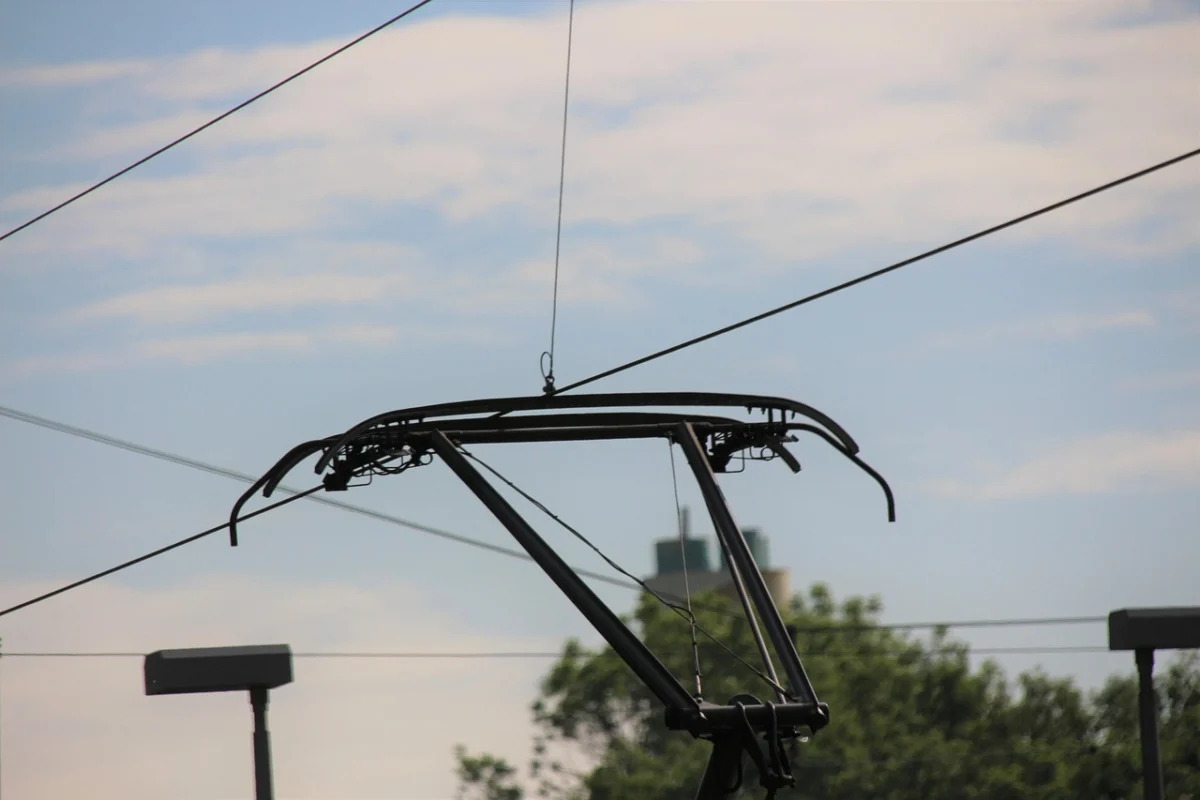
Network Rail, the infrastructure manager for the United Kingdom’s rail network, has officially commenced a pivotal phase in the electrification of the Borders Railway. Connecting Edinburgh to Tweedbank, this critical artery is now at the center of Scotland’s ambitious strategy to transition away from fossil fuels, marking a major milestone in the nation’s commitment to achieving a carbon-neutral transport network.
The commencement of work on the Borders line is not merely a localized infrastructure upgrade; it represents the first tangible steps in a sweeping GBP 342 million investment package confirmed by the Scottish Government in September 2024. This broader initiative aims to modernize routes across Fife and the Borders, paving the way for the introduction of 69 state-of-the-art electric and battery-electric multiple units (EMUs and BEMUs) by 2031.
The Technical Scope: Laying Foundations for a Greener Future
On February 21, specialized engineering teams began the preparatory phases required for the installation of overhead line equipment (OLE). The current phase focuses on piling operations—the installation of deep-seated foundations designed to support the masts and cantilevers that will eventually hold the 25 kV 50 Hz electrification infrastructure.
Unlike older, legacy rail lines that often require complex civil engineering interventions—such as lowering track beds or heightening bridge clearances to accommodate electrification equipment—the Borders Railway benefits from forward-thinking design. When the line was reopened in 2015, it was strategically built with future electrification in mind. Consequently, the current installation process is significantly less invasive and more cost-effective, allowing Network Rail to expedite the rollout without the need for major structural alterations to existing historic bridges or tunnels.
To facilitate these works safely, Network Rail has coordinated a series of temporary service suspensions. Because these operations cannot be performed while active rail traffic is present, three weekend closures have been scheduled throughout March. During these windows, ScotRail will implement comprehensive rail replacement bus services to ensure passenger mobility is maintained.
Chronology of Scotland’s Rail Transformation
The evolution of Scotland’s railway strategy has been a dynamic process, influenced by economic considerations and technological advancements. The following timeline tracks the development of the current electrification project:
- 2015: Reopening of the Borders Railway between Edinburgh and Tweedbank, incorporating design specifications for future-proof electrification.
- September 2024: The Scottish Government announces a GBP 342 million investment to electrify key routes, including Fife and the Borders, setting a firm trajectory for fleet modernization.
- November 2025: Adoption of a revised, more flexible rail decarbonization strategy, shifting from aggressive, full-scale electrification to a targeted, rolling-stock-led approach.
- February 2026: Commencement of preparatory piling works on the Borders Railway.
- March 2026: Planned execution of structural foundation works during weekend service closures.
- 2027–2032/35: Anticipated implementation of the new Scotland’s Railway Electrification Framework.
- 2031: Target deadline for the deployment of 69 new electric and battery-electric train units.
- 2045: Final target for the complete decarbonization of Scotland’s passenger rail network.
Official Perspectives: Aligning Infrastructure with Passenger Experience
The electrification of the Borders line is viewed by industry leaders as a prerequisite for a superior passenger experience. Lynsey Maclean, Scheme Project Manager at Network Rail Scotland, emphasized the strategic advantage of the line’s original design, noting that the "rebuilt with future electrification in mind" philosophy has proven to be an invaluable asset in accelerating the current program.
For the train operator, the transition is equally significant. Mark Ilderton, Director of Service Delivery at ScotRail, highlighted the operational benefits that electric traction will bring to the region. "This is an important step in preparing for the introduction of new, greener trains," Ilderton stated. He added that the transition would provide passengers with "quieter, smoother, and more sustainable journeys," reinforcing the railway’s role as a competitive alternative to private road transport.

Since its revival, the Borders Railway has been a success story for regional connectivity. With over 13 million passenger journeys recorded, the line has acted as a catalyst for economic growth, supporting commercial investment and residential development along the rail corridor. The electrification project is expected to further solidify this growth by increasing service reliability and reducing long-term operational costs.
Supporting Data: The New Electrification Framework
Beyond the immediate work on the Borders line, Network Rail is laying the groundwork for a long-term, standardized approach to national infrastructure. A preliminary market consultation has been launched for a new contract framework, titled "Scotland’s Railway Electrification Framework," spanning the period from 2027 to 2032, with options to extend until 2035.
The scale of this procurement is substantial, with estimated works ranging from GBP 300 million to a potential GBP 450 million. By appointing a single primary contractor, Network Rail aims to achieve economies of scale and technical standardization, utilizing the proven "Master Series" project methodologies. This move is designed to minimize the complexity and cost overruns often associated with bespoke infrastructure projects, ensuring that the Scottish taxpayer receives the maximum return on investment. The formal tender notice for this framework is expected in early March 2026.
Strategic Implications: A Shift in Decarbonization Policy
The current projects are emblematic of a significant strategic pivot in Scotland’s environmental policy. Initially, the Scottish Government held an ambitious target to eliminate diesel traction entirely by 2035, necessitating the electrification of approximately 130 kilometers of track per year. However, acknowledging the economic realities of large-scale infrastructure projects and the rapid advancement of alternative traction technologies, the government adopted a revised plan in late 2025.
The new strategy extends the final decarbonization deadline to 2045. This "proportionate and efficient" approach shifts the focus away from the "electrify everything" mantra toward a more nuanced, mixed-technology model. Under this new framework:
- Strategic Electrification: Heavily used intercity and suburban routes—such as the Borders and Fife lines—will remain the priority for traditional 25 kV overhead electrification due to the high energy density and performance requirements of these services.
- Rolling Stock Innovation: The strategy emphasizes reducing emissions through the fleet itself. By deploying battery-electric trains, the rail operator can bypass the need for costly and environmentally disruptive infrastructure on more rural or secondary routes.
- Alternative Fuels: For lines where electrification is not economically or technically feasible, the government is exploring hydrogen fuel cell technology. This ensures that even the most remote parts of the Scottish rail network can contribute to the net-zero goal without the need for extensive catenary installation.
Conclusion: The Path Ahead
The electrification of the Borders Railway is more than just a series of technical installations; it is a signal of a modernized, pragmatic approach to public infrastructure. By balancing the need for rapid decarbonization with the fiscal realities of maintaining a vast rail network, Scotland is setting a precedent for how nations can successfully transition to sustainable transport.
As the piling rigs begin their work and the infrastructure takes shape, the benefits of this investment—lower carbon emissions, improved air quality, and enhanced passenger comfort—will soon be realized. With the upcoming procurement of the Scotland’s Railway Electrification Framework, the momentum is clearly building, ensuring that Scotland’s railways remain a vital, sustainable, and forward-looking engine for the nation’s economy for decades to come.

