

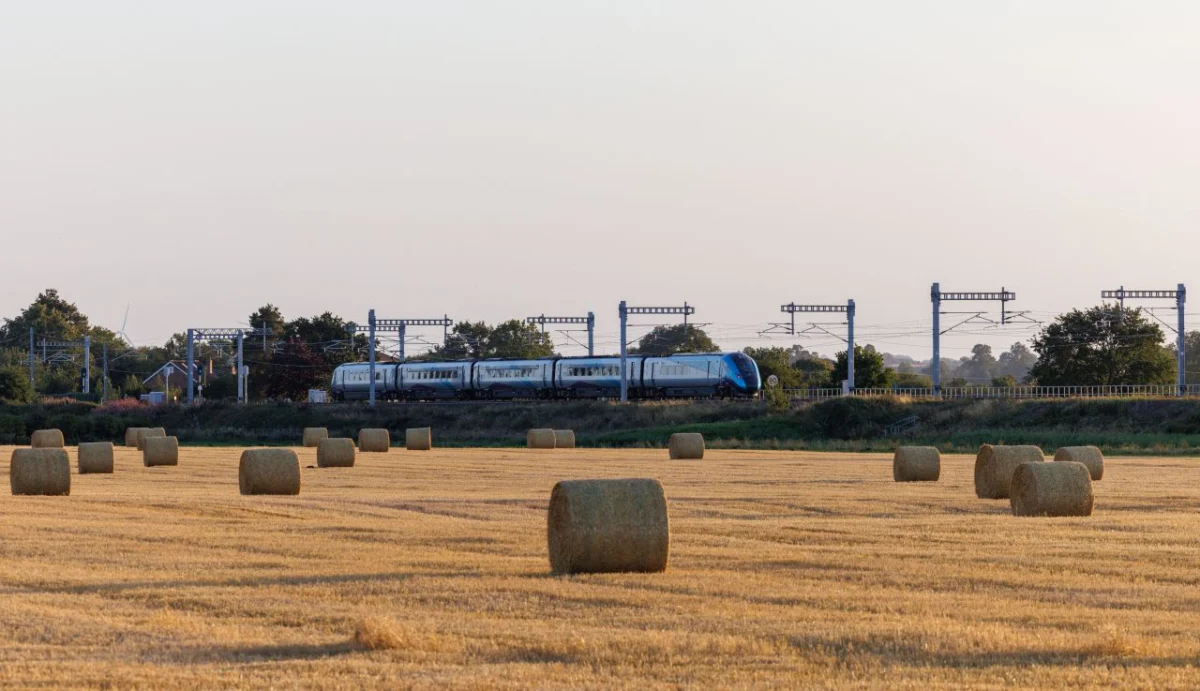
The landscape of Northern England’s rail network underwent a quiet but historic transformation on Sunday, 3 August 2025. As the first electric passenger train glided along the newly energized tracks between Colton Junction (near York) and Church Fenton, the Transpennine Route Upgrade (TRU) officially marked the completion of a pivotal phase in one of the most ambitious infrastructure projects in British history. This achievement signifies that 25% of the 70-mile Transpennine main line is now fully electrified, setting the stage for a revolution in connectivity, reliability, and environmental sustainability for millions of passengers.
The Milestone: A Leap Forward for Northern Connectivity
For years, the Transpennine route—a vital artery connecting the economic hubs of Manchester, Huddersfield, Leeds, and York—has been plagued by capacity constraints and an over-reliance on aging diesel infrastructure. The successful electrification of the stretch between York and Church Fenton is not merely a technical triumph; it is a tangible promise of the future.
The project, which has been under intense planning and construction for over half a decade, has seen engineers navigate the complexities of working on an active, historic railway. Completing this phase on budget and, in several key areas, ahead of schedule, serves as a powerful testament to the efficiency of the current delivery team. By transitioning from diesel to electric power, the route is now better positioned to accommodate the high-frequency, high-capacity services required to support the North’s growing economy.
Chronology of Progress: Building the Spine of the North
The journey toward a fully electric Transpennine route is a multi-year endeavor that has required meticulous coordination. To understand the significance of the August 2025 milestone, it is essential to look at the timeline of the TRU programme:
- Initial Planning and Development: Following years of regional lobbying, the TRU programme was solidified as a centerpiece of Northern infrastructure, focusing on clearing bottlenecks and upgrading track technology.
- The 2024 Breakthrough: The first major victory for the programme occurred in 2024, when electric services were successfully launched between Manchester Victoria and Stalybridge. This pilot phase proved that the engineering challenges of retrofitting Victorian-era tunnels and bridges could be overcome.
- August 2025 – The York-Church Fenton Milestone: This recent achievement connects the eastern end of the route to the electrified national grid, bringing the total electrified portion of the 70-mile main line to 25%.
- The 2027 Horizon: Project managers are already looking toward the summer of 2027, by which time 40% of the entire route is projected to be under electric wires.
- 2030 – The Final Goal: The ultimate objective remains the complete electrification and digital signaling upgrade of the entire line by early 2030, marking the end of the diesel-only era for this critical corridor.
Official Commemoration: A Ministerial Visit
To celebrate this milestone, Secretary of State for Transport Heidi Alexander took a ceremonial journey on Tuesday, 5 August 2025. Travelling on a TransPennine Express bi-mode train from Leeds to York, the Secretary of State experienced firsthand the smooth, quiet, and efficient operation that electrification brings to the passenger experience.
This visit served as a symbolic endorsement of the project’s trajectory. As the train traversed the newly energized section, it highlighted the culmination of five years of rigorous planning, logistical coordination, and on-site engineering labor. The event was not just a photo opportunity; it was a public declaration that the government remains steadfast in its commitment to the "levelling up" of Northern rail transport.
Perspectives from Industry Leaders
The success of the TRU programme is a collaborative effort between Network Rail, train operating companies, and government bodies. The project’s leadership team emphasized the multifaceted benefits of the upgrade:
James Richardson, Managing Director of the Transpennine Route Upgrade, remarked:
"Electric trains running between York and Church Fenton is a significant step forward in the Transpennine Route Upgrade programme. We have reached a key milestone that enables greener, faster, and more reliable journeys. The improvements are already bringing economic and social benefits, and we remain committed to delivering this transformative programme on time and on budget."
Chris Nutton, Major Projects & TRU Director at TransPennine Express, highlighted the operational shift:
"This milestone will allow our bi-mode Nova 1 trains to utilize the electric wires, delivering greener journeys to our customers and giving them a further glimpse of the future. It is a major transition that fundamentally improves the daily experience for our passengers."
Rob Warnes, Strategic Development Director for Northern, echoed these sentiments:
"This is a significant step forward for rail travel in the North, bringing us closer to delivering even faster, greener, and more reliable journeys for our customers. The infrastructure investment is finally catching up with the ambition of the region."
Implications: Environmental and Economic Impacts
The implications of the TRU project extend far beyond the immediate convenience of passengers. The environmental case for the upgrade is perhaps its most compelling feature.
Decarbonization of Transport
Once the full electrification of the Transpennine route is complete by 2030, the project is projected to slash carbon emissions by up to 108,000 tonnes per year. This massive reduction is a critical component of the UK’s commitment to achieving Net Zero. By replacing heavy diesel engines with electric traction, the rail corridor will effectively stop contributing to the poor air quality that has long affected towns along the route, such as Huddersfield and Dewsbury.
Boosting Rail Freight
One of the most under-reported advantages of the TRU is the expansion of rail freight capacity. The current rail infrastructure often struggles to accommodate both high-speed passenger services and heavy freight trains. By upgrading the line, the TRU will facilitate a significant increase in the volume of goods transported by rail. It is estimated that this transition will remove over 1,000 lorries from Northern roads every single day, drastically reducing traffic congestion and road maintenance costs while further lowering the regional carbon footprint.
Economic Catalyst
Reliable rail transport is the backbone of regional economic development. The Transpennine route links the powerhouse cities of the North; when this link is efficient, it creates a larger, more integrated labor market. Businesses can more easily access talent across the Pennines, and residents gain access to a wider array of employment opportunities. The upgrades will reduce journey times and increase the frequency of services, effectively shrinking the geographical divide between major Northern cities.
Challenges and Future Outlook
While the progress to date is impressive, the road to 2030 is not without its challenges. The TRU team continues to work in a dense urban environment where rail services must remain operational during construction. Balancing the need for rapid progress with the need to minimize disruption to current passengers requires a level of engineering precision rarely seen in large-scale infrastructure projects.
Furthermore, the integration of new digital signaling systems alongside the electrification will be the next major hurdle. Digital signaling will allow for "moving block" operations, where trains can run closer together safely, significantly increasing the number of services per hour.
Conclusion: A Turning Point for the North
The arrival of electric passenger trains between York and Church Fenton is more than just a headline; it is a signal of intent. For decades, the North of England has argued for a rail network that reflects its economic importance. With 25% of the Transpennine main line now electrified, that vision is finally materializing.
As the project marches toward its 2030 completion date, the cumulative impact of these milestones will fundamentally alter the way the North lives, works, and travels. The "Transpennine Route Upgrade" is proving to be a model of modern infrastructure delivery—one that is meeting its deadlines, serving its stakeholders, and, most importantly, delivering a cleaner and more efficient future for the millions of people who rely on Northern rail every day.

