

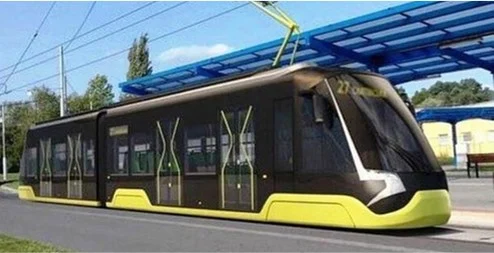
Main Facts: A Strategic Investment in Urban Infrastructure
Kharkiv, Ukraine’s second-largest city, is poised for a transformative shift in its public transport landscape. The European Investment Bank (EIB) has formally proposed a EUR 75 million loan to support the "Kharkiv Tram Project," an initiative with a total eligible cost of EUR 100 million. This project is not merely an equipment upgrade; it represents a comprehensive overhaul of the city’s aging electric transit network, focusing on the procurement of modern, low-floor tramcars and the essential infrastructure required to maintain and operate them efficiently.
The core objective is to replace outdated rolling stock—some of which has been in service for decades—with locally manufactured, technologically advanced vehicles. By fostering a domestic production ecosystem, Kharkiv aims to modernize its urban mobility, reduce its carbon footprint, and stimulate the local industrial economy. The initiative is a cornerstone of the city’s broader strategy to integrate sustainable, high-capacity transport solutions that meet the evolving needs of its residents.
Chronology: From Concept to Reality
The journey toward a revitalized tram network began with a recognition of systemic obsolescence.
- 2020: The DCH Group, spearheaded by businessman Aleksandr Yaroslavskyi, announced its commitment to the "Ecopolis HTZ" (Hi-Tech Zone) initiative. A pivotal element of this industrial park project was the creation of a manufacturing hub for modern, low-floor trams. DCH committed an initial EUR 5.5 million toward design, manufacturing, and commissioning.
- Early 2021: Acting Mayor Ihor Terekhov officially signaled the city’s intent to collaborate with DCH. Faced with the prohibitive costs of importing foreign-made rolling stock, the city government opted to leverage local manufacturing capacity to achieve fleet renewal.
- September 2021: The city unveiled its first locally assembled tramcar, marking a significant milestone in the public-private partnership.
- 2022 and Beyond: While the original trajectory aimed for full-scale operational status in 2022, the project has remained a critical focal point for Kharkiv’s infrastructure resilience, with ongoing negotiations regarding the EIB loan providing the financial backbone for sustained procurement and infrastructure expansion.
Supporting Data: Addressing the Crisis of Obsolescence
The urgency of the Kharkiv Tram Project is underscored by stark statistics regarding Ukraine’s national transport infrastructure. Nationwide, the situation is critical: more than 90% of the existing tram fleet is over 20 years old, and over 50% of the fleet is considered to be in urgent need of replacement. This chronic underinvestment has led to frequent service disruptions, high maintenance costs, and a general decline in the quality of urban mobility.
The EIB’s involvement is predicated on a rigorous appraisal of the project’s economic viability. By committing EUR 75 million, the bank recognizes the systemic benefit of shifting toward energy-efficient, low-floor vehicles.
Production Capacity and Technical Standards
The newly established manufacturing facility at Ecopolis HTZ is designed with scalability in mind. The initial target is to produce 50 tramcars per year, a rate that can be adjusted upward based on domestic and regional market demand. To ensure that these vehicles meet international standards, DCH Group has secured engineering and consulting support from Czech partners—a country renowned for its robust tramway manufacturing heritage. This transfer of technical expertise is expected to bridge the gap between legacy Soviet-era manufacturing practices and modern European quality benchmarks.
Official Responses and Strategic Partnerships
The project stands as a textbook example of a successful public-private partnership (PPP).
The City’s Vision
Acting Mayor Ihor Terekhov has been the primary champion of this project. According to his office, the introduction of the new trams is the "silver bullet" for the city’s surface public transport system. Terekhov has consistently emphasized that the decision to manufacture locally is a matter of economic pragmatism. "We cannot afford to purchase foreign-made trams at the prices currently demanded by international suppliers," the Mayor noted during the 2021 launch. "By building these in Kharkiv, we are not just saving money; we are creating jobs, developing our own industrial capacity, and ensuring that our transport system is sustainable for the next generation."

The Role of Ecopolis HTZ and DCH Group
For Aleksandr Yaroslavskyi and the DCH Group, the project is part of a wider industrial redevelopment strategy. Ecopolis HTZ is envisioned as a center for high-tech industrial growth, and the tram manufacturing plant is its flagship enterprise. By integrating design, engineering, and manufacturing under one roof, the group aims to shorten the supply chain and reduce the dependency on foreign imports. The involvement of Czech consultants serves as a quality assurance mechanism, ensuring that the final product is competitive not just in Kharkiv, but potentially in other Ukrainian cities facing similar fleet replacement needs.
Implications: A Model for National Renewal
The implications of the Kharkiv project extend far beyond the city limits.
Economic Impact
The establishment of a high-capacity tram manufacturing plant serves as a catalyst for the local economy. It creates high-skilled jobs in engineering, assembly, and maintenance, while simultaneously creating a secondary market for components and spare parts. This "multiplier effect" is crucial for a city looking to diversify its industrial base away from older, heavy manufacturing toward modern, specialized transport solutions.
Urban Mobility and Sustainability
The transition to low-floor, modern trams is a win for accessibility and sustainability. Low-floor designs are essential for ensuring that public transport is accessible to elderly citizens, passengers with disabilities, and families with strollers. Furthermore, the increased energy efficiency of modern electric motors contributes to a reduction in the city’s overall carbon footprint, aligning Kharkiv with broader European goals for green urban transport.
Scaling to the National Level
Perhaps the most significant implication is the potential for domestic market disruption. As Kharkiv proves that it can produce reliable, affordable trams, it positions itself as the primary supplier for other Ukrainian municipalities. Cities across the country, many of which share the same aging infrastructure, are closely watching the Kharkiv experiment. If the project succeeds in scaling, it could effectively end the era of reliance on expensive, imported rolling stock, creating a self-sustaining cycle of domestic production and infrastructure renewal that could reshape Ukrainian urban transit for decades to come.
Challenges and Future Outlook
Despite the optimistic projections, the project faces the inherent challenges of large-scale infrastructure development. Navigating the administrative requirements for the EIB loan, maintaining supply chain stability for specialized components, and ensuring the long-term reliability of the new fleet are all hurdles that require sustained focus.
However, the collaboration between the EIB, the City Council, and private investors provides a robust framework for overcoming these obstacles. The project is a testament to the resilience of Kharkiv’s urban planning and its commitment to modernization. As the city continues to integrate these new vehicles into its daily life, it offers a blueprint for how mid-sized industrial cities can navigate the transition toward a more efficient, inclusive, and sustainable future.
The Kharkiv Tram Project is more than a procurement contract; it is a declaration of industrial independence and a commitment to the well-being of the city’s commuters. With the proposed financial backing from the European Investment Bank and the technical foundation laid by the DCH Group, the project stands as one of the most significant infrastructure developments in modern Ukraine, promising a cleaner, faster, and more accessible urban environment.

