

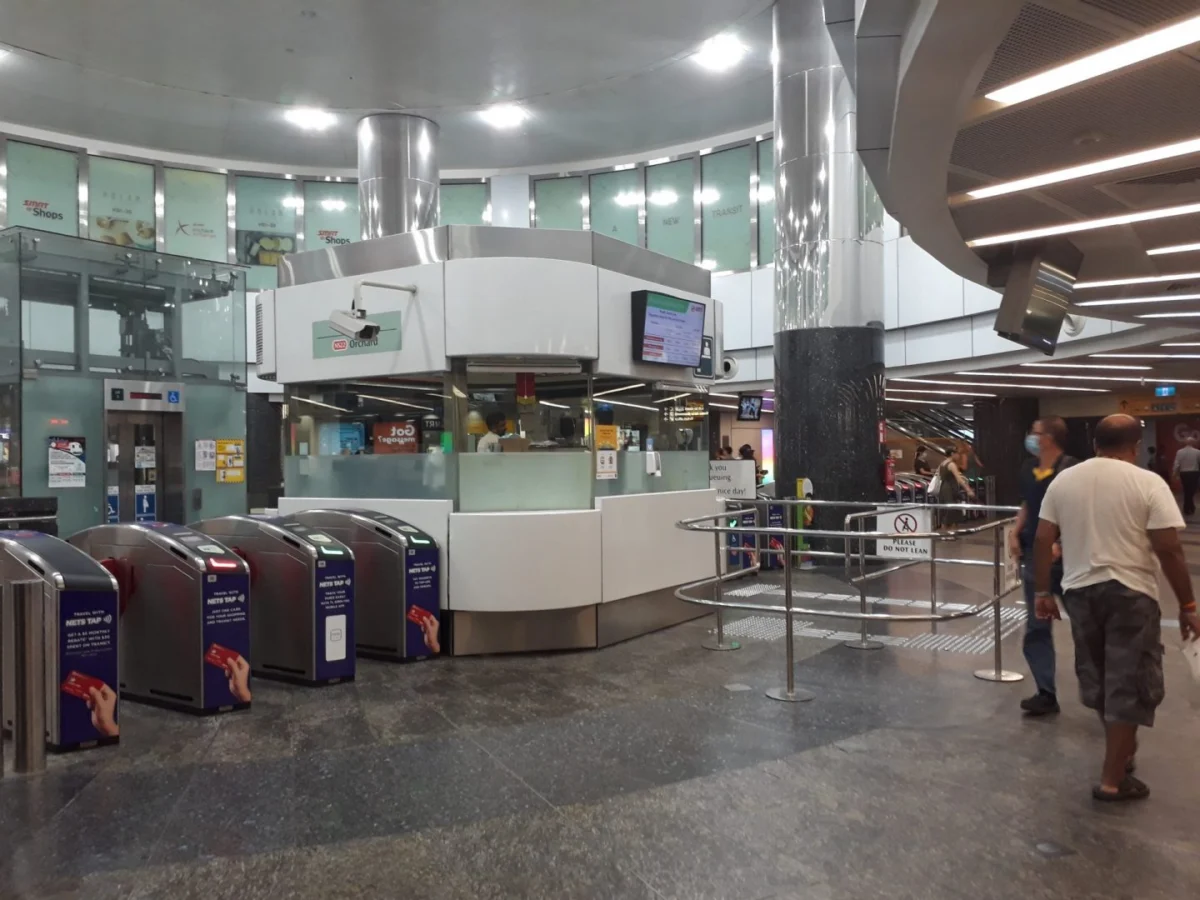
As Singapore continues its trajectory toward becoming a “Smart Nation,” the Land Transport Authority (LTA) has announced a definitive move to modernize the city-state’s public transit fare system. Beginning in early 2022, the LTA officially commenced the phase-out of the traditional “standard ticket”—the physical, single-trip paper card that has served commuters for decades—in favor of a fully digitized, account-based ticketing (ABT) ecosystem.
This transition marks a significant shift in urban mobility, signaling the end of an era for ticket vending machines that accept cash for one-off rail journeys. By prioritizing contactless payment and stored-value cards, the LTA aims to streamline operations, reduce waste, and provide passengers with a more cost-effective and seamless travel experience.
The Evolution of Fare Payment: A Chronology
The decline of the standard ticket did not happen overnight; it is the culmination of a decade-long strategy to digitize Singapore’s public transport infrastructure.
- 2019: The Advent of SimplyGo: The LTA introduced account-based ticketing (ABT) in 2019, allowing commuters to use contactless bank cards, mobile wallets (including Apple Pay, Google Pay, and Samsung Pay), and account-based EZ-Link cards. This removed the need for traditional top-ups, as fares were charged directly to the user’s bank account or mobile payment platform.
- Late 2021: Preparing for Transition: Recognizing that less than 0.1% of all public transport trips—fewer than one in 1,000—were being paid for with standard tickets, the LTA set a hard deadline for their retirement.
- January–March 2022: Phased Implementation: The rollout began on the Thomson-East Coast and Downtown Lines, chosen specifically because they recorded the lowest volume of standard ticket sales. During this period, the LTA deployed station staff to guide commuters toward modern alternatives.
- Post-March 2022: The standard ticket was officially phased out across the entire MRT and LRT network, completing the transition to a cashless rail system.
The Economic Argument: Why the Standard Ticket Had to Go
The primary driver for this shift is not merely technological advancement but economic equity. For years, the LTA has sought to bridge the gap between casual commuters and frequent travelers.
Standard tickets, designed for convenience for tourists or occasional users, carried a hidden “convenience tax” that made them significantly more expensive than other payment methods. For example, a 3.2-kilometer rail journey cost a standard ticket user SGD 1.70 (approx. USD 1.25). In contrast, a commuter using a stored-value card or an ABT option paid only SGD 0.92 (approx. USD 0.68) for the exact same distance.
By phasing out the standard ticket, the LTA is effectively steering all commuters toward cheaper payment models. This shift ensures that even infrequent users benefit from the subsidized rates previously reserved for those who had the capital to purchase and maintain a stored-value card.
Supporting Data and User Trends
The adoption of digital ticketing has been remarkably swift. Since the launch of ABT, the take-up rate has climbed steadily, reaching approximately 19% of all adult bus and rail rides within the first two years.
Currently, the vast majority of Singapore’s commuters rely on a robust ecosystem of digital and semi-digital payment options:
- Stored-Value Cards: EZ-Link and NETS FlashPay remain the backbone of the system for many, offering the ease of a physical card without the per-trip surcharge of a standard ticket.
- Concession Cards: These remain the primary vehicle for students, seniors, and low-income individuals to access heavily discounted fares.
- Account-Based Ticketing (ABT): This is the fastest-growing segment, reflecting the broader global trend toward “tap-and-go” mobile payments.
The data provided by the LTA suggests that the reliance on legacy systems was largely a matter of habit rather than necessity, as even the most traditional segments of the population have shown a high capacity for transitioning to contactless platforms when provided with the right support.
Ensuring Social Inclusion: Protecting Vulnerable Commuters
One of the most critical aspects of the LTA’s transition plan was the recognition that a fully digital system could alienate vulnerable groups, including the elderly, low-income households, and migrant workers who may lack access to mobile banking or credit cards.
To mitigate this, the LTA implemented several social safeguards:

Lowering the Barrier to Entry
The LTA significantly reduced the minimum cash top-up amount for stored-value cards at ticketing machines. Previously, adults were required to top up at least SGD 10, and students SGD 5. The new, reduced minimum of SGD 2 ensures that commuters with limited cash flow are not excluded from the system. This adjustment provides a vital safety net for those who cannot afford to keep a large balance on their cards.
Proactive Outreach and Support
The authority worked closely with social service offices, community centers, and worker dormitories to educate these populations on the benefits of switching to stored-value cards. By placing posters and providing hands-on assistance at key touchpoints, the LTA ensured that the digital divide did not become a transit divide.
Targeted Assistance for the Needy
A notable initiative was the provision of free adult EZ-Link cards to ComCare recipients who did not already possess a concession card. Starting in September 2021, these individuals were able to redeem their cards at any of the 48 TransitLink Ticket Offices or Concession Card Replacement Offices, ensuring they had the necessary hardware to participate in the new system without any out-of-pocket costs.
Implications for the Future of Urban Mobility
The elimination of standard tickets is not just a change in ticketing; it is a fundamental shift in how Singapore manages its transport network.
Operational Efficiency
By removing the need for ticket vending machines to process cash and print paper cards, the LTA reduces the maintenance costs associated with complex, mechanical hardware. Physical ticket machines are prone to jamming, require frequent replenishment of paper stock, and necessitate expensive cash-handling security measures. Moving to an entirely digital system streamlines station operations and allows for better allocation of staff toward customer service rather than machine maintenance.
Data-Driven Planning
Account-based ticketing provides the LTA with a wealth of real-time data. Unlike paper tickets, which offer limited insights into passenger origin-destination patterns, ABT allows the LTA to map commuter flows with granular precision. This data is invaluable for optimizing bus routes, adjusting train frequencies, and planning future infrastructure projects to meet actual demand rather than estimated usage.
Sustainability and Environmental Impact
The environmental implications of the transition are substantial. Millions of physical tickets were printed every year, contributing to paper waste and energy consumption. By shifting to reusable cards and mobile-based tokens, the LTA has taken a meaningful step toward reducing the carbon footprint of its daily operations.
Conclusion: A Model for Global Cities
Singapore’s move to phase out standard tickets is a bold, decisive, and necessary step toward a modern, inclusive, and efficient public transport system. While the convenience of the “tap-and-go” lifestyle is evident, the true success of this initiative lies in the LTA’s commitment to ensuring that the transition does not leave the most vulnerable members of society behind.
By balancing technological ambition with social responsibility, Singapore has provided a blueprint for other global cities looking to digitize their public transit infrastructure. As the city-state continues to innovate, the focus will likely shift toward further integrating transit payments with broader government services, eventually creating a singular, unified platform that powers the daily life of every resident.
The sunset of the standard ticket is more than just a minor administrative update; it is a symbol of a nation that is confident in its ability to leverage technology to improve the quality of life for its citizens, ensuring that the path forward is as smooth and efficient as the trains that traverse the island.

