

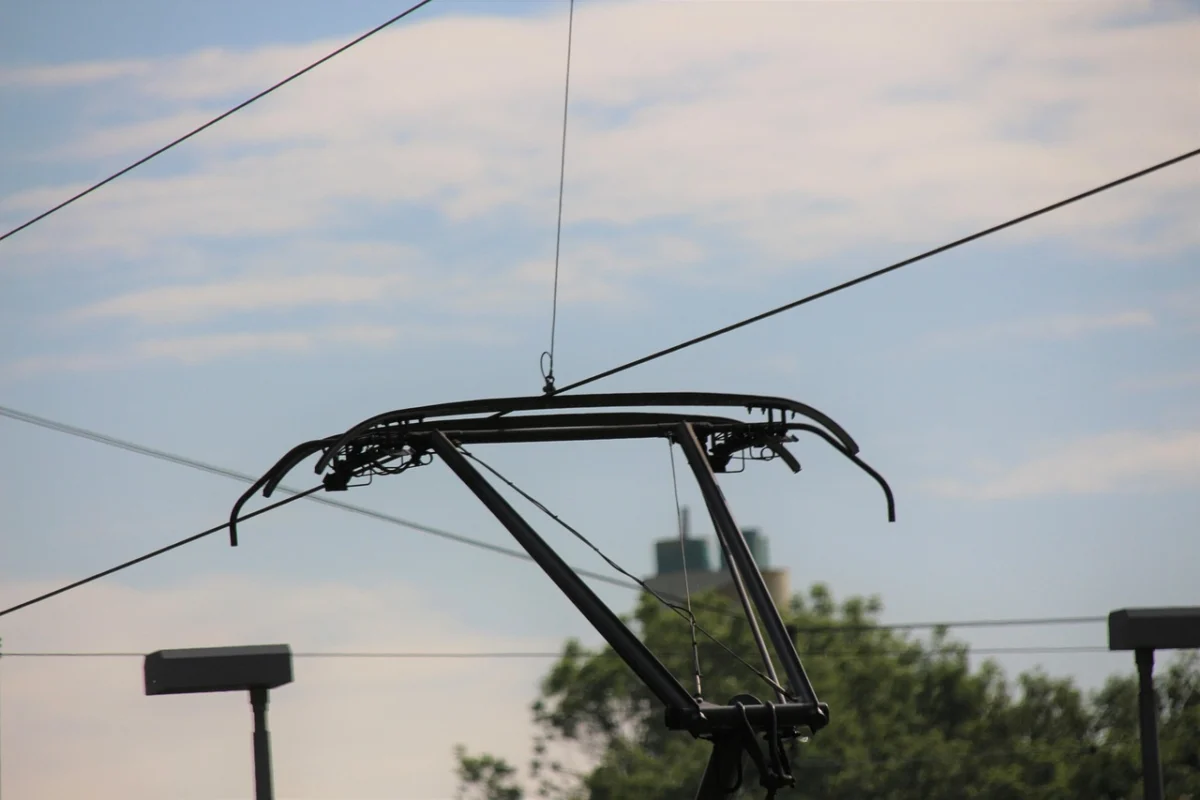
In a move that signals a transformative chapter for regional connectivity, the European Commission has officially greenlit funding for the electrification of the railway segment connecting Iași, Romania, and Ungheni, Moldova. This milestone project, supported by the Connecting Europe Facility (CEF), represents more than just an infrastructure upgrade; it is a vital bridge facilitating Moldova’s deeper integration into the European Union’s transport corridors and a definitive shift toward sustainable mobility in Eastern Europe.
The Core Project: A Strategic Link
The project focuses on the 25-kilometre Iași–Ungheni railway line, a strategic artery that includes the critical cross-border bridge over the Prut River. The scope of work encompasses comprehensive electrification and full rehabilitation of the track, ensuring the line meets modern European standards.
Of the 25 kilometres slated for modernization, 21 kilometres are situated on Romanian territory, underscoring the collaborative nature of this initiative between EU member state Romania and candidate country Moldova. By electrifying this segment, the project effectively closes a logistical gap, enabling seamless rail movement across the border and facilitating more efficient transit between the two nations.
Chronology: From Proposal to Operational Goal
The journey toward this electrification project reflects a concerted effort by Moldovan authorities to align with European infrastructure benchmarks.
- January 2025: The Moldovan Ministry of Infrastructure and Regional Development (MIDR) submitted a comprehensive proposal for the Iași–Ungheni electrification under the Connecting Europe Facility. The application was subjected to rigorous evaluation against 258 other project proposals from across the EU and partner nations.
- March 2025 (Selection): The European Commission confirmed the project’s selection as one of 94 initiatives to receive funding from a massive EUR 2.8 billion investment package designed to enhance the Trans-European Transport Network (TEN-T).
- October 2025 (Anticipated): The official signing of the financing agreements is scheduled, cementing the legal and financial commitments between the participating parties.
- June 2026: Construction and site works are projected to commence. This phase will involve the installation of catenary systems, track upgrades, and the structural reinforcement of the Prut River bridge.
- June 2028: The target date for project completion. Upon its conclusion, the electrified line is expected to enter full commercial service, drastically altering the travel landscape between Iași and Ungheni.
Technical Specifications and Performance Metrics
The modernization of the Iași–Ungheni segment is not merely about adding electricity to existing tracks; it is about a wholesale upgrade of technical capabilities. The Ministry of Infrastructure and Regional Development has highlighted several key performance indicators (KPIs) that will define the success of this endeavor:
Enhanced Velocity
Currently, regional rail transit is hampered by speed restrictions that make rail travel less competitive than road transport. Once the upgrade is completed, passenger trains will be capable of reaching speeds of up to 140 km/h. For the freight sector, the line will support operations at 80 km/h. These speed improvements are expected to reduce transit times significantly, offering a viable alternative to the time-consuming border procedures and road congestion that often plague current logistics routes.
Reliability and Cost Efficiency
Beyond speed, the project addresses the "bottleneck" nature of the current infrastructure. Frequent mechanical issues and the reliance on aging rolling stock have historically hindered reliability. Modernizing the track geometry and power supply will drastically reduce operational costs for rail operators. By stabilizing the link, Moldova can move toward more predictable freight schedules, attracting more international logistics companies to utilize the rail route.
Environmental Impact
Perhaps the most significant long-term benefit of this project is its contribution to the "Green Deal" objectives. By transitioning from diesel-dependent locomotives to electric traction, the project will lead to a substantial reduction in carbon emissions. As the EU pushes for a shift from road to rail to meet its 2050 climate neutrality goals, this electrification serves as a localized blueprint for sustainable infrastructure development in Moldova.
Official Responses and Strategic Significance
The announcement has been met with broad acclaim from government officials and industry experts, who view it as a litmus test for Moldova’s administrative capacity to manage large-scale EU projects.
A spokesperson for the Moldovan Ministry of Infrastructure stated, "This project is not just a technical upgrade; it is a symbol of our European path. By connecting our rail network to the European grid, we are physically anchoring Moldova to the EU’s transport system, fostering trade, and facilitating the movement of people."
Analysts at the European Commission noted that the project was selected due to its high "value-added" potential. By facilitating cross-border transit, the Iași–Ungheni line is expected to act as a catalyst for economic growth in the Ungheni region, which serves as a major gateway for goods entering Moldova from the West.
Implications for the Future: A Gateway to Europe
The implications of the Iași–Ungheni project extend far beyond the 25-kilometre stretch of track.
Strengthening Ties
The project is a tangible manifestation of the political and economic integration between Moldova and Romania. As the two countries share a common language and deep cultural ties, the improvement of the rail link serves to humanize the border, making travel easier for families, students, and workers. It removes the physical barriers that have long kept Moldova’s rail network isolated from its Western neighbors.
A Template for Future Projects
This success sets a precedent for future infrastructure applications. By demonstrating the ability to successfully navigate the EU’s complex funding application process, Moldova positions itself as a credible partner for future CEF and regional development fund allocations. The government is already looking ahead to the potential electrification of other segments, aiming to eventually modernize the entirety of its primary rail corridors.
Economic Resilience
In the current geopolitical climate, the ability to maintain resilient supply chains is paramount. With the war in Ukraine disrupting traditional trade routes, Moldova has had to pivot its logistics strategy. A high-capacity, electrified rail connection to Romania ensures that Moldova remains a viable transit hub for regional trade. It provides a more stable, cost-effective, and environmentally sustainable path for imports and exports, insulating the national economy against the volatility of global energy and transport markets.
Conclusion: The Path Ahead
The electrification of the Iași–Ungheni railway is a landmark development that marks the beginning of a new era for Moldovan transportation. As the country moves toward its goal of EU integration, the reliability, speed, and sustainability offered by this modern rail link will become an essential component of its national infrastructure strategy.
While 2028 may seem distant, the intervening years of construction represent a period of intensive investment, engineering expertise, and bilateral cooperation. If delivered on schedule, this project will stand as a testament to the power of European solidarity and Moldova’s unwavering commitment to building a modern, efficient, and sustainable future. The tracks laid down between Iași and Ungheni will carry not only cargo and passengers but also the aspirations of a nation looking firmly toward the European horizon.

