

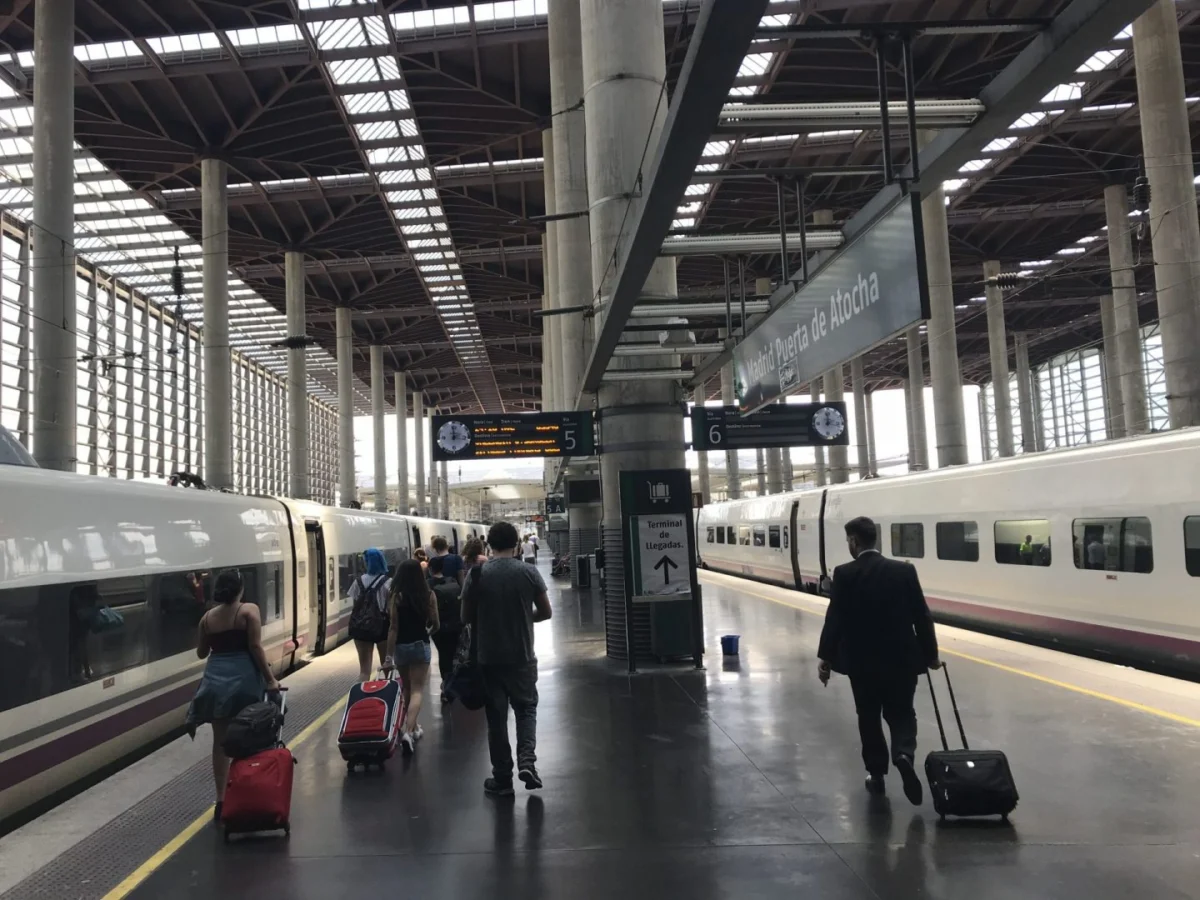
In a landmark move set to redefine the Spanish transportation landscape, national rail operator Renfe has officially awarded a five-year, multi-million euro contract to a consortium comprising Siemens Mobility and the consulting firm everis. The objective is ambitious yet transformative: to design, develop, and operate a comprehensive, countrywide Mobility as a Service (MaaS) platform. This digital ecosystem aims to consolidate the fragmented world of Spanish transit into a single, intuitive mobile application, allowing users to plan, book, and pay for multimodal journeys seamlessly.
Main Facts: The Scope of the Digital Transformation
The MaaS platform represents a paradigm shift in how Spaniards interact with public and shared transportation. By integrating a vast array of mobility services—including national rail, metropolitan metros, municipal buses, bicycle-sharing schemes, car-sharing services, and electric scooters—Renfe is positioning itself as the primary orchestrator of the country’s transit infrastructure.
The platform is designed to be the ultimate travel companion. For a commuter in Madrid or a tourist in Seville, the application will provide real-time route optimization, enabling users to compare travel times, costs, and environmental impacts across different transport modes. Once a preference is selected, the integrated payment gateway will allow for a single transaction, removing the friction traditionally associated with switching between transit operators.
The rollout is expansive, targeting 27 major Spanish cities. This includes the country’s primary metropolitan hubs: Madrid, Barcelona, Valencia, Bilbao, and Sevilla. By focusing on these high-density areas, the consortium aims to capture a significant percentage of daily urban and intercity travel, effectively turning Renfe’s digital interface into the "front door" of Spanish mobility.
Chronology: From Concept to National Integration
The project follows years of digital experimentation within the European transport sector. The timeline for this initiative is structured to ensure a phased, stable transition toward full operational capacity:
- Pre-Contractual Phase: Renfe identified the need for a unified digital identity to combat the inefficiencies of siloed transport data. Following a competitive tender process, the operator evaluated global leaders in digital mobility.
- The Partnership Formation: Recognizing the need for both technological depth and commercial scalability, Siemens Mobility joined forces with everis. The partnership leverages Siemens’ technical prowess in intermodal software with everis’s localized expertise in integration, regulatory compliance, and market penetration.
- The Five-Year Development Horizon: The contract dictates a rigorous five-year operational roadmap. Initial phases focus on software architecture and the integration of APIs (Application Programming Interfaces) with various public and private transit providers across the 27 designated cities.
- Phased Rollout: While full integration will take time, the platform is designed for iterative updates, ensuring that users in key corridors gain access to enhanced features as the backend architecture matures.
Supporting Data: Economic and Operational Projections
The business case for the MaaS platform is grounded in robust growth projections. Renfe has released detailed forecasts that highlight the potential for the platform to act as a catalyst for increased rail patronage and overall revenue generation.
Growth in Passenger Volume
Renfe estimates that the MaaS platform will serve as a powerful acquisition tool, attracting at least 650,000 new customers to the rail network within the first five years of operation. These new users are expected to generate approximately 1.8 million additional trips, creating a ripple effect that boosts ridership across the primary national corridors.
Revenue Projections
The financial impact is expected to be significant. By streamlining the user experience and encouraging "last-mile" connectivity (linking train stations to final destinations via scooter, bus, or bike), Renfe anticipates an increase in ticket sales of between 3% and 4% on its main corridors. When combined with ancillary revenue from the integrated booking system, the project is projected to generate up to EUR 156 million in additional income over the five-year period.
Technical Expertise
The technology stack powering this initiative is not experimental. It is backed by the global experience of Siemens Mobility’s subsidiaries:
- Hacon: Renfe will utilize the HAFAS trip planning software, an industry gold standard.
- eos.uptrade, Bytemark, and Padam Mobility: These entities contribute specialized expertise in ticketing, digital payments, and on-demand transit services.
- Proven Track Record: This technology has already been deployed successfully in complex urban environments, including Dubai, Luxembourg, Andorra, Denmark, and the San Francisco Bay Area, providing a foundation of reliability and scalability.
Official Responses and Strategic Vision
The collaboration between Renfe, Siemens Mobility, and everis is viewed by industry analysts as a benchmark for how national rail operators must evolve in the 21st century.

Agustin Escobar, CEO of Siemens Mobility Spain and the Southwest Europe region, emphasized the passenger-centric philosophy driving the project: "MaaS is a very passenger-centered approach and significantly enhances the passenger experience for travelers throughout Spain. It will contribute to making sustainable modes of transportation more attractive. Renfe is shaping the future of mobility in Spain and we’re proud to be part of this journey."
The partnership relies on a clear division of labor. Siemens Mobility provides the "brain" of the operation—the complex algorithms that calculate routes and handle intermodal logistics—while everis provides the "connective tissue." Everis is tasked with the critical role of system integration, ensuring that the platform complies with Spanish legal standards, manages marketing efforts to drive adoption, and provides ongoing technical support to the commercial operation.
Implications: A New Era for Spanish Transit
The launch of this platform has profound implications for the future of transportation in Spain and the broader European market.
Sustainability and the "Green Shift"
One of the core drivers of this platform is the reduction of private vehicle dependency. By making public and shared transport easier to navigate than driving a personal car, Renfe is directly contributing to Spain’s environmental goals. The platform allows users to view the carbon footprint of their journeys, nudging travelers toward greener, more efficient transit options.
The Death of Siloed Transit
Historically, transit providers have operated in silos. A train operator, a bus company, and a bike-share startup often had different ticketing systems and data structures. This project forces these entities to communicate through a unified API. For the passenger, the distinction between a state-run train and a private scooter becomes irrelevant; the focus shifts entirely to the ease of movement from Point A to Point B.
Competitive Pressure and Innovation
By creating a unified digital marketplace, Renfe is essentially setting the standard for all other transport providers in the region. Smaller, independent operators will now have a clear pathway to integrate into the national ecosystem, provided they can meet the technical requirements of the MaaS platform. This will likely spark a wave of innovation in regional transport, as companies compete to be featured prominently on the Renfe-led application.
Challenges Ahead
While the outlook is positive, the consortium faces significant challenges. The integration of 27 distinct metropolitan transit networks requires extensive coordination with local municipalities, many of which may have their own legacy systems. Furthermore, building a platform that is truly intuitive requires constant user feedback and rapid iterative development. The legal and regulatory complexities of managing a multi-provider payment system also cannot be underestimated, which is where the expertise of everis will be put to the ultimate test.
Conclusion: The Road to Seamless Mobility
The collaboration between Renfe, Siemens Mobility, and everis is more than just a software contract; it is a strategic move to secure the future of Spanish transit in an increasingly digital world. As the boundaries between public, private, and shared transport continue to blur, the demand for integrated solutions will only grow.
By successfully executing this vision, Renfe is not only ensuring its own commercial survival and growth but is also providing a blueprint for national rail operators across the globe. As the platform begins its rollout, all eyes will be on Spain to see if this ambitious digital infrastructure can successfully shift the habits of millions and usher in a new era of efficient, sustainable, and highly personalized travel.
The integration of 27 cities, the ambitious revenue targets, and the reliance on proven global technology suggest that this is not a pilot project, but a definitive step toward the modernization of Spanish infrastructure. The next five years will be a defining period, marking the transformation of Renfe from a train operator into a comprehensive mobility service provider, forever changing the way citizens move across the Iberian Peninsula.

