

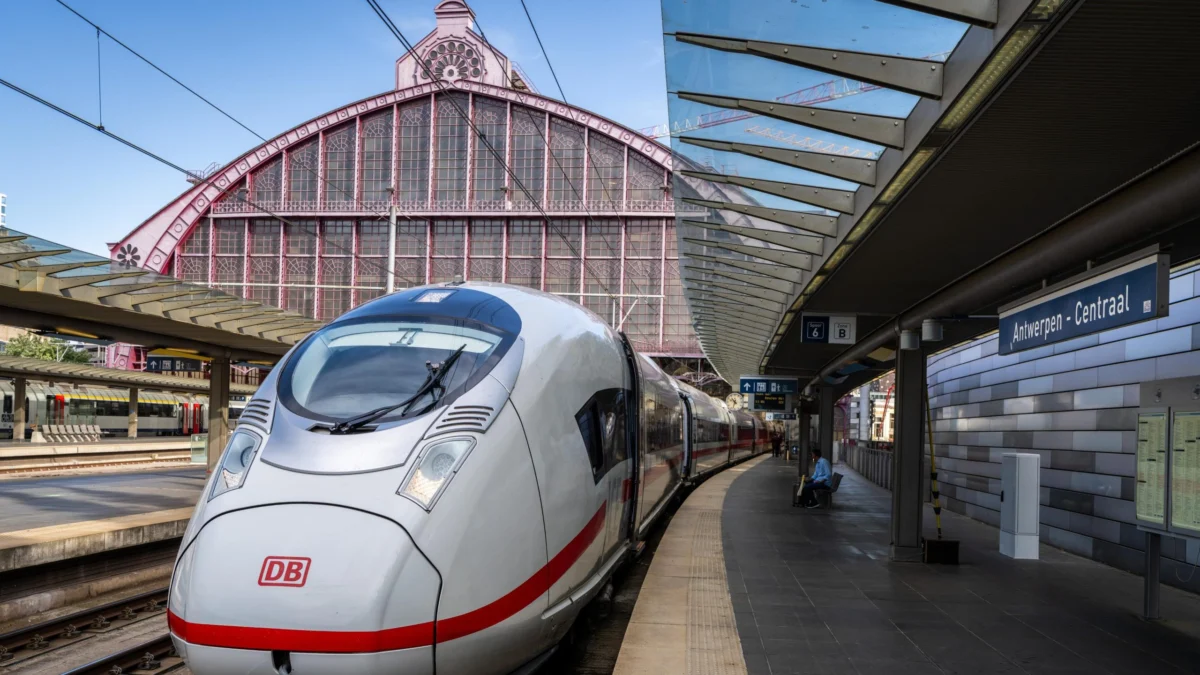
In a strategic move to bolster cross-border mobility and reduce reliance on short-haul aviation, Deutsche Bahn (DB) has officially inaugurated a new direct high-speed rail service connecting Germany with Belgium. This latest expansion of the ICE (InterCity Express) network marks a significant milestone in European transport connectivity, specifically targeting the seamless integration of rail travel with major international air hubs. By deploying its state-of-the-art ICE 3neo trainsets, DB is effectively bridging the gap between Cologne and the Belgian centers of Antwerp and Brussels Airport, providing a sustainable alternative for both business and leisure travelers.
Main Facts: A Seamless Corridor Between Hubs
The new service, which commenced operations to widespread acclaim, provides two daily return journeys connecting Cologne Central Station with Antwerp Centraal. This route is not merely a point-to-point connection but a carefully curated transit corridor designed to integrate secondary hubs into the broader European high-speed network.
The service route includes critical stops in Aachen, Liège, and Leuven, the latter of which gains a vital daily direct link to the German rail network for the first time. The journey from Cologne to Brussels Airport is timed for optimal efficiency, clocking in at approximately two hours. This timing is particularly advantageous for long-haul international travelers, as the morning service arrives at Brussels Airport at 08:29, aligning perfectly with the departure windows of major intercontinental flight schedules.
Central to this initiative is the deployment of the Siemens-manufactured ICE 3neo trains. These units represent the pinnacle of modern rail engineering, offering enhanced reliability, passenger comfort, and technical flexibility required for the varied electrical and signaling standards across European borders.
Chronology: The Evolution of a Cross-Border Vision
The launch of this connection is the latest chapter in a multi-year effort to revitalize the rail links between Germany and its neighbors.
- 2019–2025: The Growth Phase: Data from the preceding six years highlighted a clear trend: demand for cross-border rail travel between Germany and Belgium surged by approximately 18%. This consistent growth signaled to Deutsche Bahn that the market was ripe for higher-frequency, direct connections.
- Early 2026: Preparation and Infrastructure Alignment: Following the sustained increase in ridership, DB accelerated negotiations with Belgian rail authorities to secure slots and harmonize operational standards.
- Summer 2026: Expanding the Footprint: Before the launch of the Antwerp-Brussels route, DB demonstrated its commitment to the region by introducing a new ICE service between Cologne and the coastal city of Ostend, setting the stage for the broader expansion into the heart of Belgium.
- September 2026: Official Launch: The Cologne–Antwerp–Brussels Airport line officially opened, representing the first time Brussels Airport has been integrated directly into the ICE network.
Supporting Data: The Shift Toward Rail
The shift toward rail is backed by compelling economic and social data. The 18% growth in passenger numbers between 2019 and 2025 is not an anomaly but a reflection of the "Green Deal" era, where passengers are increasingly sensitive to the carbon footprint of their transit choices.

The integration of these services is supported by a sophisticated "Rail&Fly" model. By partnering with Brussels Airlines, Deutsche Bahn has adopted a booking structure similar to the successful Lufthansa Express Rail offer. This model allows passengers to book their train journey and flight as a single, cohesive itinerary. This intermodal approach mitigates the anxiety of missed connections; in the event of a train delay, passengers on a combined ticket are protected by rebooking guarantees, a feature that significantly lowers the barrier to entry for travelers who might otherwise default to regional flights.
Official Responses and Strategic Vision
The leadership at Deutsche Bahn has framed this launch as a cornerstone of their long-term modernization strategy. Michael Peterson, a member of DB’s executive board responsible for long-distance passenger rail transport, emphasized the dual-hub nature of the new service.
"With our most modern trains, we are connecting two major transport hubs to the ICE services: Cologne, as a hub for international rail traffic, and Brussels Airport, as an international hub for onward travel by air," Peterson noted. His statement underscores a shift in how DB views its role—not just as a domestic carrier, but as an integral component of the global travel ecosystem.
The partnership with Brussels Airlines is equally pivotal. By folding rail into the airline’s booking system, the project effectively turns the ICE train into a "feeder" for intercontinental air travel. This reduces the number of short-haul feeder flights—often the most carbon-intensive and least efficient legs of a journey—and replaces them with electrified, high-speed rail.
Implications for European Connectivity
The implications of this new service extend far beyond the convenience of individual passengers.
1. Environmental Impact
The European Union’s commitment to the European Green Deal necessitates a significant reduction in transport-related emissions. By providing a competitive alternative to regional flights between Cologne/Frankfurt and Brussels, DB is helping to lower the average emissions per passenger kilometer. The ICE 3neo, known for its energy efficiency and optimized aerodynamics, serves as the vanguard of this transition.

2. Economic Integration
For cities like Leuven and Aachen, the economic impact of being linked directly to a major international airport cannot be overstated. Business travelers and academics in these regions now have a frictionless path to the global market via Brussels Airport, while the connection to Antwerp—a global center for trade and logistics—further strengthens the Rhine-Scheldt economic corridor.
3. The Future of Intermodal Travel
The success of this project will likely serve as a blueprint for future European infrastructure projects. The model of "Joint Codeshare" between rail operators and airlines is gaining momentum. As digital ticketing becomes more sophisticated, the distinction between a "train passenger" and an "air passenger" is blurring. Passengers increasingly demand a "door-to-door" experience where the modality of transport is secondary to the reliability and comfort of the transit.
4. Operational Challenges
Integrating a high-speed service into the busy Belgian rail network requires precise scheduling and coordination between Deutsche Bahn and Infrabel, the Belgian rail infrastructure manager. The use of the ICE 3neo is a technical necessity here; the train’s multi-system capabilities allow it to transition between the different voltage systems used in Germany and Belgium without losing speed or requiring complex locomotive changes at the border.
Conclusion: Setting the Pace for Tomorrow
As the European rail network continues to expand, the Cologne-Antwerp-Brussels connection stands as a testament to what is possible when infrastructure, technology, and strategic partnerships converge. By prioritizing the passenger experience—through combined booking, modern trainsets, and strategic routing—Deutsche Bahn is proving that rail can successfully compete with, and even complement, air travel.
As the industry looks toward the late 2020s, the focus will likely shift to expanding these "intermodal hubs" even further. With the proven success of the 18% growth in passenger demand, it is highly probable that more European cities will seek to emulate the Cologne-Brussels connection, ultimately fostering a more connected, efficient, and sustainable continent. The ICE 3neo, gliding quietly through the landscapes of North Rhine-Westphalia and Flanders, is more than just a train; it is the physical manifestation of a more integrated European future.

