

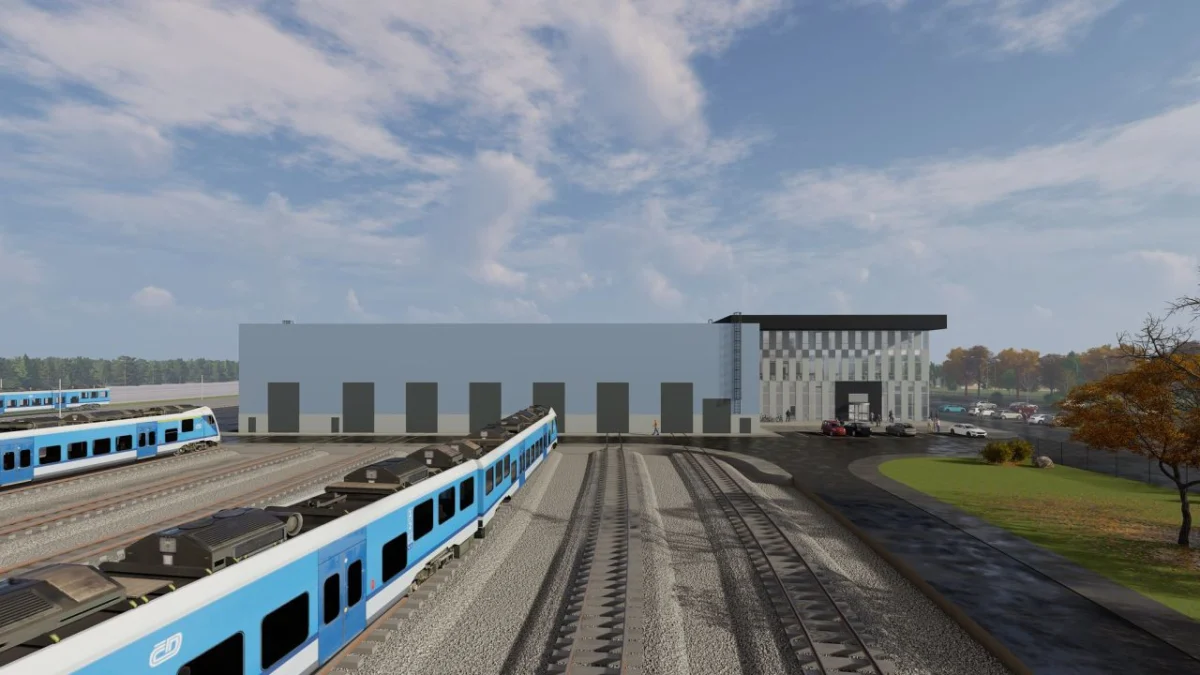
Rail Baltic Estonia has officially set in motion the development of what is poised to become the largest and most technologically advanced rolling stock depot in the Baltic region. Located in the Soodevahe area of Harju, Estonia, this massive infrastructure project is designed to serve as the heartbeat of the Rail Baltica high-speed network. With a projected completion date by the end of 2028, the facility represents a cornerstone in the modernization of Northern Europe’s rail infrastructure, aiming to centralize all maintenance, repair, and operational logistics for the high-speed trains that will redefine travel between the Baltic states and the rest of Europe.
Main Facts: A Hub of Engineering Excellence
The project, valued at approximately EUR 41.33 million (excluding VAT), is far more than a simple parking space for trains. It is a comprehensive maintenance ecosystem. The facility is being engineered to accommodate the complex requirements of modern high-speed rail, capable of supporting the simultaneous maintenance of up to six high-speed trainsets or twelve regional trainsets.
The scope of the project is immense. The primary depot building will be divided into two distinct functional volumes: a central, high-capacity maintenance and repair hall and a three-story administrative headquarters. The internal architecture of the main hall will feature eight specialized service lines, providing a cumulative usable length of 1,380 meters. This ensures that even the longest international express trains can be serviced in a climate-controlled, precision-engineered environment.
Complementing the indoor capacity, the site will feature an additional six service lines located externally. These lines are designated for daily operational tasks, including exterior cleaning, routine technical equipping, and overnight parking. Furthermore, the site plan incorporates specialized infrastructure, including a dedicated automated washing facility and a precision wheel-profiling lathe, which is critical for maintaining the safety and efficiency of high-speed bogies.
Chronology: Navigating the Path to 2028
The realization of the Harju depot is the result of years of strategic planning and cross-border cooperation. The current phase marks a pivotal transition from conceptual design to tangible construction.
- Pre-2026: Extensive site selection and feasibility studies identified the Soodevahe area in Harju as the optimal location due to its strategic proximity to the main Rail Baltica trunk line and existing regional transport corridors.
- January 2026: Official launch of the public procurement procedure. The tender encompasses both the detailed technical design phase and the physical construction works, ensuring a streamlined "design-build" approach to minimize project delays.
- March 10, 2026: The definitive deadline for all interested contractors to submit their bids. This date represents a critical milestone for project stakeholders.
- April 2026: Anticipated selection of the successful contractor and the formal signing of the construction agreement.
- Late 2026: Targeted commencement of heavy construction works on-site, pending the finalization of all environmental and safety permits.
- 2027–2028: Primary construction phase, installation of specialized rail-maintenance technology, and integration with the wider Rail Baltica signaling and control systems.
- Late 2028: Final handover of the facility to Rail Baltic Estonia and the commencement of operations.
Supporting Data: Infrastructure and Economic Impact
The Harju depot is designed not merely for the present, but for the next half-century of Baltic rail travel. The technical requirements reflect the need for extreme reliability in a region known for its harsh winter conditions.
Operational Capacity and Technical Specs:
- Indoor Service Lines: 8 (1,380 meters total length).
- Outdoor Service Lines: 6 (dedicated to cleaning, fueling, and parking).
- Throughput: Simultaneous maintenance of 6 high-speed trains or 12 regional trains.
- Specialized Machinery: Automated wash-bay, underfloor wheel-lathe for wheelset reprofiling.
Beyond the engineering statistics, the economic impact on the Harju region is significant. Rail Baltic Estonia estimates that the depot will create between 150 and 200 permanent, highly skilled positions. These roles range from mechanical engineers and rolling stock technicians to logistics specialists and administrative staff. By centralizing these functions, the depot will act as an anchor for a new "railway cluster" in Estonia, fostering a talent pool of professionals skilled in the maintenance of European standard-gauge high-speed infrastructure.

Official Responses and Strategic Vision
Lauri Ulm, technical director and member of the Board of Directors of Rail Baltic Estonia, has been a vocal proponent of the facility’s role in the broader network. "The depot will bring all activities related to maintenance, repairs, washing, and operational preparation of trains under one roof," Ulm noted. "It is a central piece of the puzzle that ensures the efficiency and safety of the Rail Baltica system. Furthermore, it represents a long-term investment in Estonia’s labor market by creating high-value technical jobs that will remain essential for decades to come."
The strategic importance of this facility cannot be overstated. By consolidating the life cycle of rolling stock—from daily cleaning to heavy mechanical overhauls—the operator ensures that downtime is minimized. In the world of high-speed rail, where reliability is the primary product, the ability to turn a train around quickly is the difference between a profitable, well-utilized network and one plagued by cancellations.
The First User: Integrating National Infrastructure
A key aspect of the project’s success is its integration with existing national operators. Elron, the Estonian national passenger rail operator, has been confirmed as the inaugural tenant of the depot. Under a long-term lease agreement, Elron will utilize the facility to modernize its own maintenance practices.
This collaboration is vital for the interoperability of the Estonian rail network. By allowing the national operator to utilize the high-speed infrastructure, the government is effectively "future-proofing" the Estonian rail ecosystem. It ensures that when Rail Baltica becomes fully operational, the transition between the regional network and the international high-speed line is seamless for both passengers and the maintenance crews responsible for the rolling stock.
Implications: A New Era for the Baltics
The construction of the Harju depot is a clear signal to the European Union and the international rail community that the Baltic states are committed to the long-term success of the Rail Baltica project. As a flagship project of the Trans-European Transport Network (TEN-T), Rail Baltica aims to bridge the "missing link" between the Baltic states and Central Europe.
Broader Implications include:
- Standardization: The depot reinforces the shift to the 1,435 mm European standard gauge, facilitating easier cross-border maintenance and the potential for shared maintenance agreements between Estonia, Latvia, and Lithuania.
- Environmental Goals: By shifting transport from road and air to high-speed rail, the project supports the European Green Deal. The depot’s focus on efficient washing and maintenance ensures that the fleet operates at peak energy efficiency.
- Regional Resilience: Centralizing maintenance within Estonia reduces dependence on external repair facilities, ensuring that the rail network remains resilient even in the event of cross-border logistical disruptions.
- Technological Transfer: The construction process will likely bring international expertise to Estonia, facilitating the transfer of high-speed rail maintenance technology that can be applied to future regional infrastructure projects.
As the March 10, 2026, bidding deadline approaches, the eyes of the European rail industry are fixed on Estonia. The successful realization of this depot will not only provide a home for the trains of the future but will also serve as a monument to the region’s determination to modernize its transport landscape. When the first train pulls into the Soodevahe facility in late 2028, it will mark the end of the construction phase and the beginning of a new, faster, and more connected era for the entire Baltic region.

