

Executive Summary: A New Era for Vietnamese Transit
In a move that promises to redefine the landscape of Southeast Asian transportation, VinSpeed High-Speed Railway Investment and Development Joint Stock Company—a specialized entity under the umbrella of Vietnam’s largest conglomerate, Vingroup—has entered into a definitive partnership with global rail engineering titan Siemens Mobility. The agreement, framed as a comprehensive technology and integration alliance, marks a pivotal shift in Vietnam’s national infrastructure strategy. By committing to the deployment of the state-of-the-art Velaro Novo high-speed train platform, the collaboration aims to bridge the gap between rapid economic growth and modern, sustainable mobility solutions.
This strategic alliance is not merely a supply contract; it is a multi-layered framework designed to establish international-standard rail corridors. With plans targeting the development of the Ha Noi-Quang Ninh and Ben Thanh-Can Gio lines, the partnership seeks to integrate advanced signalling, electrification, and telecommunications, setting a new benchmark for rail performance in the region.
The Strategic Partnership: Scope and Technical Integration
At the heart of this agreement lies a commitment to technical excellence and turnkey project delivery. Under the terms of the framework, Siemens Mobility will serve as the primary technology partner, providing end-to-end integration for the railway subsystems that underpin modern, high-speed rail operations.
The Technological Backbone
The integration scope is comprehensive, covering the essential "nervous system" of the proposed lines:
- Signalling and Automation: The deployment of the European Train Control System (ETCS) Level 2, coupled with Automatic Train Operation (ATO), ensures that safety and efficiency remain at the forefront of the project.
- Electrification: High-performance power systems designed to handle the high load and continuous demand of high-speed rolling stock.
- Telecommunications: Advanced, secure networks to ensure seamless coordination between trains, stations, and control centers.
- Operational Maintenance: Beyond initial supply, Siemens Mobility is exploring long-term service agreements to maintain system availability and extend the lifecycle of the rolling stock and infrastructure.
The Velaro Novo: A Paradigm Shift in Rail Performance
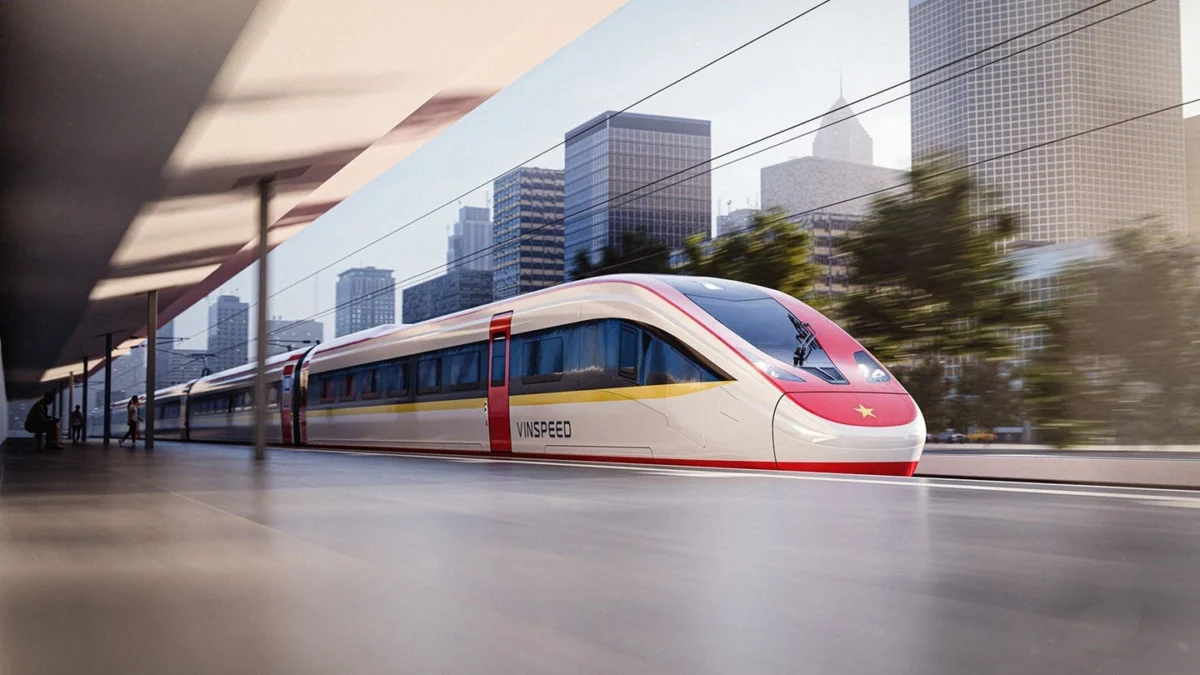
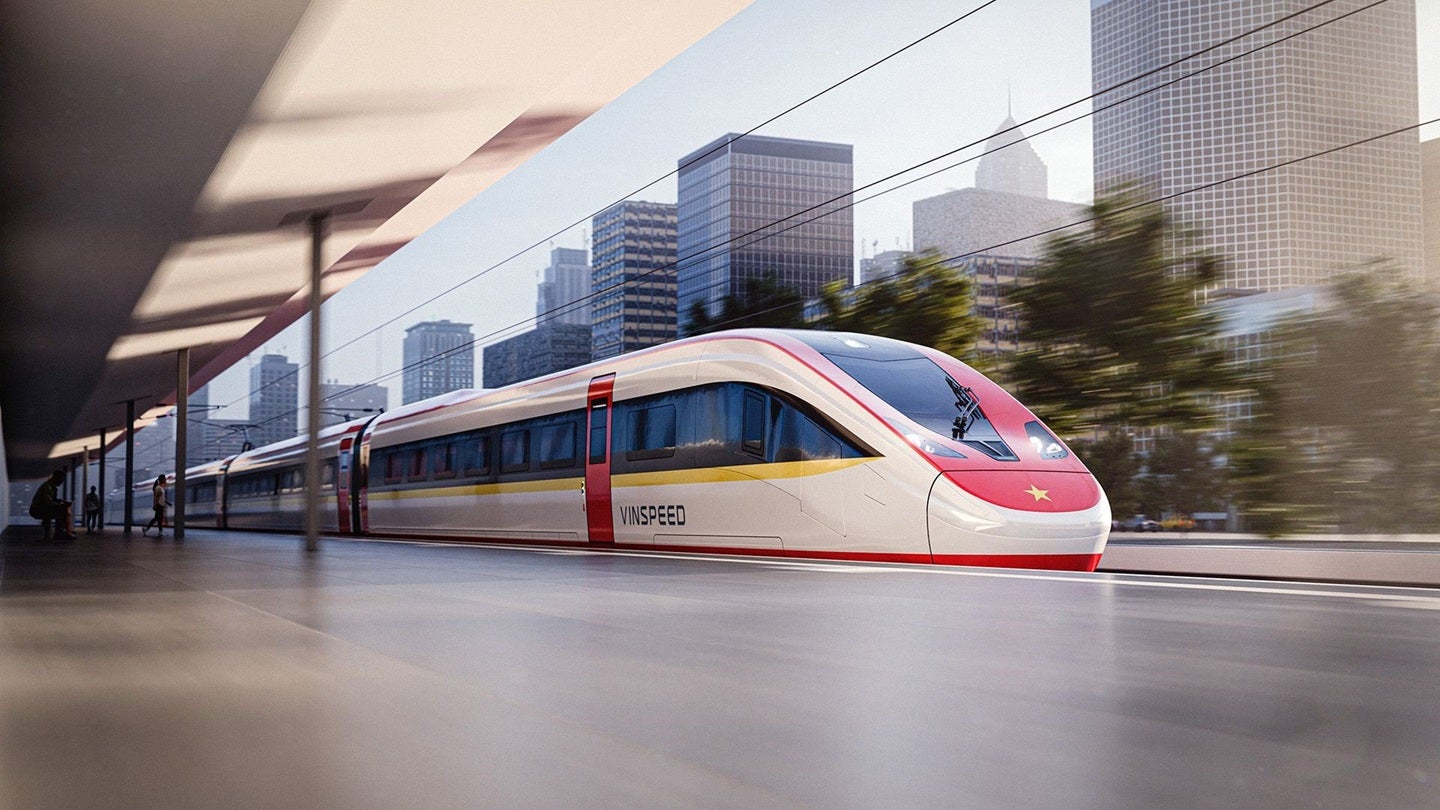
The choice of the Velaro Novo as the primary rolling stock is a calculated decision aimed at optimizing efficiency and passenger experience. As the latest evolution of the renowned Velaro platform, the Novo model represents a significant leap forward in high-speed rail engineering.
Engineering Advantages
- Speed and Capacity: Capable of reaching operational speeds of 350 km/h, the Velaro Novo is designed to drastically reduce travel times between key economic hubs. Its wider carbody configuration allows for increased passenger density without sacrificing comfort, effectively solving the capacity constraints faced by traditional regional rail.
- Energy Efficiency: One of the most compelling aspects of the Velaro Novo is its environmental footprint. It consumes approximately 30% less energy than its predecessors. This is achieved through a combination of lightweight design, improved aerodynamics, and optimized traction systems.
- Terrain Adaptability: Vietnam’s geography presents unique engineering challenges, including diverse soil profiles and varying elevations. The Velaro Novo’s design allows it to navigate steep gradients and challenging terrain with superior traction and stability, making it uniquely suited to the specific topographical requirements of the Ha Noi-Quang Ninh and Ben Thanh-Can Gio routes.
Project Chronology and Planned Corridors
The partnership focuses on two primary corridors that have been identified as vital for Vietnam’s regional connectivity and economic integration.
1. The Ha Noi-Quang Ninh (Ha Long) Route
Spanning 121 kilometers with four strategically placed stations, this line aims to link the capital, Ha Noi, with the major economic and tourism hub of Quang Ninh. This route is expected to catalyze the tourism sector while providing a reliable transport backbone for the burgeoning industrial zones along the route.
2. The Ben Thanh-Can Gio Route
Covering a 54-kilometer stretch with two primary stations, this route represents a critical infrastructure investment for the Ho Chi Minh City region. By connecting the city center (Ben Thanh) to the coastal district of Can Gio, the project is positioned to facilitate urban expansion and improve the logistical throughput of the southern economic zone.
While these projects are currently in the planning and framework phase, the commitment from both VinSpeed and Siemens Mobility to "close cooperation" signals a move toward definitive implementation contracts. This progression reflects a systematic approach: feasibility, technology selection, infrastructure design, and finally, full-scale execution.
Official Perspectives: A Shared Vision for Development
The partnership has been met with enthusiasm from the leadership of both organizations, emphasizing the synergy between local market expertise and global technical authority.
VinSpeed’s Strategic Outlook
Pham Thieu Hoa, CEO of VinSpeed, highlighted the transformative potential of this alliance. "The strategic cooperation with Siemens Mobility marks an important step in VinSpeed’s roadmap for developing modern transport infrastructure projects in Vietnam," he noted.
Hoa further elaborated on the collaborative nature of the partnership: "The combination of VinSpeed’s project execution capabilities and deep understanding of the domestic market with Siemens Mobility’s global experience and advanced technology will create a strong foundation for delivering international-standard high-speed rail lines. This is not just about moving people; it is about contributing to socioeconomic development and improving the quality of life for the Vietnamese people."
Siemens Mobility’s Commitment
For Siemens Mobility, the deal is a validation of its "turnkey" expertise. Michael Peter, CEO of Siemens Mobility, stated: "We are proud that the global frontrunner VinSpeed has selected Siemens Mobility to deliver Vietnam’s first high-speed rail lines. This confidence in our turnkey expertise and technology underscores Siemens’ position as the partner of choice for ambitious mobility projects worldwide."
Historical Context: Siemens in the Vietnamese Market
This partnership is the latest chapter in a long-standing history between Siemens and Vietnam. Having established a presence in the country since 1993, Siemens has evolved from a traditional supplier into an integrated partner in Vietnam’s industrial modernization.
With offices in Hanoi, Da Nang, and Ho Chi Minh City, the company has already provided critical technologies across the energy, healthcare, and transportation sectors. By leveraging three decades of local operational knowledge, Siemens is uniquely positioned to navigate the regulatory and technical hurdles associated with a project of this magnitude. This historical foundation reduces the "risk premium" usually associated with large-scale rail infrastructure, providing both the government and private stakeholders with a sense of continuity and trust.
Economic and Social Implications
The introduction of a high-speed rail network in Vietnam carries profound implications for the nation’s growth trajectory:
- Economic Integration: By drastically reducing travel time between industrial hubs and urban centers, the rail network will integrate labor markets and reduce supply chain friction.
- Environmental Sustainability: Transitioning passengers and freight from road and short-haul air travel to high-speed electric rail will contribute significantly to Vietnam’s commitments toward reducing carbon emissions.
- Urban Development: The "Station Area Development" model, often seen in high-speed rail projects, will likely drive real estate and commercial growth around the proposed stations, fostering new economic hubs outside of the current congested city centers.
- Technological Transfer: Through this partnership, there is an inherent potential for the localization of skills. As VinSpeed works alongside Siemens engineers, the transfer of knowledge regarding ETCS Level 2 signalling, advanced telecommunications, and rail maintenance will build a domestic workforce capable of managing and scaling future rail projects.
Conclusion: Setting the Rails for the Future
The collaboration between VinSpeed and Siemens Mobility is a landmark development in the narrative of Vietnam’s infrastructure evolution. By selecting a proven, world-class technology partner and focusing on the highly efficient Velaro Novo platform, the project is well-positioned to overcome the complexities of regional railway development.
As the parties transition from this framework agreement to the realization of construction contracts, the international community will be watching closely. If successful, these two lines—the Ha Noi-Quang Ninh and Ben Thanh-Can Gio routes—will serve as the blueprint for a nationwide high-speed network, signaling that Vietnam is ready to join the elite ranks of countries utilizing advanced, high-speed, and sustainable rail transport to drive their economies into the 21st century.
The convergence of Vingroup’s ambition and Siemens’ technical prowess represents a marriage of scale and precision—a combination that will likely serve as the engine for Vietnam’s transit future for decades to come.

