

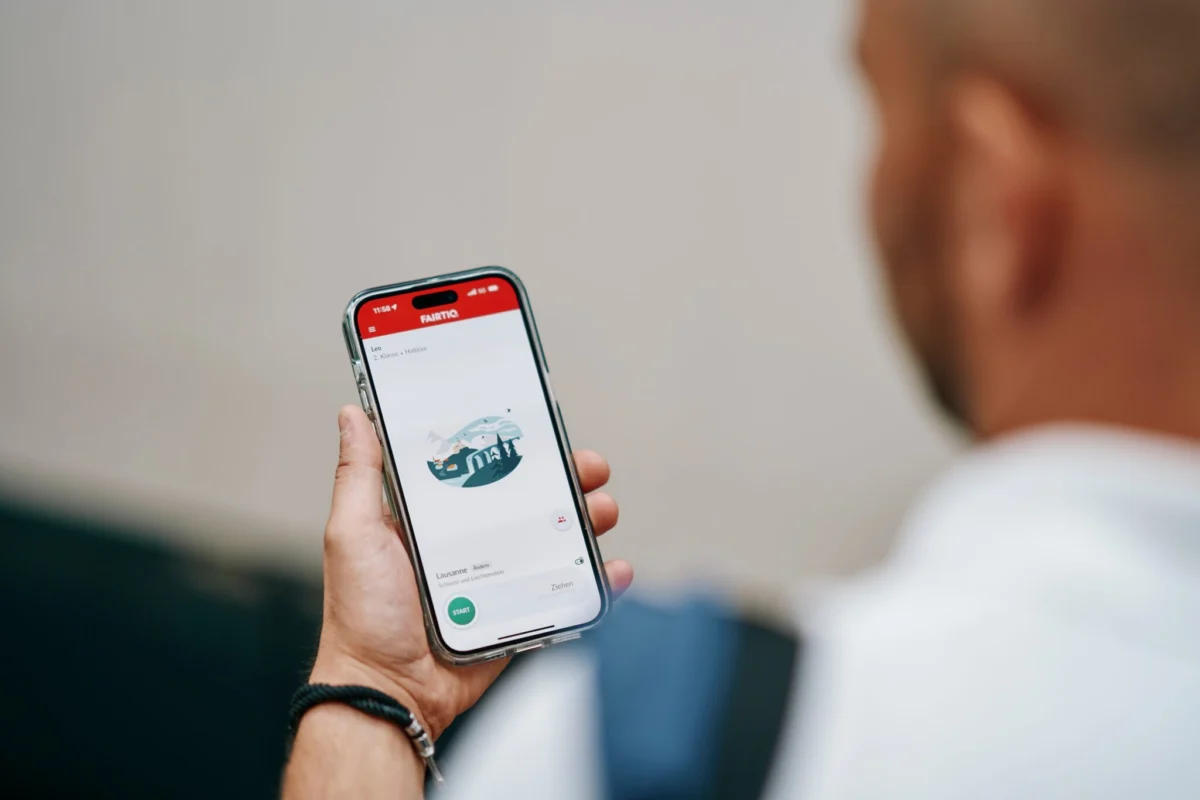
In a landmark move toward the digital transformation of public transit, the Slovak national railway operator, ZSSK (Železničná spoločnosť Slovensko), has officially announced a strategic partnership with FAIRTIQ, the Swiss-based leader in mobile ticketing technology. This collaboration is set to launch a comprehensive nationwide pilot of "Mobile Pay-As-You-Go" (MPAYG) ticketing, marking a pivotal shift in how passengers interact with the Slovak rail network.
By removing the friction associated with traditional fare systems—such as navigating complex zones, queuing at ticket machines, or pre-selecting specific routes—the project promises to redefine the passenger experience across the country’s domestic railway infrastructure.
The Core Concept: Frictionless Mobility
At the heart of this initiative is the FAIRTIQ app, an intuitive solution designed to eliminate the complexities of modern travel. For the passenger, the process is deceptively simple: upon boarding a train, the user performs a "check-in" via a swipe on their smartphone. Once the journey concludes, the user "checks out" with a final swipe.
The backend technology handles the rest. Using location-based services, the app automatically tracks the journey and calculates the fare based on the distance traveled and ZSSK’s existing tariff structures. This "check-in/check-out" (CICO) model effectively places a digital ticket office in the pocket of every passenger, rendering physical tickets, printed receipts, and pre-purchased zonal passes increasingly obsolete for casual travelers.
Chronology: From Strategy to Implementation
The road to this partnership is rooted in ZSSK’s broader modernization strategy, which has gained significant momentum over the past twenty-four months.
- 2023–2024 (Strategic Planning): ZSSK identified the need for a more agile, digital-first approach to customer engagement. The operator began evaluating international best practices in mobility-as-a-service (MaaS) to align with European Union digitalization directives.
- Late 2025 (Finalization): Following rigorous testing and procurement processes, ZSSK selected FAIRTIQ, citing their proven track record in similar projects across Switzerland, Germany, and Austria.
- January 2026 (Launch): The pilot project is scheduled to officially go live, covering all domestic railway routes operated by ZSSK.
- 2026–2027 (Evaluation Period): The pilot will run for a full twelve months. During this period, ZSSK will collect qualitative and quantitative data to determine the feasibility of a permanent national rollout.
- Beyond 2027 (Long-term Vision): Pending a successful review of the pilot’s metrics, ZSSK intends to integrate this technology as a permanent fixture of its national service architecture.
Scope of the Pilot: Covering the Heart of Slovakia
The reach of this pilot is expansive, ensuring that it is not limited to high-speed corridors between major urban centers like Bratislava and Košice. The system will encompass the entirety of ZSSK’s domestic network, including high-traffic regional lines.
Notably, the pilot includes iconic and technically challenging routes such as the Tatra Electric Railway (TEŽ) and the Cogwheel Railway (OŽ). These routes, which serve both local commuters and a significant influx of tourists, provide the perfect testing ground for a system that must handle both predictable daily travel and sporadic, one-off journeys. By incorporating these lines, ZSSK is demonstrating its commitment to universal access, ensuring that the benefits of digital innovation are felt even in the most scenic and remote parts of the country.
ZSSK’s Four-Pillar Modernization Strategy
This initiative does not exist in a vacuum; it is one of the pillars of ZSSK’s comprehensive corporate strategy aimed at future-proofing the national rail operator. The strategy rests on four foundations:
- Employer Excellence: Fostering a workplace culture that attracts top-tier talent in engineering, digital systems, and customer service.
- Rolling Stock Modernization: Ongoing investment in modern, energy-efficient trains that improve reliability and passenger comfort.
- Modern Services: The digital transformation, exemplified by the FAIRTIQ partnership, which aims to bring rail travel in line with contemporary mobile-first expectations.
- Financial Stability: Optimizing operational costs through data-driven service management, ensuring the long-term viability of the national carrier.
By focusing on digitalization, ZSSK aims to shift its image from a traditional state operator to a modern, user-centric mobility provider.
Official Perspectives: The CEO’s Vision
Peter Helexa, CEO of ZSSK, emphasized that this transition is not merely an upgrade, but a necessary evolution in response to changing consumer behavior.
"More than 52% of our customers already use digital channels to purchase tickets via mobile or online platforms," Helexa noted during the announcement. "FAIRTIQ is therefore a natural next step for us on the path towards simpler and more convenient rail travel. Our goal is to reduce the cognitive load on the passenger. When travel becomes effortless, ridership increases, and the railway becomes a more attractive alternative to the private car."
The sentiment reflects a wider European trend where public transport providers are increasingly competing with the convenience of ride-sharing apps and private vehicle ownership. By streamlining the ticketing process, ZSSK is actively lowering the barrier to entry for prospective passengers.
Data Privacy and Passenger Insights
One of the most significant advantages of this partnership—beyond the immediate customer benefit—is the potential for enhanced network planning. The FAIRTIQ system generates anonymized, high-resolution data on passenger mobility patterns.
ZSSK will gain unprecedented insights into where people are traveling, at what times, and on which routes. This data is invaluable for optimizing timetables, deploying rolling stock more efficiently during peak hours, and identifying underserved regions.
However, ZSSK has been careful to address privacy concerns early. The operator has committed to upholding the strictest data privacy standards, ensuring that all information used for network analysis is anonymized and fully compliant with GDPR. The objective is to use the data to improve the service, not to monitor the individual.
Implications: The Future of Public Transit in Slovakia
The implications of this pilot extend far beyond ZSSK. If successful, the initiative could provide a blueprint for a nationwide mobility ecosystem.
1. The Shift to "Mobility as a Service" (MaaS)
The FAIRTIQ pilot is a significant step toward a true MaaS environment, where a single app could eventually integrate not only trains, but also buses, trams, and perhaps even micro-mobility solutions like bike-sharing. By standardizing the "swipe-in/swipe-out" interaction, ZSSK is building the infrastructure for a more connected Slovak transport network.
2. Improving Operational Efficiency
Manual fare collection and the maintenance of ticket machines are resource-intensive. By transitioning to a mobile-only (or mobile-first) model, ZSSK can redirect capital and labor toward maintenance, infrastructure upgrades, and staff training. The shift also reduces the carbon footprint associated with physical ticket production and machine maintenance.
3. Boosting Tourism and Regional Economy
The inclusion of the Tatra Electric Railway in the pilot is a strategic move for the tourism sector. International travelers often find local rail tariffs intimidating. A simplified, app-based system that works immediately upon download encourages tourists to use public transport rather than renting cars, thereby reducing congestion in sensitive environmental areas and boosting the local economy.
4. Competitive Positioning
For the Slovak transport sector, the adoption of FAIRTIQ represents a bold move to remain competitive. As neighboring countries accelerate their digital offerings, ZSSK’s ability to implement this system successfully will determine whether Slovakia remains a regional leader in rail travel or falls behind in the digital arms race.
Conclusion: A Milestone for Slovak Rail
The partnership between ZSSK and FAIRTIQ is more than just a new way to buy a ticket; it is a fundamental shift in the relationship between the railway operator and the passenger. By prioritizing simplicity, efficiency, and data-backed decision-making, ZSSK is positioning itself as a modern, forward-thinking entity capable of meeting the demands of the 21st-century traveler.
As the pilot project approaches its January 2026 launch date, the eyes of the European rail industry will be on Slovakia. If the transition is seamless, the project will likely serve as a gold standard for other national operators looking to simplify their ticketing structures. For the citizens of Slovakia, the promise is simple: a future where the train is not just the most sustainable way to travel, but also the easiest.

