

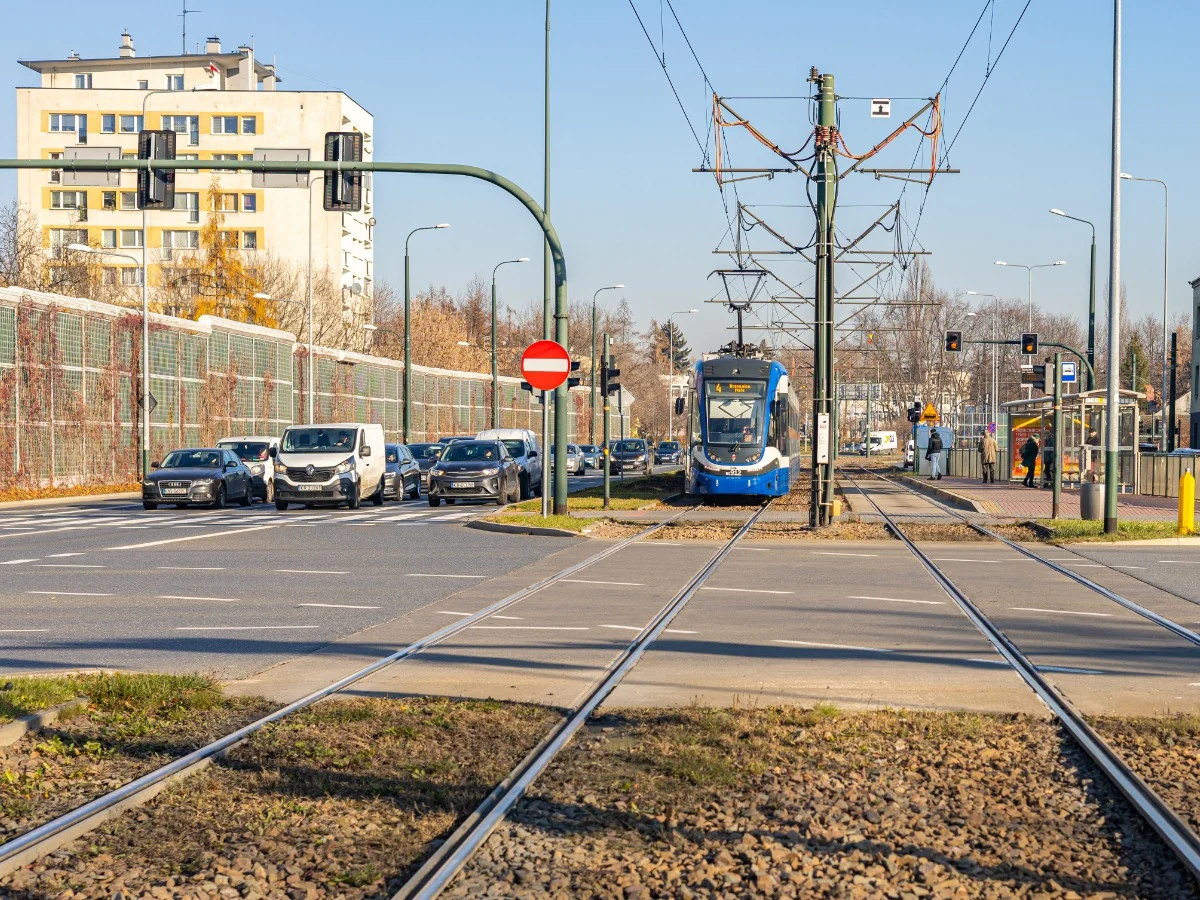
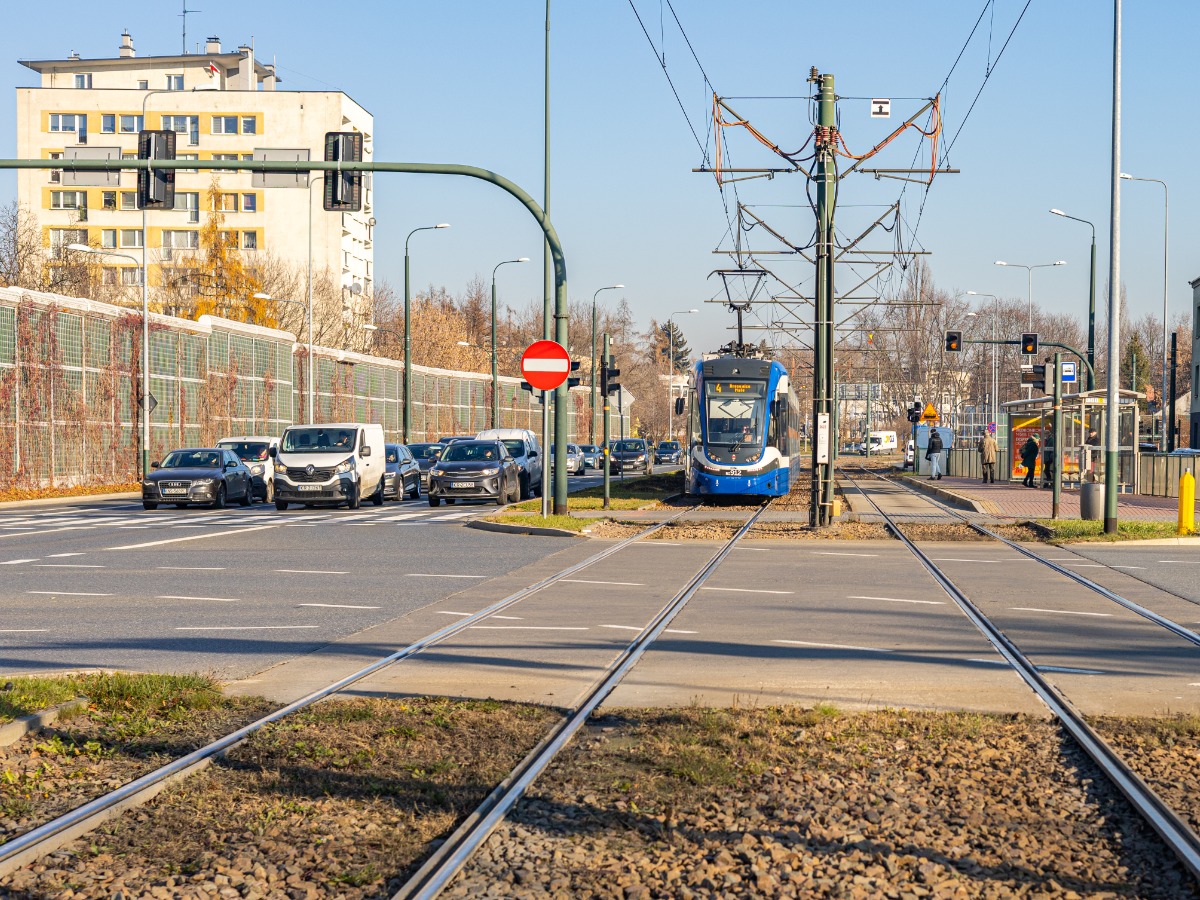
KRAKÓW, POLAND — In a milestone development for urban mobility and public infrastructure financing in Central Europe, the European Bank for Reconstruction and Development (EBRD) has officially signed loan agreements with Turkish engineering powerhouse Gülermak. The financial package is earmarked for the construction of Phase Four of the Kraków Fast Tram project—a pioneering undertaking that officially marks the very first Public-Private Partnership (PPP) tramway project in both the historic city of Kraków and across Poland as a whole.
This ambitious transit initiative represents a paradigm shift in how Polish municipalities fund, construct, and maintain large-scale public transportation networks. By leveraging private-sector expertise and international institutional backing, Kraków is charting a sustainable path forward to alleviate urban congestion, dramatically cut carbon emissions, and modernize its municipal infrastructure for the 21st century.
Main Facts
At the core of this financial arrangement is a PLN 258.5 million (approximately EUR 54 million) loan provided directly by the EBRD. The funds are being channeled through a special-purpose vehicle (SPV) known as PPP Solutions Polska 2 Sp., a project company wholly owned by the Gülermak Group.
This loan forms a crucial slice of a much larger, multi-layered financial puzzle totaling PLN 824 million (approx. EUR 177.5 million) dedicated exclusively to the PPP structure. The remainder of this robust financial backing—amounting to approximately PLN 565.5 million (EUR 121.8 million)—is being co-financed by the European Investment Bank (EIB), which previously greenlit a EUR 32.3 million loan for the initiative, alongside contributions from a prominent Polish commercial bank. The total value of the overarching project stands at an impressive EUR 280 million.
Project Scope and Technical Specifications
The fourth phase of the Kraków Fast Tram project is designed to seamlessly bridge two previously unconnected major districts in the northern part of the city, running between the Lema/Meissnera intersection and the Mistrzejowice tram loop.
Key technical components of the infrastructure overhaul include:
- Track Construction: The laying of a 4.5-kilometre double tram track.
- Tunnelling: The excavation and construction of a modern 900-metre underground tunnel.
- Interchanges and Stations: The creation of advanced transfer hubs, including the newly redesigned underground station at the Młynyskie Roundabout.
- Active Mobility Integration: Comprehensive upgrades to associated infrastructure, ensuring safe, dedicated pathways for pedestrians and cyclists alongside the tram corridors.
- Terminus Modernization: A complete redevelopment of the historic Kurdwanów Terminus—originally opened in 1974—to handle a significantly higher volume of rolling stock, featuring expanded platforms, state-of-the-art passenger information systems, and barrier-free access for passengers with disabilities.
When fully operational, the new corridor is projected to slash travel times to the city center by an impressive 12 minutes. Furthermore, the system will operate at a high frequency of up to 90 seconds during peak hours, enabling more than 40 additional tram trips per hour and yielding over 550 extra daily runs across the network.
Chronology of the Project
The realization of Poland’s premier tramway PPP did not happen overnight; it is the culmination of years of meticulous planning, legal structuring, and inter-institutional negotiations.
- December 2021: A watershed moment for Polish municipal transit occurred when the City of Kraków and the private consortium—comprising PPP Solutions Polska and Gülermak Ağır Sanayi İnşaat ve Taahhüt—formally signed the concession agreement. The contract stipulated a 24-year partnership wherein the private consortium assumes total responsibility for the design, financing, construction, obtaining necessary permits, and subsequent long-term maintenance of the line. Upon the expiration of the 24-year term, ownership and operational oversight will revert entirely to the city.
- September 2022: City officials and project developers announced major structural enhancements to the plans, notably confirming the comprehensive redevelopment of the Kurdwanów Terminus to support multi-directional routing and modernized passenger amenities.
- Late 2022: The EBRD finalized its financial commitments, signing the loan agreements with Gülermak to inject essential liquidity into the SPV, paving the way for full-scale physical construction.
- Current Status: Design works have reached a 60% completion milestone. Recent architectural revisions—such as the newly unveiled roofed design for the underground Młyńskie Roundabout stop—have been integrated to protect transit infrastructure from severe weather conditions.
- 2025 (Projected Completion): The entire system is slated for final commissioning and operational launch, marking the dawn of a new era for Kraków’s urban transit.
Supporting Data and Financial Architecture
The financial structuring of the Kraków Fast Tram Phase IV project is a masterclass in blending multilateral development bank funding with private commercial investment and European structural instruments.
| Financial Parameter | Detail / Value |
|---|---|
| Total Project Cost | EUR 280 million |
| Overall PPP Financing Package | PLN 824 million (~EUR 177.5 million) |
| EBRD Loan Amount | PLN 258.5 million (~EUR 54 million) |
| EIB and Commercial Co-Financing | PLN 565.5 million (~EUR 121.8 million) |
| Concession Duration | 24 Years |
| New Track Length | 4.5 km (Double track) |
| Tunnel Length | 900 meters |
| Target Service Frequency | Up to 90 seconds |
| Capacity Increase | 40+ additional trips/hour (>550 trips/day) |
| Travel Time Savings | Up to 12 minutes to the city center |
The private partner, Gülermak, through its project company PPP Solutions Polska 2 Sp., is shouldering the engineering, procurement, and construction (EPC) risks, as well as the long-term operational upkeep, ensuring that public funds are insulated from common construction-phase cost overruns and delays.
Official Responses and Stakeholder Perspectives
The groundbreaking nature of the project has drawn commentary from top-tier executives across the international banking and engineering sectors.
Susan Goeransson, EBRD Director for Infrastructure in Europe, emphasized the environmental and social imperatives driving the bank’s investment:
"We are proud to support Kraków’s efforts to make its transport greener. The project, which the city’s population is eagerly anticipating, will make Kraków’s tram network faster and more convenient, encouraging more people to use trams instead of cars."
Echoing this sentiment from the private sector, Türkekul Doğan, CEO of PPP Investment for Gülermak, highlighted the strategic importance of the venture for both the company and the Polish market:
"The Kraków tram PPP represents a pioneering project in the evolution of the PPP market in Poland and a significant milestone for the Gülermak Group as its first PPP investment. The EBRD brings substantial experience to the project and also guides all stakeholders to prioritise green economy transition."
Local municipal leaders in Kraków have similarly lauded the partnership, noting that the initiative provides a blueprint for how growing European cities can upgrade complex, capital-intensive mass transit systems without placing an unsustainable burden on municipal debt portfolios.
Implications for Urban Mobility and the Green Transition
The implications of the Kraków Fast Tram Phase IV project extend far beyond the local borders of Lesser Poland.
1. A Blueprint for Polish PPPs
Historically, public-private partnerships have faced regulatory, legal, and cultural hurdles in Poland, particularly in the municipal infrastructure sector. By successfully closing a complex multi-lender financing package—backed by the EBRD, the EIB, and commercial institutions—Kraków and Gülermak have effectively de-risked the PPP model for future municipal projects across the country. Other Polish cities looking to overhaul their transit, water, or waste management systems will undoubtedly look to this framework as a gold standard.
2. Combating Climate Change via Modal Shift
At its heart, the project is an environmental intervention. By creating a high-speed, high-capacity corridor that links previously isolated northern districts directly to the heart of the city, the project targets the reduction of private vehicle dependency. The resulting modal shift—from carbon-emitting automobiles to electric light rail—is projected to deliver a measurable decrease in municipal $textCO_2$ emissions. This aligns squarely with the European Union’s broader European Green Deal objectives and the EBRD’s Green Economy Transition (GET) approach.
3. Enhanced Urban Resilience and Accessibility
Beyond emissions reductions, the engineering choices incorporated into Phase Four reflect modern standards of urban resilience. The incorporation of weather-protected underground facilities, such as the redesigned Młyńskie Roundabout stop, ensures reliable operations regardless of seasonal extremes. Simultaneously, the inclusion of modern low-floor vehicle infrastructure, barrier-free boarding platforms, and real-time passenger information displays guarantees that the modernized network will be fully accessible to elderly residents, individuals with disabilities, and families with young children.
Looking Ahead to 2025
As physical construction pushes past the halfway design mark and moves rapidly toward its 2025 completion date, Kraków stands on the verge of a public transport renaissance. When the first trams begin rolling along the new 4.5-kilometre corridor at 90-second intervals, they will carry not only thousands of daily commuters but also the proof that innovative public-private cooperation can successfully deliver the sustainable cities of tomorrow.

