

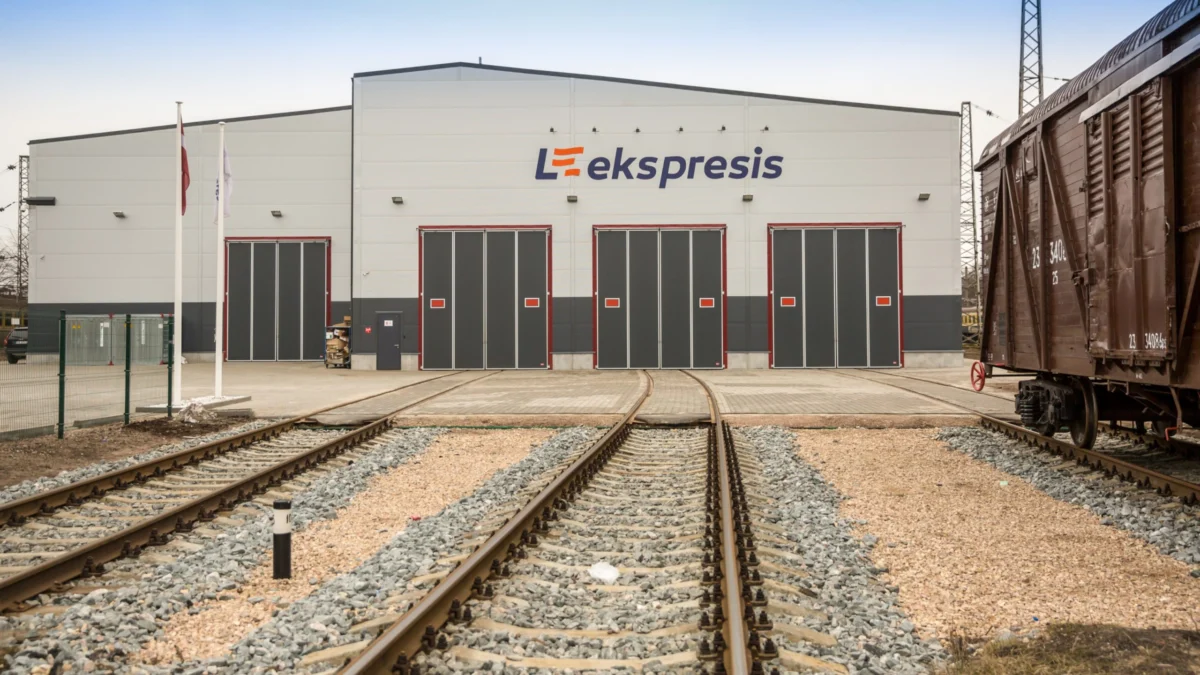
Executive Summary: A Strategic Foothold in the Baltic Region
In a move that signals a decisive shift in the Northern European railway landscape, the Czech-based industrial giant Škoda Group has officially acquired a 36 percent stake in the Latvian rail services firm, SIA L-Ekspresis. This acquisition is far more than a simple equity purchase; it represents the cornerstone of Škoda’s broader strategy to cement its footprint in the Baltic states by localizing high-level maintenance, repair, and modernization services.
The transaction, which includes a call option for the remaining 64 percent of the company exercisable by the end of 2028, transforms the existing relationship between the two entities from a project-based partnership into a long-term, integrated industrial alliance. By leveraging L-Ekspresis’s three decades of regional operational history alongside Škoda’s cutting-edge engineering prowess, the group aims to establish a world-class railway maintenance hub in Riga, designed to serve the burgeoning rail networks of Latvia, Estonia, and Lithuania.
Chronology of Collaboration: From Partners to Stakeholders
The synergy between Škoda Group and L-Ekspresis did not emerge overnight. It is the culmination of years of technical cooperation and mutual trust built within the challenging environment of the Baltic railway market.
Phase 1: The Foundation of Trust
For over 30 years, L-Ekspresis has been a pillar of the Latvian rail industry, developing a deep understanding of the region’s rolling stock infrastructure and technical requirements. Its facilities in Riga have served as a critical nexus for the maintenance of various rail vehicle platforms.
Phase 2: Project-Based Synergy
In recent years, the relationship deepened as Škoda Group began winning significant contracts for new electric multiple units (EMUs) and battery-powered trains in Latvia and Estonia. L-Ekspresis became a trusted local partner, providing essential ground support and technical assistance during the deployment of these complex fleets. This "field-testing" of the partnership proved to both leadership teams that a more formal integration would yield operational efficiencies that neither could achieve alone.
Phase 3: The Strategic Investment
With the formal acquisition of the 36 percent stake, the collaboration has entered its third phase. The transition from independent contractor to partial owner allows Škoda Group to influence the operational roadmap of L-Ekspresis directly, setting the stage for the creation of a regional "Center of Excellence" for rolling stock servicing.
Supporting Data: The Scale of Škoda’s Baltic Expansion
Škoda Group’s presence in the Baltics is not merely a service ambition; it is backed by an impressive portfolio of hardware already in operation or currently in the manufacturing pipeline.
The Latvian Fleet
The backbone of the company’s regional presence is the 32 Škoda 16Ev electric trains currently operating across Latvia’s national network. These trains represent a significant leap in passenger comfort and efficiency for the country. Beyond the current fleet, the company has secured a strategic contract for nine battery-powered trains (BEMUs), with an additional option for seven more. This indicates a long-term commitment to decarbonizing Latvian rail transit.
The Estonian Corridor
Škoda’s influence extends firmly into Estonia, where the company has successfully delivered 16 electric trains to the national operator, Elron. Looking toward 2026, the company is preparing for the delivery of 40 battery-electric multiple units (BMUs) for the Tallinn metropolitan area—a project that will require the very maintenance capabilities now being cultivated through the L-Ekspresis acquisition.
The Lithuanian Footprint
While rail is the primary focus, the group’s footprint is multi-modal. In Lithuania, Škoda has solidified its reputation by completing the delivery of a fleet of modern trolleybuses for the city of Vilnius, demonstrating that the group’s expertise in electrification is not limited to heavy rail.

Official Responses and Strategic Vision
The leadership at Škoda Group views this acquisition as a fundamental pillar of their growth strategy. Petr Novotný, CEO of Škoda Group, emphasized that this move is a deliberate attempt to marry local agility with global industrial standards.
"Our investment in L-Ekspresis is a natural step in our strategy to develop our service business," Novotný stated. "We want to build on solid local capabilities, whilst bringing our technological know-how and experience to the regions where we operate."
From the perspective of the Baltic markets, this investment is viewed as a vote of confidence in the regional rail sector. By centralizing maintenance in Riga, the group is reducing the need for costly and time-consuming transport of equipment back to Czech manufacturing facilities, thereby ensuring higher availability of fleets for operators.
Implications: A New Era for Baltic Rail Maintenance
The acquisition carries profound implications for the rail industry in Northern and Eastern Europe.
1. Operational Efficiency and Fleet Availability
One of the greatest challenges for railway operators in the Baltic states has been the logistical burden of maintaining high-tech, modern rolling stock. By creating a localized hub in Riga, Škoda Group is effectively shortening the "repair loop." This will significantly increase the uptime of the fleets in Latvia and Estonia, leading to a more reliable passenger experience.
2. Knowledge Transfer and Workforce Development
The integration of Škoda’s technological expertise into L-Ekspresis’s existing workforce creates a unique opportunity for human capital development. Local technicians will be upskilled to handle advanced diagnostics, software updates, and complex electrical systems associated with modern battery and electric train platforms. This elevates the overall technical capability of the Latvian workforce.
3. Future-Proofing the Network
With the inclusion of the 64 percent call option, Škoda Group has signaled its intent to eventually take full control of L-Ekspresis should the market conditions align with their expectations by 2028. This creates a clear roadmap for the consolidation of rail maintenance services across the Baltics. As the European Union continues to push for the "Green Deal" and the transition to rail, the demand for sophisticated maintenance for battery and electric trains will only increase.
4. A Template for European Expansion
This acquisition serves as a potential blueprint for how Škoda Group intends to expand across other European markets. By identifying local partners with deep institutional knowledge and acquiring a strategic stake, the group avoids the "outsider" friction that often accompanies foreign expansion, instead opting for a model of collaborative integration.
Conclusion
The acquisition of a 36 percent stake in L-Ekspresis is a calculated, forward-thinking move that solidifies Škoda Group’s position as a dominant player in the Baltic rail sector. By combining the historical reliability and regional reach of L-Ekspresis with the high-tech, innovative manufacturing prowess of the Czech manufacturer, the partnership is perfectly positioned to handle the challenges of modernizing the region’s railway infrastructure.
As the Baltics continue to integrate their rail networks with the wider European system, the Riga-based maintenance hub will likely become the linchpin for fleet reliability. For Škoda Group, this is more than just a business deal; it is a long-term commitment to the economic and logistical health of the Baltic region, ensuring that the next generation of trains is supported by a local, expert, and highly responsive service network.

