

In a significant stride toward the digitalization of public transport, the Slovak national railway operator, Železničná spoločnosť Slovensko (ZSSK), has officially announced a strategic partnership with the Swiss-based technology firm FAIRTIQ. This collaboration marks the launch of a pioneering nationwide pilot program for mobile pay-as-you-go (MPAYG) ticketing, designed to eliminate the friction typically associated with rail travel. By integrating advanced location-based technology into its service network, ZSSK aims to redefine the passenger experience across its entire domestic railway infrastructure.
The pilot program, scheduled to commence in January 2026, represents a year-long experiment in modernizing how citizens and tourists alike interact with Slovakia’s rail network. By removing the complexities of traditional fare calculation and ticket pre-selection, the project aligns with ZSSK’s broader corporate mandate to foster a more accessible, efficient, and user-centric public transportation system.
The Core Mechanics: How ‘Check-in, Check-out’ Works
The fundamental philosophy behind the FAIRTIQ system is the removal of the "pre-purchase barrier." Traditionally, travelers are required to identify their departure point, destination, and potential transfer hubs before boarding. They must navigate fare zones, identify discounts, and manage paper or QR-based tickets.
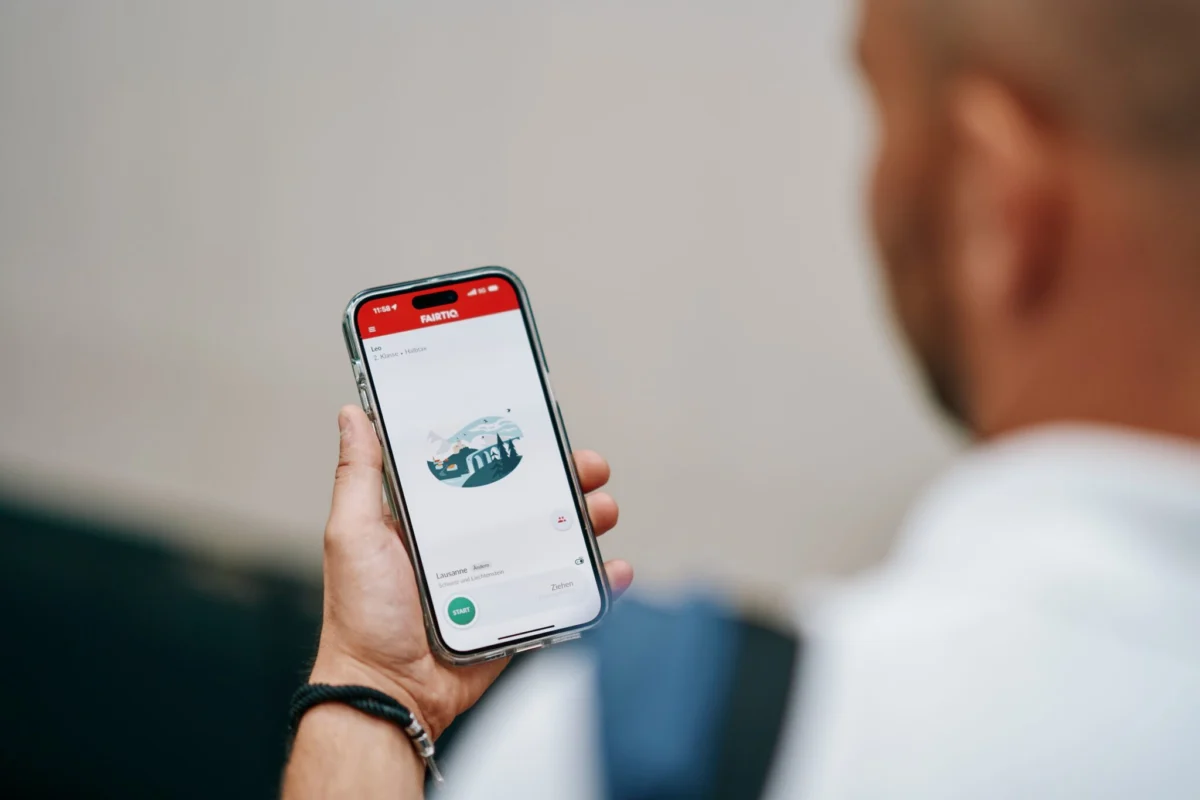
Under the new system, the process is reduced to a single gesture. Upon boarding a ZSSK train, a passenger opens the FAIRTIQ app and performs a "swipe to start" action. The app utilizes GPS and location services to track the movement of the passenger in real-time. Upon arrival at their destination, the passenger performs a "swipe to stop" action. The system then automatically calculates the most cost-effective fare based on the actual distance traveled and the prevailing ZSSK fare policy.
This model, often referred to as "Be-In/Be-Out" (BIBO) or "Check-in, Check-out," functions as a virtual ticket machine in the passenger’s pocket. It eliminates the need for physical ticket counters, queuing at station kiosks, or the anxiety of selecting the wrong fare class.
Chronology of the Project
Phase 1: Strategic Alignment (2024–2025)
Following a period of internal assessment, ZSSK identified a growing demand for digital fluency among its customer base. Recognizing that over 52% of its passengers were already utilizing online or mobile channels to secure travel, the operator began evaluating international best practices in ticketing technology. FAIRTIQ, which has seen success in various European transit markets, was identified as the optimal partner to pilot this technology in the Slovak context.
Phase 2: Implementation and Integration (Late 2025)
The months leading up to January 2026 are dedicated to the technical integration of FAIRTIQ’s software with ZSSK’s existing backend infrastructure. This includes configuring the system to recognize all domestic routes, including the highly specialized and scenic lines such as the Tatra Electric Railway (TEŽ) and the Cogwheel Railway (OŽ).
Phase 3: The Pilot Launch (January 2026)
The one-year pilot officially begins in January 2026. This phase will serve as a live laboratory, monitoring the system’s stability, user adoption rates, and the accuracy of the automated fare calculations.
Phase 4: Evaluation and Scaling (2027 and Beyond)
Following the completion of the pilot, ZSSK will conduct a comprehensive audit of the data collected. The results will determine whether the "check-in, check-out" model becomes a permanent fixture of Slovak rail travel or if it requires further refinement before full-scale integration.
Supporting Data: Why Digitalization Matters
ZSSK’s shift toward digitalization is supported by strong internal metrics. The fact that more than half of the company’s revenue currently flows through digital channels is a testament to changing consumer habits.
- The Digital Shift: The 52% adoption rate of digital ticketing indicates a mature user base ready for more advanced, "frictionless" interfaces.
- Operational Efficiency: By reducing the volume of passengers requiring manual assistance at ticket counters, ZSSK expects to lower overhead costs related to station personnel and paper-based infrastructure.
- Mobility Intelligence: The pilot is designed to generate anonymized, aggregated data on passenger flows. By understanding the "heat maps" of travel demand, ZSSK can optimize its fleet deployment, scheduling, and maintenance cycles to better match real-world usage patterns.
Official Responses and Corporate Vision
Peter Helexa, CEO of ZSSK, emphasized that this partnership is a natural evolution of the company’s modernization strategy. "More than 52% of our customers already use digital channels to purchase tickets via mobile or online platforms. FAIRTIQ is therefore a natural next step for us on the path towards simpler and more convenient rail travel," Helexa stated during the announcement.
ZSSK’s modernization strategy is built upon four foundational pillars:
- Stable and Attractive Employer: Ensuring the rail sector remains a competitive industry for skilled workers.
- Modern Trains: Continuous investment in rolling stock to improve comfort and safety.
- Modern Services: The adoption of technologies like the FAIRTIQ pilot to reduce passenger friction.
- Financial Strength and Stability: Utilizing digital efficiency to ensure long-term fiscal viability.
By integrating these pillars, ZSSK aims to position itself as a modern mobility provider rather than just a traditional railway operator.
Implications for the Future of Slovak Transport
1. Enhanced Passenger Experience
The most immediate implication is the dramatic reduction in travel anxiety. For the occasional traveler, the complexity of railway fare structures is often a deterrent to using public transit. A "swipe-and-go" system effectively removes this psychological barrier, potentially increasing ridership on regional lines.
2. The Data Advantage
Public transport operators often struggle with the "last mile" of data collection. While they know how many tickets are sold, they often lack granular data on exactly when and where passengers are embarking and disembarking in high-volume, multi-stop corridors. The anonymized data provided by the FAIRTIQ pilot will offer ZSSK unprecedented insights, allowing for data-driven decisions regarding train frequency and capacity adjustments.
3. Sustainability and Environmental Impact
By making public transport more convenient, ZSSK is actively participating in the broader European goal of shifting travelers from private cars to public rail. The ease of use is a critical component in the "modal shift"—the process of convincing citizens that taking the train is not only environmentally responsible but also the most convenient option available.
4. Privacy and Security
In the age of digital surveillance, the implementation of such technology brings concerns regarding data privacy. Both ZSSK and FAIRTIQ have committed to adhering to strict data protection standards, including the GDPR. The data used for mobility insights will be anonymized, ensuring that individual travel habits cannot be traced back to specific passengers, thus maintaining public trust.
Conclusion
The partnership between ZSSK and FAIRTIQ is more than just a software implementation; it is a signal of the changing landscape of European public transport. As Slovakia moves toward a more integrated and digitalized future, the success of this pilot will be a bellwether for the region.
If the pilot succeeds in simplifying travel for the residents of the Tatra region and beyond, it will likely serve as a blueprint for a nationwide mobility ecosystem. By embracing innovation, ZSSK is not merely upgrading its ticketing system; it is transforming the way the nation moves, ensuring that the convenience of the 21st century reaches every platform, every train, and every passenger across Slovakia.
The upcoming year of the pilot will be critical, not only for the operational success of the ZSSK network but for the long-term vision of a seamless, modern, and sustainable Slovak railway system. As passengers prepare to "swipe" their way into the future, the promise of a more connected nation remains the ultimate destination.

