
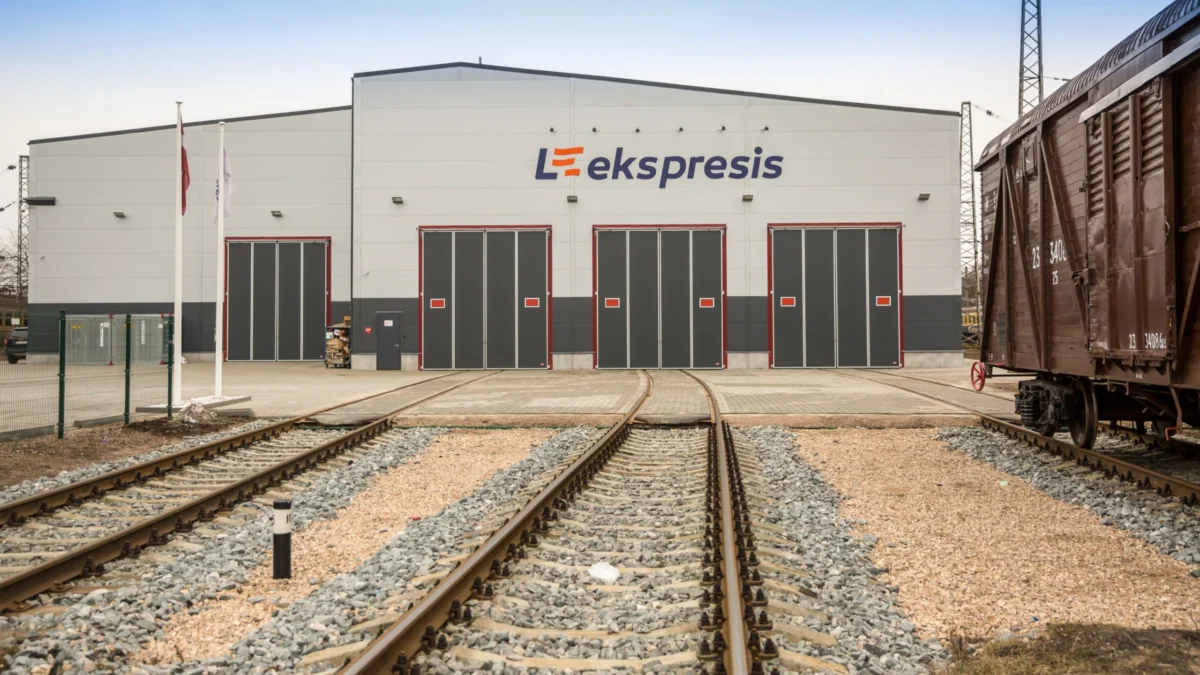
In a move signaling a major shift in the industrial landscape of Northern Europe, the Czech-based transport giant Skoda Group has officially acquired a 36 per cent stake in the Latvian railway specialist SIA L-Ekspresis. This strategic investment is not merely a financial transaction; it represents a calculated expansion of Skoda’s service-oriented business model and a commitment to establishing a centralized maintenance hub in Riga to serve the broader Baltic rail network.
The deal, which includes a call option for the remaining 64 per cent of the company exercisable by the end of 2028, solidifies a long-standing partnership between the two entities. As Skoda continues to dominate the regional market with its electric multiple unit (EMU) and battery-powered train deliveries, this move ensures that the manufacturer maintains tight control over the lifecycle management of its rolling stock.
Main Facts: A Partnership Built on Technical Synergy
SIA L-Ekspresis has long been a fixture in the Latvian railway sector, boasting over three decades of operational experience. The company specializes in the end-to-end maintenance, repair, and modernization of rail vehicles—a niche that perfectly complements Skoda Group’s high-tech manufacturing prowess.
Under the terms of the agreement, the two companies will integrate their operations to create a premier railway maintenance and services hub in Riga. This facility is expected to serve as the primary service center for Skoda’s expanding fleet across Latvia, Estonia, and Lithuania. By combining L-Ekspresis’s deep-rooted local expertise and existing technical facilities with Skoda’s proprietary technological know-how, the collaboration aims to drastically reduce downtime for regional rail operators and optimize the lifespan of modern rolling stock.
The inclusion of the call option—allowing Skoda to potentially acquire the remainder of the business within the next four years—underscores the group’s confidence in the Latvian market and its long-term vision for regional dominance in the rail maintenance sector.
Chronology: A Decade of Baltic Integration
The acquisition of L-Ekspresis is the culmination of a multi-year effort by the Skoda Group to penetrate the Baltic markets, which have been undergoing significant modernization as they decouple from legacy rail systems.
- Initial Engagement: The relationship began with collaborative projects in rolling stock production. Over the last several years, L-Ekspresis served as a key local partner for Skoda, assisting in the technical commissioning of new units.
- The Latvian Breakthrough: The turning point arrived with the successful deployment of the Skoda 16Ev electric trains in Latvia. The seamless cooperation between the two companies during the rollout of these units demonstrated a clear synergy in maintenance protocols.
- Expansion into Estonia and Lithuania: While the Latvian market served as the foundation, Skoda expanded its footprint rapidly. Deliveries of electric trains to the Estonian operator Elron and the successful rollout of trolleybuses in Vilnius, Lithuania, created a critical mass of Skoda assets in the region.
- The 2026 Strategic Pivot: Following years of successful collaboration, both parties finalized the stake acquisition in the third quarter of 2026, marking a transition from a contractor-subcontractor relationship to a formalized, long-term industrial partnership.
Supporting Data: The Scale of the Baltic Fleet
To understand the necessity of this investment, one must look at the sheer volume of Skoda-manufactured assets currently operating in the Baltic states. The group is no longer a peripheral supplier; it is the backbone of the region’s public transport infrastructure.
The Latvian Fleet
- Skoda 16Ev Units: Currently, 32 of these modern electric trains are in daily operation, providing the primary backbone for suburban and regional passenger transport in Latvia.
- Future-Proofing: Skoda has secured contracts for an additional nine battery-powered train units, with an option for seven more. These units are designed to operate on non-electrified routes, representing a significant technological leap for Latvian rail infrastructure.
The Estonian and Lithuanian Footprint
- Elron Cooperation: Skoda has already successfully delivered 16 electric trains to the Estonian operator Elron.
- Tallinn Expansion: The pipeline remains robust, with 40 battery-electric multiple units (BMUs) scheduled for delivery to Tallinn in 2026. This project is central to Estonia’s decarbonization goals.
- Lithuanian Urban Mobility: Beyond rail, Skoda has completed a comprehensive renewal of the trolleybus fleet in Vilnius, demonstrating the group’s capacity to manage large-scale multi-modal transport projects across the region.
Official Responses: Aligning the Vision
The leadership at Skoda Group has been clear about the intent behind this acquisition. For Petr Novotný, CEO of the Skoda Group, the move is a logical progression in the company’s evolution from a manufacturer to a full-service mobility provider.
"Our investment in L-Ekspresis is a natural step in our strategy to develop our service business," Novotný stated during the press announcement. "We want to build on solid local capabilities, whilst bringing our technological know-how and experience to the regions where we operate. By empowering local teams with the latest digital diagnostic tools and engineering support from our Czech headquarters, we are creating a world-class maintenance ecosystem that ensures the highest level of availability for our customers."
Local representatives from L-Ekspresis have echoed these sentiments, noting that the partnership provides the stability and investment capital required to modernize their existing facilities in Riga to meet the stringent safety and efficiency standards required for modern high-speed and battery-powered rolling stock.

Implications: A New Era for Baltic Rail Maintenance
The implications of this deal are far-reaching, touching on issues of national security, economic integration, and technical efficiency.
1. The Creation of a Regional Maintenance Hub
By centralizing service operations in Riga, Skoda is effectively creating a "center of gravity" for rail maintenance in the Baltics. This allows for economies of scale—spare parts, specialized testing equipment, and engineering staff can be rotated across borders, significantly reducing the overhead for rail operators in the region.
2. Technological Transfer and Workforce Upskilling
The transition involves more than just physical infrastructure. Skoda is expected to implement its internal training programs at the L-Ekspresis facilities. This will upskill the local Latvian workforce, familiarizing them with the advanced digital maintenance platforms used by Skoda globally. This contributes to the professionalization of the local railway sector and strengthens Latvia’s position as a regional hub for high-tech rail services.
3. Strengthening Supply Chain Resilience
In an era of geopolitical uncertainty, having a robust local maintenance capacity is a strategic advantage for Baltic nations. By ensuring that rolling stock can be repaired and serviced locally—rather than being shipped back to the manufacturer’s home country or waiting for imported components—Skoda is providing a level of operational security that is highly valued by national railway authorities.
4. Competitive Positioning
With this move, Skoda is signaling to its competitors—such as Siemens, Alstom, and Stadler—that it is digging in for the long haul. While many manufacturers opt for short-term sales contracts, Skoda’s move to acquire stake in a local service firm creates a "sticky" ecosystem. Operators are more likely to procure future rolling stock from a manufacturer that has already invested heavily in local infrastructure, as it guarantees lower lifecycle costs and superior service levels.
5. Future Growth Potential
The inclusion of the 64 per cent call option is a strong indicator of intent. If the integration of the first 36 per cent proves successful over the next 24 to 36 months, it is highly probable that Skoda will move to full ownership. This would allow the company to treat the Baltic region not just as a market for new sales, but as a core division of its global service network.
Conclusion: The Path Forward
The acquisition of a stake in L-Ekspresis by the Skoda Group is a quintessential example of industrial consolidation in the modern era. It moves beyond the traditional buyer-seller dynamic and enters the realm of long-term partnership, where the manufacturer remains intimately involved in the daily life of its products.
As the Baltic states continue to invest heavily in the modernization of their rail networks—driven by both EU climate mandates and the need for improved regional connectivity—the role of companies like Skoda and L-Ekspresis will become increasingly critical. With this strategic alignment, Skoda is well-positioned to maintain its status as a primary partner for the region’s transport authorities, ensuring that the trains of tomorrow remain as reliable as they are innovative.
The next four years will be a litmus test for this integration. Should the Riga hub meet the high expectations set by both the Czech leadership and local stakeholders, the model could serve as a blueprint for Skoda’s future expansion into other emerging markets across Central and Eastern Europe. For now, the focus remains on successful execution and the seamless delivery of the upcoming fleet to Tallinn and beyond.

