

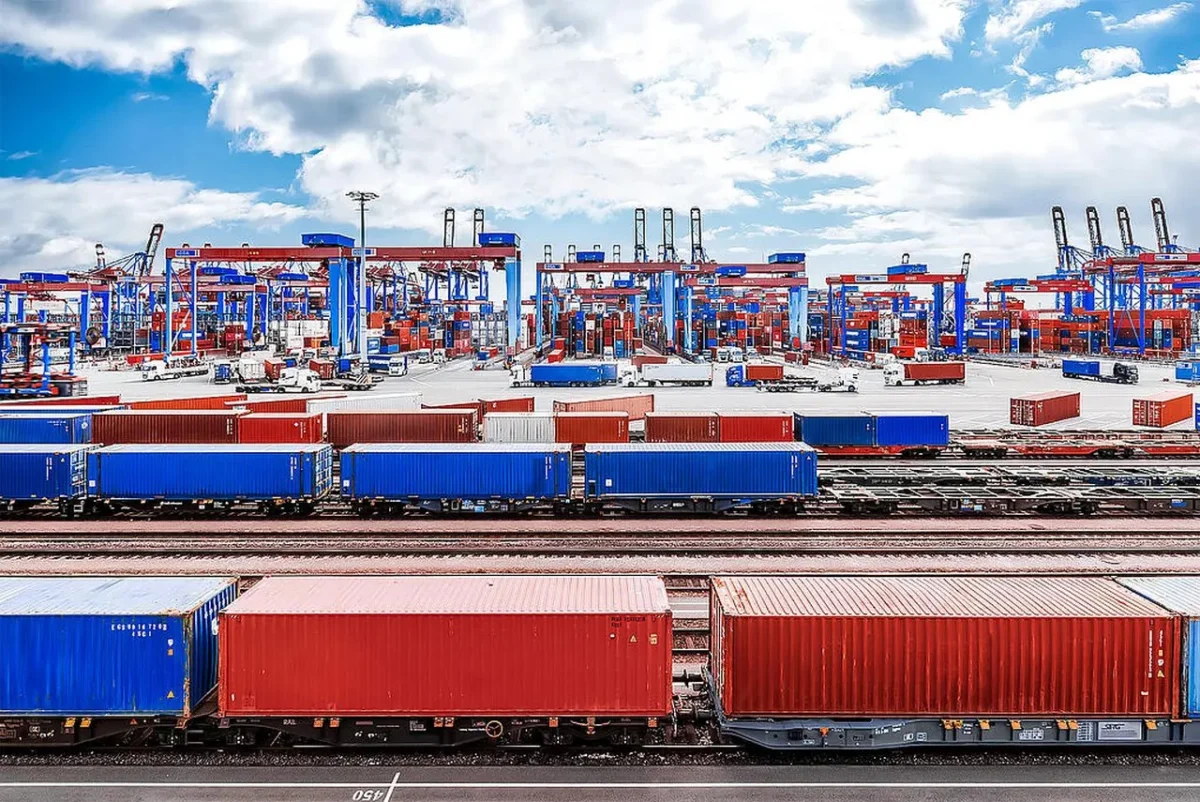
GDAŃSK, POLAND — In a landmark development for European logistics and maritime trade, Baltic Hub has officially signed a long-term 30-year lease agreement for a strategic 27-hectare site at the Port of Gdańsk. Finalized following a highly competitive tender procedure, the agreement paves the way for the construction of a state-of-the-art intermodal rail and container handling facility.
Designed to significantly bolster the terminal’s capacity, the multi-million-euro project will feature specialized infrastructure capable of accommodating full-length, 750-meter freight trains. This expansion is poised to redefine supply chain dynamics across Central and Eastern Europe, offering a robust, high-capacity, and environmentally sustainable gateway that connects maritime shipping directly to key inland economic corridors.
Main Facts
The core of the new infrastructure project centers on a 27-hectare plot situated immediately adjacent to Baltic Hub’s existing T2 deepwater container terminal. Because the property is already zoned for port activities and benefits from pre-existing rail connections, it represents the most practical and efficient location for the deployment of a second major rail facility for the terminal.
Key components of the strategic development include:
- Extended Rail Sidings: Construction of specialized rail infrastructure designed to seamlessly handle freight trains up to 750 meters in length, aligning with European Union rail interoperability standards.
- Expanded Storage Yards: Development of advanced container storage and handling yards to increase the overall throughput and dwell-time capacity of the terminal.
- Modern Handling Equipment: Procurement and deployment of heavy-duty, modern container-handling machinery to optimize intermodal transfer speeds.
- Enhanced Landside and Quayside Integration: Expansion efforts that bridge maritime operations with robust inland distribution networks, targeting a substantial shift of freight from road to rail.
While Baltic Hub has elected not to disclose the precise financial value of the investment or a granular completion timetable at this stage, the company confirmed that the project will be executed in carefully structured phases to ensure uninterrupted terminal operations.
Chronology
The realization of this major intermodal expansion is the culmination of years of strategic planning, tender preparation, and regional logistics forecasting.
- Pre-2026 (Strategic Planning & Network Realignment): As global supply chains faced mounting geopolitical pressures, shifting maritime routes, and an increasing reliance on direct services from Asia, the Port of Gdańsk and Baltic Hub identified a critical need for enhanced hinterland connectivity. Discussions began regarding how to absorb rising container volumes without creating landside bottlenecks.
- Early 2026 (Competitive Tender Process): The Port of Gdańsk Authority launched a competitive tender procedure for the 27-hectare parcel adjacent to the T2 terminal, specifically designating the land for port and intermodal transport expansion.
- August 4, 2026 (Official Agreement): Following a rigorous evaluation of the tender bids, the Port of Gdańsk Authority and Baltic Hub officially signed the 30-year lease agreement. This formalizes the land transfer and greenlights the phased engineering and construction phases.
- Post-2026 (Phased Development and Implementation): Baltic Hub transitions into the execution phase, focusing on site preparation, rail siding construction, yard paving, and the procurement of advanced handling equipment leading toward full operational integration.
Supporting Data & Strategic Frameworks
The expansion of Baltic Hub’s rail capabilities does not occur in a vacuum; it is heavily supported by regional logistics data, European modal shift targets, and corporate growth frameworks.
The Shift from Road to Rail
European transport policy increasingly prioritizes the reduction of carbon emissions through modal shifts—moving freight away from carbon-heavy road transport and onto electrified or high-efficiency rail corridors. The new 750-meter rail siding capability is critical in this regard. A single 750-meter freight train can remove dozens of heavy trucks from regional highways, cutting down on highway congestion, reducing infrastructure wear and tear, and drastically lowering greenhouse gas emissions per TEU (Twenty-Foot Equivalent Unit) transported.
Regional Competitiveness
The Port of Gdańsk has steadily risen through the ranks of Europe’s premier container ports, driven largely by direct mega-ship services connecting Europe directly with Asian manufacturing hubs. However, maintaining this competitive edge requires looking beyond the quayside. The new facility directly targets cargo flows destined for landlocked Central and Eastern European markets, strengthening Gdańsk’s competitive positioning against rival North Sea and Baltic ports for cargo moving toward:
- The Czech Republic
- Slovakia
- Ukraine
Corporate and Global Alignment
The project forms a critical building block within the broader operational strategies of Baltic Hub’s ownership consortium—comprising PSA International, the Polish Development Fund (PFR), and the IFM Global Infrastructure Fund. Specifically, the initiative directly supports PSA Group’s "Node to Network" strategy, which seeks to transform traditional maritime terminal "nodes" into deeply integrated, intelligent components of wider continental logistics networks.
Official Responses
Industry and government leaders have hailed the lease agreement as a visionary step for European logistics, highlighting its importance for economic resilience, sustainability, and regional growth.
Dorota Pyć, President of the Port of Gdańsk Authority, emphasized the strategic alignment of the project with national and regional goals:

"The signing of the lease agreement with Baltic Hub Container Terminal confirms the consistent implementation of the Port of Gdańsk’s development strategy. Thanks to direct services to and from Asia, the port can continue to strengthen its position among Europe’s leading ports."
Pyć further noted the broader macroeconomic relevance of the project:
"This investment will help increase the resilience of cargo flows amid geopolitical challenges and changes in global maritime transport."
Echoing these sentiments, Jan Van Mossevelde, Chief Executive Officer of Baltic Hub, framed the agreement as a pivotal moment for the terminal’s long-term operational roadmap:
"This lease agreement represents a pivotal milestone in Baltic Hub’s long-term strategy. The expansion of our rail terminal and yard capacity will strengthen hinterland connectivity by enabling a greater share of containers to be transported by rail."
Van Mossevelde underscored the environmental and efficiency benefits of the initiative:
"This will enhance network efficiency, reduce reliance on road transport, and support the modal shift needed to lower supply chain emissions."
Implications
The development of the second rail facility at Baltic Hub carries profound implications for multiple stakeholders across the global supply chain, ranging from shipping lines to regional economies.
For Shipping Lines and Carriers
As global ocean carriers continue to deploy increasingly large ultra-large container vessels (ULCVs) to optimize maritime economies of scale, European gateway ports must match maritime intake capacity with equal landside outtake capacity. The new infrastructure ensures that shipping lines calling at Gdańsk will not face terminal congestion. The ability to efficiently clear massive volumes of containers via 750-meter trains provides carriers with reliable turnaround times and predictable schedules.
For Regional Supply Chains and Importers
Importers, exporters, and logistics service providers operating across Poland, the Czech Republic, Slovakia, and Ukraine will benefit from enhanced supply chain reliability. By smoothing out bottlenecks and expanding storage yards, the terminal can better absorb peak-season surges and unexpected global logistics disruptions. Furthermore, as corporate sustainability mandates (such as ESG reporting and carbon tax implementations) tighten across the European Union, the availability of low-emission rail transport out of Gdańsk provides a distinct commercial advantage for businesses operating in the region.
For the Local and National Economy
For Poland, the 30-year commitment by Baltic Hub cements the country’s status as the premier logistics and distribution hub of Central and Eastern Europe. The phased construction project will stimulate local engineering, construction, and technology sectors, while the long-term operation of the expanded facility will secure high-skilled jobs in port management, rail logistics, and intermodal transport coordination.
Ultimately, the 27-hectare expansion project bridges the gap between massive ocean-going trade routes and the intricate web of European inland rail corridors, ensuring that Baltic Hub remains future-proof, highly competitive, and environmentally sustainable for decades to come.

