

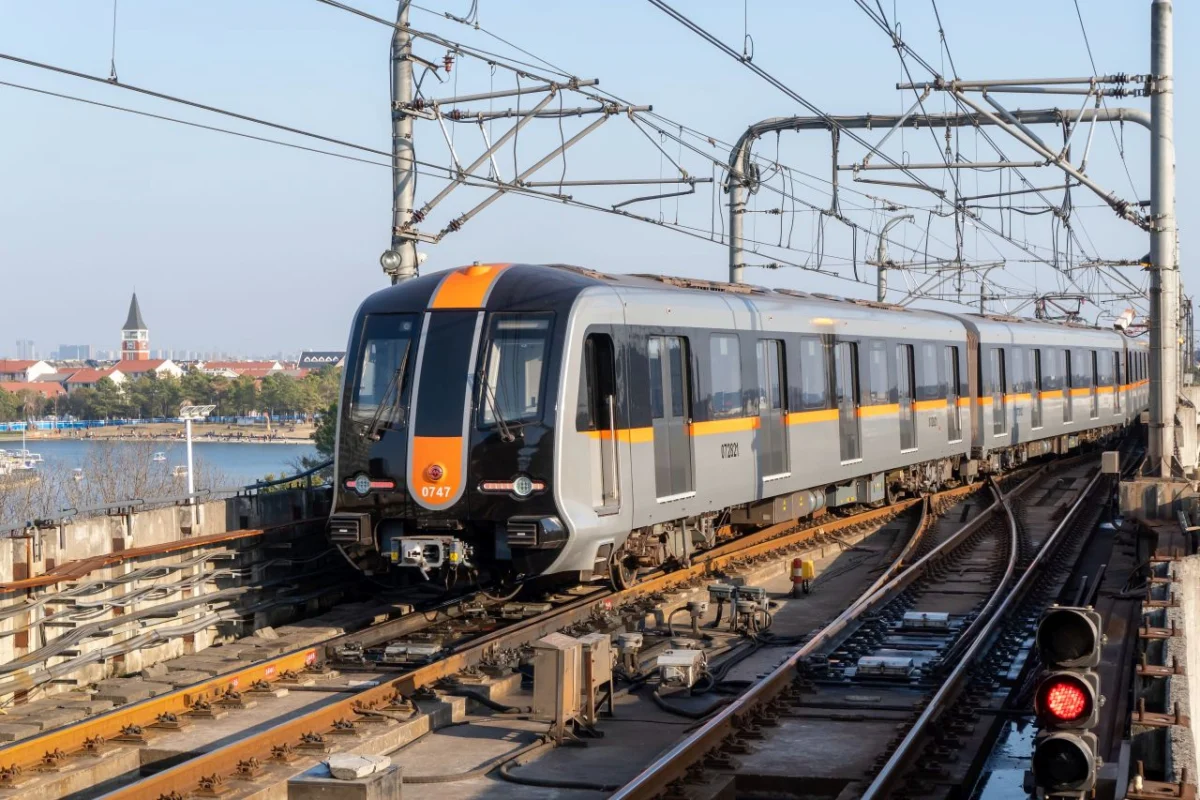
Introduction: A Historic Shift in Urban Mobility
For the first time in 21 years, the Shanghai Metro—the backbone of one of the world’s most bustling metropolises—is undergoing a comprehensive fare restructuring. Effective December 1, 2026, the municipal transit authority will implement a new pricing model, marking the end of a two-decade era of static ticket costs. The adjustment, which sees an average price increase of 21.3%, reflects the monumental expansion of a network that has evolved from a nascent urban rail system into a global leader in mass transit capacity and reach.
As Shanghai continues to solidify its status as a global financial and logistical hub, the municipal government has signaled that the fare hike is a necessary evolution. Officials state that the move is designed to ensure the financial sustainability of the network while aligning operating costs with the reality of a system that has grown more than sevenfold in size since the last major fare revision in 2005.
Chronology: From 2005 to the Present
To understand the significance of this change, one must look back at the state of Shanghai’s infrastructure two decades ago. In September 2005, when the current fare structure was originally ratified, the Shanghai Metro was a modest system, covering roughly 119 kilometres. It was a time when the city was still defining its modern identity, and the metro was an auxiliary service rather than the lifeblood of the daily commute.
- 2005: The baseline fare system is established. With only 119 km of track, the system was manageable, and operational costs were relatively low.
- 2005–2015: A decade of explosive growth. Shanghai embarked on an aggressive infrastructure campaign, expanding lines to the suburbs and connecting the Pudong New Area to the historic Puxi district.
- 2015–2025: Technological and geographic scaling. The network integrated advanced digital payment systems, automated signalling, and expanded to an astonishing 906 kilometres.
- 2026: The turning point. Following the completion of the latest expansion of Line 18, the network reached a total of 523 stations across 21 lines. Recognizing that the 2005 economic model could no longer support the 2026 footprint, the municipal authorities authorized the first major price revision in 21 years.
Supporting Data: The Anatomy of the Increase
The Shanghai Development and Reform Commission has been transparent regarding the mechanics of the new pricing. While the headlines focus on the 21.3% average increase, the actual impact on the daily commuter is graduated based on the distance travelled.
The Distance-Based Model
Shanghai has historically utilized a distance-dependent fare structure. Under the outgoing system, a minimum fare of 3 yuan (approximately EUR 0.40) covered the first six kilometres. Starting December 1, that minimum fare will cover only four kilometres, effectively tightening the threshold for the lowest price bracket.
Comparative Cost Analysis
The following table illustrates the shift for representative journey lengths:
| Journey Distance | Old Fare (Yuan) | New Fare (Yuan) | Percentage Increase |
|---|---|---|---|
| 4 km | 3 | 3 | 0% |
| 6 km | 3 | 4 | +33% |
| 15 km | 4 | 6 | +50% |
| 25 km | 5 | 8 | +60% |
| 120 km | 15 | 15 | 0% |
Notably, the system appears to protect long-distance commuters who traverse the sprawling metropolitan area. For extremely long journeys, such as a 120-kilometre trip, the fare remains capped at 15 yuan (EUR 2.06). This design choice suggests a policy intent to avoid penalizing commuters who live in the city’s far-flung outskirts, while applying the cost increase to the high-frequency, mid-range urban commutes that constitute the bulk of daily traffic.
Official Responses and Rationale
The decision to raise fares was not taken lightly. In China’s administrative culture, public utility pricing is a sensitive issue, often balanced against social stability and economic accessibility. The Shanghai Development and Reform Commission issued a statement emphasizing that the adjustment is essential to "optimize the allocation of public resources."
The Burden of Maintenance
Government officials pointed to the sheer scale of the 906-kilometre network. Maintaining 523 stations requires an enormous allocation of funds, covering everything from electricity and high-tech security systems to the wages of thousands of specialized staff. As the system aged, the costs of "lifecycle maintenance"—replacing rail sections, upgrading train cars, and ensuring climate control in underground stations—have risen significantly compared to the figures accounted for in 2005.

Strategic Redistribution
"The new mechanism aims to redistribute costs according to the distance travelled," an official spokesperson noted. By shifting the financial burden toward mid-range trips, the city hopes to create a more equitable balance between the taxpayer’s contribution and the user’s fee. Furthermore, the authorities have explicitly confirmed that they are introducing a tiered system of discounts for specific demographics—such as students, the elderly, and frequent commuters—to mitigate the impact on the most vulnerable sectors of society.
Implications: The Future of Shanghai’s Mobility
The fare hike is expected to have far-reaching implications for the city, ranging from economic shifts to transit usage patterns.
Economic Impact on Households
For the average Shanghai resident, the increase of approximately 0.9 yuan per trip may seem negligible in isolation, but for a daily commuter making two trips a day, this translates to an additional cost of nearly 40–50 yuan per month. In a city where living costs are already rising, this adjustment will inevitably lead to a re-evaluation of household budgets. However, given that public transport in Shanghai remains significantly cheaper than private car ownership or ride-hailing services, the Metro is expected to retain its status as the most cost-effective mode of transport.
Shifts in Transit Behaviour
Urban planners are observing the situation closely to see if the price changes will alter commuting habits. Some analysts predict a potential shift toward cycling or electric scooters for short-distance trips (the "last mile" problem), as the cost of taking the Metro for very short distances becomes less attractive. Conversely, the "cap" on long-distance fares may encourage continued residential development in outer districts, as the financial penalty for living further away from the city center is being minimized relative to the increase in mid-range pricing.
Global Benchmarking
Shanghai’s move brings its fare structure closer to that of other global megacities like Tokyo, London, or New York. For years, Shanghai maintained artificially low fares to encourage the adoption of mass transit. Now, as a mature system, the Shanghai Metro is moving toward a "user-pays" model that is common in more developed economies. This shift is a marker of Shanghai’s transition from a city of rapid growth to one of optimized, high-efficiency management.
Conclusion: A Balancing Act
The Shanghai Metro’s decision to increase fares after 21 years is a testament to the sheer scale of the city’s progress. While no commuter welcomes a price hike, the infrastructure investment required to keep 906 kilometres of track running safely and efficiently is substantial.
As of December 1, 2026, the city will enter a new phase of urban management. The success of this policy will depend on the municipal government’s ability to ensure that the promised discounts reach those who need them most and that the revenue generated is clearly reinvested into the quality, safety, and reliability of the service. For now, the world’s largest metro network stands as a symbol of Shanghai’s ambition—a system that has evolved from a local convenience to a massive, complex organism that is now adapting to its own success.
The coming months will provide the first real-world data on how this adjustment influences the daily rhythms of the 30 million residents who call Shanghai home. Whether it prompts a shift toward alternative transport or is simply absorbed as a necessary cost of modern life, the change marks a definitive milestone in the city’s history.

