

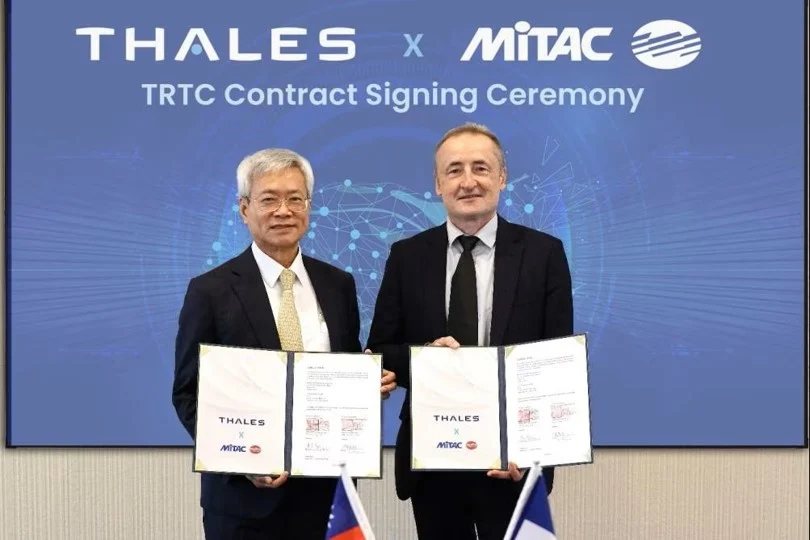
The Taipei Rapid Transit Corporation (TRTC) has officially embarked on a transformative journey to modernize the passenger experience across its extensive rail network. By selecting a consortium led by Thales and Mitac Information Technology Corp. (Mitac), the Taipei Metro is set to overhaul its Automatic Fare Collection (AFC) system, transitioning from traditional, limited-payment methods to a cutting-edge, multi-modal electronic payment ecosystem. This multi-million-dollar initiative marks a significant milestone in Taipei’s digital transformation, aligning the city’s transit infrastructure with global trends toward seamless, contactless urban mobility.
Main Facts: A New Era for Taipei’s Transit Payments
The project, commissioned by the Taipei City Government and TRTC, involves a comprehensive upgrade to the fare collection infrastructure across the entire Taipei Metro network. Spanning 137 kilometers and connecting 120 stations, the network serves as the backbone of the city’s transportation, managing approximately 2 million passenger transactions daily.
At the heart of this upgrade is the modernization of over 1,500 fare gates. The current system—which relies primarily on contactless tokens, physical tickets purchased at vending machines, and traditional stored-value cards like EasyCard, iCash, and iPass—is being replaced with an agile, high-tech solution.
The new architecture will integrate:
- EMV Contactless Payments: Passengers will be able to tap-to-pay using global credit and debit card networks, including VISA, MasterCard, American Express, and JCB.
- QR Code Integration: The gates will be retrofitted to scan digital QR codes, supporting both proprietary TRTC SJQR codes and various third-party transit QR options, such as LinePay Money, EasyCard, and iCash transit services.
By upgrading the Electronic Main Module (EMM) of the gates, the consortium ensures that the infrastructure remains future-proof, capable of adapting to emerging payment technologies as they evolve.
The Chronology: A History of Partnership and Innovation
The selection of Thales and Mitac was not a spontaneous decision but the culmination of a long-standing industrial synergy.
The Foundation of Trust
Thales, a global leader in ground transportation systems (GTS), has maintained a consistent presence in Taiwan’s transport sector for years. Its partnership with Mitac Information Technology Corp. has been a cornerstone of this market presence. Over the past decade, the two companies have collaborated on various infrastructure projects, building a track record of reliability and technical excellence.
Defining the Requirement
As passenger expectations shifted toward digital-first interactions, the Taipei City Government identified a clear need to move away from legacy systems. The policy directive was simple: provide the city’s 2 million daily commuters with the same level of convenience they experience in the retail and commercial sectors. Following a period of strategic planning, the tender process was initiated to find a partner capable of retrofitting sensitive, high-traffic legacy equipment without disrupting daily operations.
The Award and Current Status
With the contract awarded in late 2023, the project entered its initial design phase. Currently, the consortium is in the early stages of engineering the retrofitting kits for the existing AFC gates. The project follows a phased implementation schedule, designed to ensure that the transition to the new payment modules happens with zero downtime for commuters. The next key milestone involves the pilot deployment of the new modules at select high-traffic stations to test integration with international banking networks and mobile payment providers.
Supporting Data: Why the Upgrade Matters
To understand the scale of this project, one must look at the density of the Taipei Metro system.
- Network Reach: The Taipei Metro comprises six major lines spanning 137 km.
- Capacity: With 120 stations and over 1,500 gates, this is one of the most high-volume transit environments in Asia.
- Transaction Volume: Managing 2 million transactions a day requires a system that is not only fast—to prevent bottlenecks during peak hours—but also highly secure to handle sensitive financial data.
The current system’s reliance on stored-value cards, while efficient for regular commuters, creates a barrier for tourists and occasional travelers who may not have local cards. By integrating EMV and QR code payments, TRTC is removing this "friction point." International travelers arriving at Taipei’s airports can now use their existing credit cards to access the metro, mirroring the ease of transit systems in cities like London, Singapore, and New York.
Official Responses: Aligning Industry and Government Goals
The leadership teams of both Thales and Mitac have expressed strong optimism regarding the project’s success, emphasizing that the contract is a testament to the stability of their long-term cooperation.
A Milestone for Mitac
Kent Chen, Vice President of Mitac, highlighted the strategic importance of this win. “We are proud to maintain a long-term partnership with Thales GTS,” Chen stated. “This project award demonstrates our huge success and winning customer trust in our technology solutions. The next key milestone will be to deliver the project as committed.”
For Mitac, this project is a validation of their ability to integrate complex software solutions into the rugged hardware environments required by public transport.
Thales’ Vision for Future Transit
Jean-Marc Reynaud, Vice President for Revenue Collection Systems at Thales, focused on the broader implications for the Taiwan market. “We are very pleased to collaborate with our long-term partner Mitac on this project for the Taipei Mass Rapid Transit in Taiwan,” Reynaud noted. “The award of this project has reinforced the position of Thales in the transport market in Taiwan with the support and trust from our long-term customer and partner. We look forward to many more achievements and occasions to demonstrate our expertise together in the future.”
The sentiment from both executives underscores a shared philosophy: that the successful modernization of public infrastructure is built on long-term relationships rather than transient, single-project vendor agreements.
Implications: A Smarter, More Inclusive City
The implications of this upgrade extend far beyond the installation of new gate modules.
1. Enhanced Passenger Experience
The most immediate impact will be the reduction of "fare friction." Tourists, who currently face the inconvenience of purchasing physical tokens, will find the system far more accessible. By allowing payments via smartphone and credit card, the metro becomes a more seamless extension of the user’s daily digital life.
2. Operational Efficiency for TRTC
By diversifying the payment ecosystem, TRTC can reduce the costs associated with maintaining physical ticket vending machines and the processing of cash. Digital transactions are inherently more trackable and offer the transit authority better data insights into passenger travel patterns, which can then be used to optimize train schedules and station staffing.
3. A Template for Smart Cities
Taipei’s move toward a multi-modal electronic payment system serves as a blueprint for other metropolitan areas in Asia. As urban populations continue to grow, the integration of public transit with the broader financial ecosystem is essential. This project places Taipei at the forefront of the "Smart City" movement, where transit authorities act as hubs for digital services rather than just providers of mobility.
4. Technical Challenges and Resilience
Retrofitting 1,500 gates across 120 stations is a significant technical undertaking. The consortium must ensure that the new Electronic Main Modules (EMM) are compatible with legacy hardware while meeting the stringent cybersecurity requirements of financial transactions. This necessitates a robust testing phase to ensure that the system is resistant to fraud and system outages.
Conclusion: Setting the Pace for Global Transit
The collaboration between Thales and Mitac to upgrade the Taipei Metro’s fare collection system is a forward-thinking initiative that addresses the needs of a modern, fast-paced society. By embracing EMV and QR-based payments, TRTC is not merely updating its hardware; it is upgrading the city’s accessibility.
As the project progresses through its implementation phases, the eyes of the global transit industry will be on Taipei. The ability to successfully modernize such a high-volume, legacy-heavy network will provide valuable lessons for other global cities looking to move away from proprietary card systems toward open-loop, digital-first payment infrastructures.
Ultimately, this project reaffirms the role of public-private partnerships in urban development. With the backing of the Taipei City Government and the technical prowess of Thales and Mitac, the future of the Taipei Metro looks increasingly bright—faster, more inclusive, and significantly more connected. As passengers prepare for a new era of "tap-and-go" transit, the city of Taipei continues to prove that it is not just keeping up with global standards, but setting them.

