

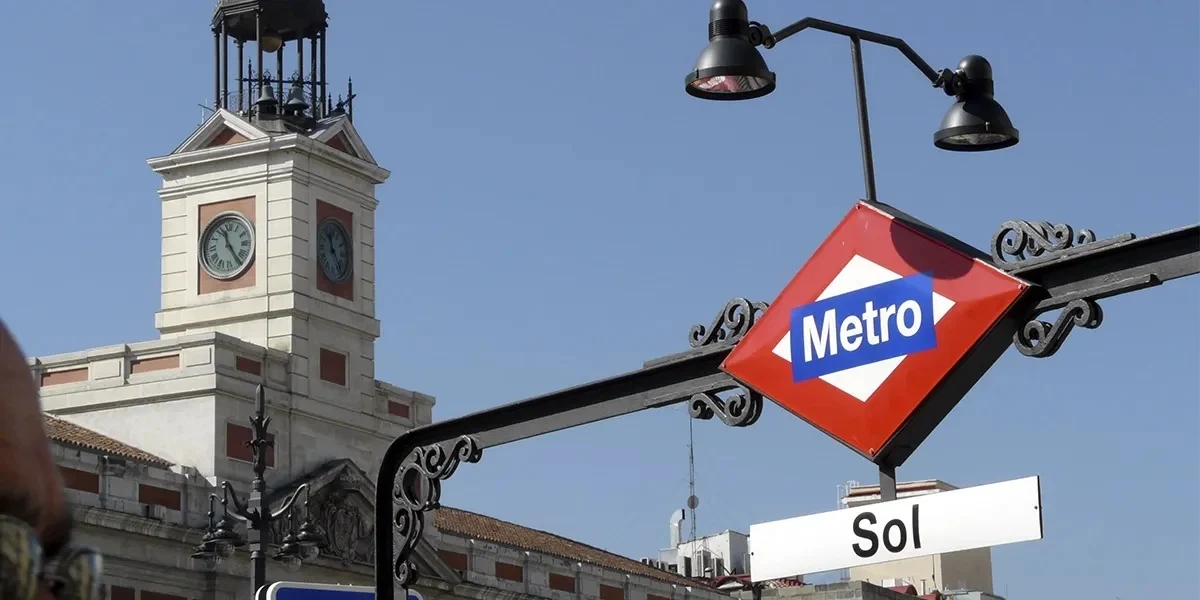
The Community of Madrid has officially greenlit a significant capital injection of €10.9 million aimed at the comprehensive maintenance of the Metro de Madrid network. This strategic investment is designed to fortify the structural integrity, operational reliability, and passenger experience of a system that spans over 300 kilometres of track and serves as the lifeblood of the Spanish capital’s daily commute. As one of Europe’s most utilized and expansive urban transport networks, the Metro de Madrid requires constant vigilance and technological updating to meet the demands of a growing population.
Main Facts: The Scope of the Investment
The project, recently reviewed and approved by the regional government’s Council of Ministers, focuses on a four-year technical assistance contract. This contract is not merely a routine service agreement but a specialized technical intervention intended to modernize the preventative maintenance protocols of the entire network.
The core objective is to move beyond reactive repairs and toward a model of predictive maintenance. By leveraging advanced engineering oversight, the regional government aims to address the wear and tear inherent in a system that operates around the clock. The investment will target critical infrastructure, including the permanent way (tracks), signaling systems, and power distribution networks, ensuring that the system remains resilient against the mechanical stresses of high-frequency daily use.
Chronology of Infrastructure Development
The modernization of the Madrid Metro is not a singular event but a continuous process rooted in decades of expansion and adaptation.
- The Foundation: Since its inauguration in 1919, the Metro has grown from a single line into one of the largest networks in the world. Its rapid expansion in the late 20th and early 21st centuries cemented its status as a global benchmark for urban rail transit.
- The 2024 Strategic Pivot: Throughout the current year, the government has accelerated its capital expenditure, recognizing that the network’s age requires a more aggressive maintenance schedule.
- Recent Funding Milestones: This €10.9 million allocation follows the landmark approval of €53 million designated specifically for broader infrastructure conservation. Together, these funds create a multi-layered financial strategy aimed at "future-proofing" the network.
- The Four-Year Horizon: The technical assistance contract is scheduled to run through 2028, providing a stable, long-term framework for engineering firms to implement consistent maintenance standards across all lines.
Supporting Data: Why Maintenance Matters
The necessity of this investment is underscored by the sheer scale of the Metro de Madrid’s operations. In 2024 alone, the system facilitated over 715 million passenger journeys. When a system handles such immense volumes of traffic, the margin for error is razor-thin.
Technical Performance Metrics
The maintenance program is designed to deliver measurable improvements in several key performance indicators (KPIs):
- Reduction in Service Interruptions: By identifying track degradation early, the project aims to minimize "service warnings," which often result in speed restrictions or temporary line closures.
- Noise and Vibration Mitigation: A significant portion of the maintenance focus is on the interface between the wheel and the rail. Upgrading ballast and rail fastenings will directly contribute to a quieter, smoother ride, enhancing the quality of life for both passengers and residents living above ground-level segments.
- Longevity of Assets: Infrastructure lifespan is extended by 15–20% through rigorous, scheduled maintenance cycles. This "preventative care" approach saves the taxpayer millions in the long run by delaying the need for full-scale reconstruction.
Operational Methodology
A defining feature of this project is the commitment to "zero-impact" execution. All major works are scheduled to take place during the night, specifically during the hours when the network is closed to the public. This approach ensures that the 715 million annual passengers experience no disruption to their daily routines, maintaining the metro’s status as a reliable transport artery.
Official Responses and Strategic Vision
Government officials have positioned this investment as a cornerstone of the region’s broader mobility strategy. A spokesperson for the Community of Madrid noted that "the Metro is not just a mode of transport; it is the infrastructure upon which the economic vitality of the capital depends."
The government’s rhetoric emphasizes that while building new lines often captures the headlines, the "silent" work of maintenance is what sustains the quality of a global city. By prioritizing technical assistance, the government is essentially outsourcing high-level engineering expertise to ensure that the network adheres to the highest European safety standards. This strategy is also aligned with the European Union’s push for sustainable urban mobility, as a well-maintained metro system encourages the shift from private car ownership to public transit, thereby reducing the city’s carbon footprint.
Implications: A Resilient Future for Madrid
The implications of this €10.9 million investment are multifaceted, impacting the economy, the environment, and the social fabric of the region.
Economic Impact
A metro system that functions with high reliability is a primary driver of economic activity. It allows the labor force to move efficiently between residential hubs and business districts. By minimizing incidents and delays, the Madrid government is effectively protecting the productivity of the city. Furthermore, the contract provides long-term employment for specialized engineers and technical staff, stimulating the regional rail-maintenance sector.
Social and Environmental Sustainability
The Madrid Metro serves as a social equalizer, providing affordable and accessible mobility to millions. When the system is reliable, it becomes the preferred choice for commuters of all socioeconomic backgrounds. Environmentally, the investment supports the continued decarbonization of Madrid. Every passenger who chooses the Metro over a private vehicle represents a reduction in greenhouse gas emissions and urban congestion. As the city grows, the resilience of this infrastructure becomes a prerequisite for sustainable urban development.
Technical Resilience and Digital Integration
Looking ahead, this maintenance contract is expected to incorporate elements of digital monitoring. Future phases of the modernization project are likely to involve the integration of IoT (Internet of Things) sensors on the tracks. These sensors will feed real-time data to the maintenance teams, allowing for "condition-based" maintenance rather than "calendar-based" maintenance. This technological leap, supported by the current foundation of technical assistance, will ensure that the Metro de Madrid remains at the forefront of global transit technology.
Conclusion
The decision by the Community of Madrid to invest a combined total of over €60 million—comprised of the recent €53 million for infrastructure and this targeted €10.9 million for technical maintenance—demonstrates a sophisticated understanding of urban management. It acknowledges that in a mature city like Madrid, the greatest challenge is not merely expanding the network, but preserving the efficiency and safety of what already exists.
As the network continues to facilitate the movement of hundreds of millions of people, this investment acts as an insurance policy. It guarantees that the Metro de Madrid will continue to serve as a reliable, modern, and sustainable backbone for the region for decades to come. By prioritizing the night-time upkeep of the rails, the government ensures that when the sun rises over Madrid, the city’s heart continues to beat without interruption, supporting the aspirations of every commuter who steps onto a platform.
This, ultimately, is the essence of modern urban governance: ensuring that the essential systems that define daily life are not just functional, but exemplary. As the four-year contract commences, the people of Madrid can be confident that their metro system is being engineered for a future of continued growth, comfort, and safety.

