

Introduction: A New Era for Slovak Mobility
The Slovak national railway operator, Železničná spoločnosť Slovensko (ZSSK), has officially announced a transformative partnership with FAIRTIQ, the Swiss-based leader in mobile ticketing technology. This collaboration marks the launch of a comprehensive, nationwide pilot project for "Mobile Pay-As-You-Go" (MPAYG) ticketing.
Set to debut in January 2026, this one-year trial represents a radical shift away from traditional, complex ticketing structures toward a friction-free, user-centric model. By removing the need for passengers to navigate fare zones, select specific connections, or queue at physical ticket machines, ZSSK is positioning itself at the forefront of European digital transit innovation. This initiative is not merely a technological upgrade; it is a strategic effort to modernize the customer experience, optimize operational efficiency, and gain critical insights into how the nation moves.
The Core Mechanics: Simplifying the Passenger Journey
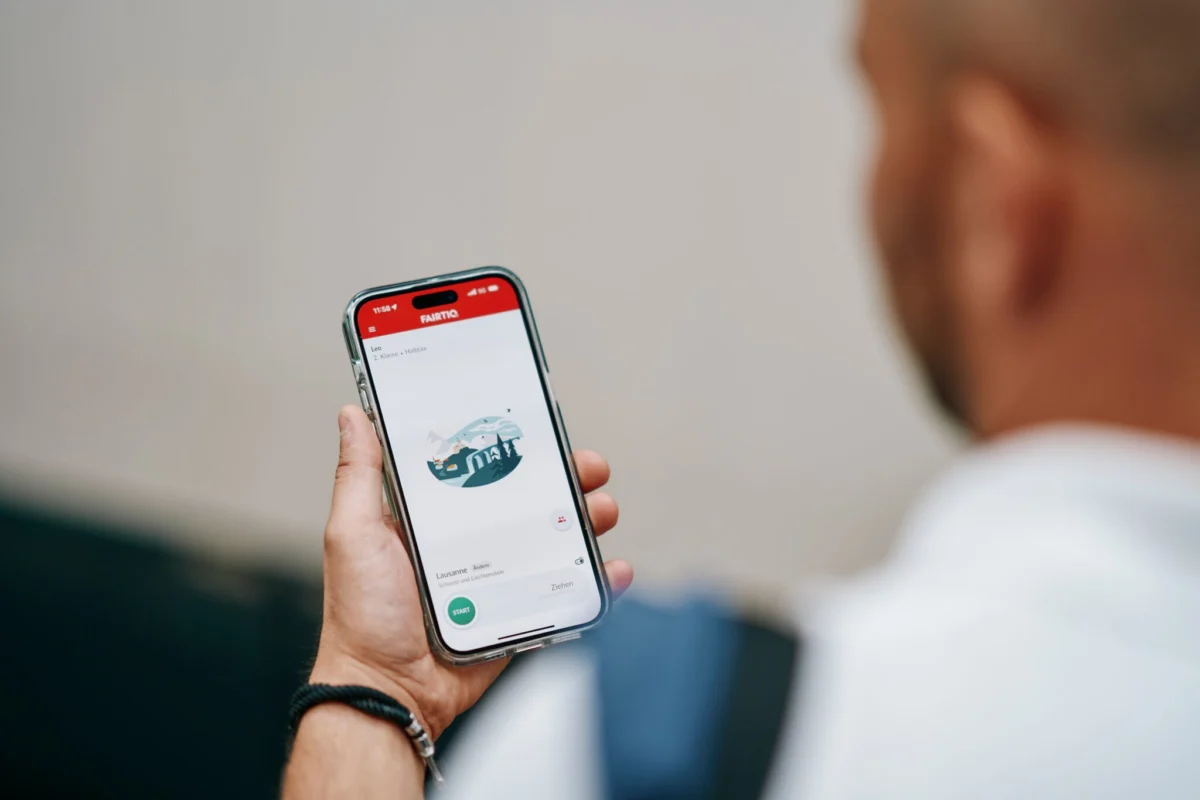
At the heart of this initiative is the "Check-in/Check-out" (CICO) technology provided by FAIRTIQ. For the average passenger, the process is deceptively simple:
- Check-in: Upon boarding, the user opens the FAIRTIQ app and swipes a button to start their journey.
- Travel: The passenger boards any ZSSK-operated domestic route without needing to pre-purchase a ticket.
- Check-out: Upon arrival at their destination, the user swipes again to terminate the journey.
The backend of the system handles the complexities that currently burden the passenger. It automatically calculates the fare based on the actual distance traveled, applying ZSSK’s existing fare policies, discounts, and regional adjustments. By eliminating the friction of fare zone calculation and route planning, the system effectively turns every smartphone into a personal, automated ticket machine.
Chronology of the Initiative
The road to this pilot has been paved by years of digital transformation within ZSSK.
- Early 2020s: ZSSK begins prioritizing its four-pillar modernization strategy, focusing on employer branding, fleet renewal, digital services, and financial stability.
- Mid-2025: Strategic assessment of digital ticketing trends across Europe reveals a shift toward account-based, pay-as-you-go models.
- August 2025: Official announcement of the partnership with FAIRTIQ.
- September–December 2025: Technical integration phase, including backend systems synchronization and UI/UX testing.
- January 2026: Official launch of the one-year pilot program across all domestic ZSSK routes.
- January 2027: Evaluation phase to determine the viability of a permanent, nationwide roll-out.
Supporting Data: The Case for Digitalization
ZSSK’s move is driven by hard data. According to recent internal metrics, over 52% of the operator’s customer base has already migrated to digital channels for ticket procurement. This shift indicates a clear consumer preference for mobile-first interactions.
The pilot will encompass the entirety of ZSSK’s domestic network, which includes essential transport arteries and iconic, high-traffic regional lines. These include:
- The Tatra Electric Railway (TEŽ): A vital tourism and local transit link in the High Tatras.
- The Cogwheel Railway (OŽ): A specialized line requiring precise fare management.
- Primary Intercity and Regional Routes: Covering the length and breadth of Slovakia.
Beyond convenience, the system serves as a powerful data-gathering tool. By anonymizing travel data, ZSSK will be able to map passenger flows with unprecedented accuracy. This data will allow the operator to identify "bottleneck" hours, adjust carriage capacity to match actual demand, and optimize scheduling—all while maintaining strict adherence to GDPR and local data privacy regulations.
Official Perspectives: The Vision of Leadership
Peter Helexa, CEO of ZSSK, views this partnership as an essential step in the company’s evolution. "More than 52% of our customers already use digital channels to purchase tickets via mobile or online platforms," Helexa noted in a recent press briefing. "FAIRTIQ is therefore a natural next step for us on the path towards simpler and more convenient rail travel."
Helexa emphasizes that the goal is to make rail travel the "default" choice for Slovaks. By lowering the barrier to entry, ZSSK hopes to convert car-dependent travelers to rail, thereby contributing to the national goals of reduced carbon emissions and decreased traffic congestion.
The partnership also aligns with the broader European trend of "Mobility as a Service" (MaaS). By integrating FAIRTIQ, ZSSK is essentially creating a blueprint for a unified, national transport ecosystem that could eventually encompass buses, trams, and urban micro-mobility solutions.
Implications: A Catalyst for Future Growth
The implications of this pilot reach far beyond the simple act of buying a ticket.
1. Operational Efficiency
By reducing the reliance on physical ticket counters and onboard manual ticket verification, ZSSK can redirect human resources to more high-value roles, such as customer service and security. The automated nature of the CICO model reduces the overhead costs associated with cash handling and paper ticket production.
2. Social and Environmental Impact
For the casual traveler, the "fear of the wrong ticket" is a major deterrent to using public transport. By removing this barrier, ZSSK anticipates a potential uptick in ridership. If the pilot succeeds, it will demonstrate that public transport can compete with the convenience of private car ownership, particularly for short-to-medium-distance travel.
3. Data-Driven Service Design
For decades, transport operators have relied on periodic surveys to understand demand. The FAIRTIQ pilot replaces subjective surveys with objective, real-time data. This allows ZSSK to make evidence-based decisions about infrastructure investment. If data shows high demand on specific routes during off-peak hours, the operator can proactively introduce new services, creating a virtuous cycle of increased utility and increased ridership.
4. Setting the Standard for Central Europe
Slovakia is often viewed as a bellwether for transit modernization in Central and Eastern Europe. If the ZSSK-FAIRTIQ pilot proves successful, it will likely serve as a case study for neighboring countries. The modularity of the FAIRTIQ platform means that it could, in theory, be scaled or adapted by other regional transport authorities, eventually leading to a cross-border or even a multi-modal national transport framework.
Challenges and Considerations
Despite the optimism, the transition will not be without its hurdles. ZSSK must address the "digital divide" to ensure that the elderly or those without smartphones are not left behind. Furthermore, the accuracy of the CICO system depends on robust GPS and mobile connectivity across Slovakia’s diverse terrain, particularly in mountainous regions like the Tatras.
However, the one-year duration of the pilot is specifically designed to stress-test these variables. During this period, ZSSK plans to maintain traditional ticketing methods in parallel, ensuring that the transition is inclusive and that any technical glitches are resolved before a potential full-scale migration.
Conclusion: Looking Toward 2027
The January 2026 launch of the ZSSK-FAIRTIQ pilot marks a turning point in the modernization of the Slovak rail network. By prioritizing user experience through digital innovation, ZSSK is not only responding to the demands of a tech-savvy generation but is also laying the groundwork for a more efficient, sustainable, and data-informed transport system.
As the industry watches the pilot unfold, the ultimate success of the program will be measured not just by the number of app downloads, but by the tangible impact on passenger satisfaction and the operator’s ability to use the resulting data to build a rail network that truly serves the needs of the Slovak population. If successful, 2027 could see a permanent shift in how Slovaks interact with their national railway, ushering in a future where the train is as easy to board as it is to dream of the destination.

