

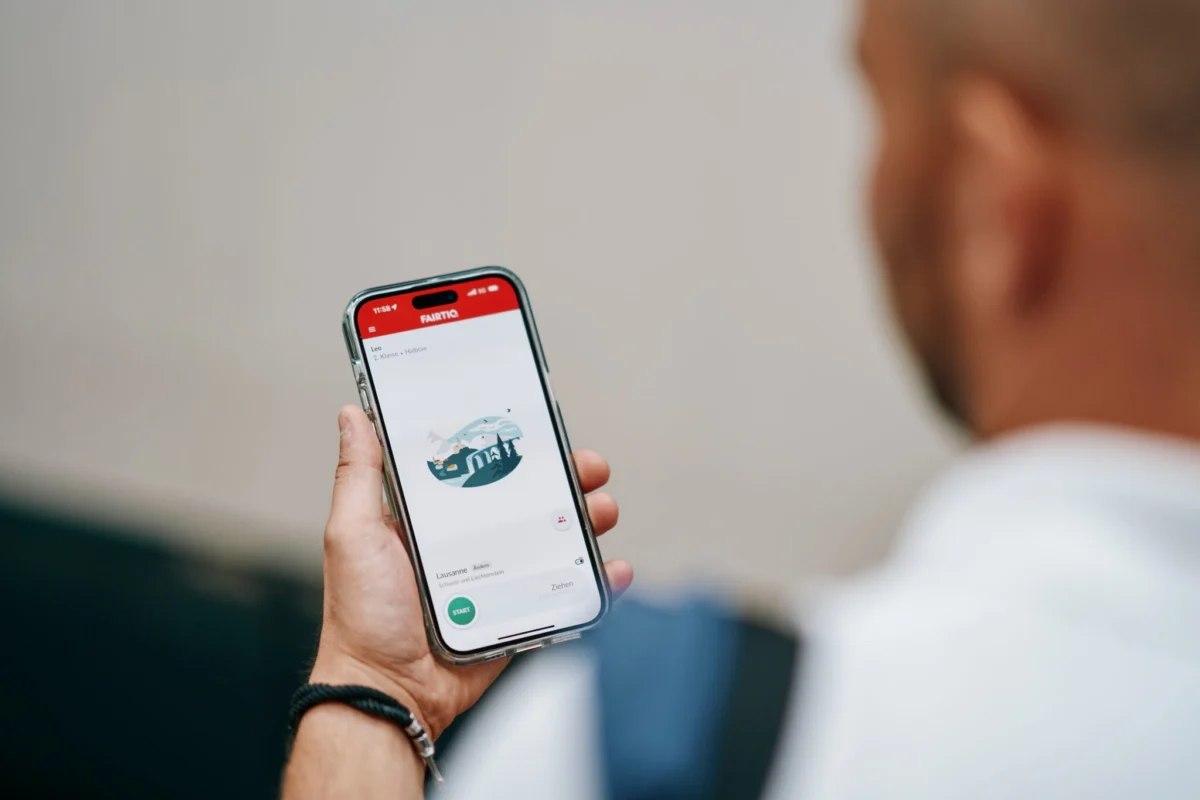
In a significant leap toward the digital transformation of Central European transit, Slovakia’s national railway operator, Železničná spoločnosť Slovensko (ZSSK), has officially announced a strategic partnership with Swiss-based ticketing innovator FAIRTIQ. Starting in January 2026, the two organizations will launch a nationwide pilot program for mobile pay-as-you-go (MPAYG) ticketing, marking a paradigm shift in how passengers interact with the country’s rail network.
This initiative is not merely a technological update; it is a fundamental redesign of the passenger journey. By replacing complex fare structures and physical ticketing hurdles with a frictionless “check-in/check-out” system, ZSSK aims to eliminate the friction that currently discourages casual transit users. As the rail operator moves to modernize its infrastructure, this project stands as a cornerstone of its broader strategy to integrate digital convenience into the fabric of daily Slovak life.
Main Facts: The Mechanics of Frictionless Travel
The core of this partnership is the deployment of FAIRTIQ’s industry-leading mobile technology across the entire ZSSK domestic network. Unlike traditional mobile ticketing apps that require users to pre-select routes, zones, or fare classes, the FAIRTIQ-powered system utilizes location-based technology to handle the heavy lifting of fare calculation automatically.
How the System Operates:
- The Check-In: Before boarding the train, the passenger opens the FAIRTIQ app and performs a single swipe. The app detects the start of the journey using GPS and sensor technology.
- The Journey: Passengers are free to board any ZSSK-operated train. There is no requirement to navigate complex tariff schedules or worry about regional zone boundaries.
- The Check-Out: Upon reaching their destination, the passenger performs a final swipe. The system then intelligently calculates the most cost-effective fare based on the distance traveled and the official ZSSK fare policy.
- Automated Billing: Payments are processed post-journey, ensuring that the passenger always receives the best available price without the stress of manual ticket selection.
This pilot covers the entire domestic network, including the high-traffic urban corridors and the highly specialized, scenic routes such as the Tatra Electric Railway and the historic Cogwheel Railway. By removing the need for ticket machines, physical counters, and pre-purchased paper tickets, ZSSK is effectively placing a "smart ticket machine" in the pocket of every passenger.
Chronology: The Road to Modernization
The partnership between ZSSK and FAIRTIQ follows a rigorous internal assessment by the national operator regarding its digital readiness.
- Q3–Q4 2025: Preparatory Phase: ZSSK and FAIRTIQ are currently finalizing the technical integration of the backend ticketing infrastructure. This phase involves mapping the complex ZSSK tariff grid into the FAIRTIQ algorithm to ensure compliance with national fare regulations.
- January 2026: Official Pilot Launch: The service goes live across all domestic ZSSK routes. The pilot is scheduled to run for an initial 12-month period, serving as a real-world testing ground for user adoption and system stability.
- Mid-2026: Mid-Term Review: Data collection regarding passenger flow and user feedback will be analyzed to adjust the system’s responsiveness and ensure seamless integration with existing station infrastructure.
- January 2027: Evaluation and Future Planning: Upon the conclusion of the one-year pilot, ZSSK will evaluate the project’s KPIs. A successful outcome would likely result in the permanent adoption of the MPAYG model and a potential expansion to include multi-modal transport integration.
Supporting Data: The Case for Digital Transformation
ZSSK’s decision to move toward a fully mobile-first ticketing environment is backed by compelling internal data. The operator reports that over 52% of its customer base has already migrated to digital platforms for ticket purchasing. This clear trend indicates that the Slovak public is not only ready for, but expectant of, a more sophisticated mobile experience.
Market Drivers for the Shift:
- Usage Efficiency: With more than half of passengers opting for online or mobile channels, the transition to a swipe-based system aligns with existing user behavior.
- Operational Savings: By reducing the reliance on legacy hardware (vending machines) and physical ticketing infrastructure, ZSSK can redirect capital toward upgrading its rolling stock and improving service frequency.
- Data-Driven Decision Making: One of the most significant advantages of this pilot is the generation of high-fidelity, anonymized passenger mobility data. Unlike legacy systems that provide limited insight into how passengers move across the network, the FAIRTIQ system provides granular, real-time data on origin-destination patterns. This data will be instrumental for ZSSK in optimizing scheduling, managing capacity, and responding to shifts in demand with surgical precision.
Official Responses: Aligning Strategy with Innovation
The leadership at ZSSK views this partnership as a testament to their commitment to becoming a modern, service-oriented European railway.
Peter Helexa, CEO of ZSSK, emphasized the strategic importance of this development:
"More than 52% of our customers already use digital channels to purchase tickets via mobile or online platforms. FAIRTIQ is therefore a natural next step for us on the path towards simpler and more convenient rail travel. Our goal is to make the railway the primary choice for travel in Slovakia by removing every possible barrier to entry. This pilot is the embodiment of our four pillars: stability, modern fleet, modern services, and financial strength."
The collaboration also signifies a milestone for FAIRTIQ, which has already seen significant success in markets like Switzerland and Germany. By entering the Slovak market, the company is demonstrating the scalability of its "Smart Ticketing" technology in diverse regulatory and operational environments.
Implications: A New Era for Slovak Mobility
The implications of this pilot project extend far beyond the immediate convenience of a simplified ticketing app.
1. Enhancing Passenger Experience
For the average commuter, the primary benefit is the reduction of "cognitive load." Modern public transport often suffers from overly complex tariff systems that confuse occasional users. By standardizing the experience through a simple "check-in/check-out" interface, ZSSK is effectively lowering the psychological threshold for using public transport.
2. Strategic Data Privacy and Security
ZSSK has made it clear that while data collection is a central goal, privacy remains a non-negotiable priority. The data harvested through the pilot will be strictly anonymized, ensuring that while the operator can see how the network is being used, individual passenger identities are protected in full compliance with GDPR and Slovak data protection laws.
3. Sustainability and Modal Shift
By making rail travel easier to access, ZSSK is actively promoting a modal shift from private vehicles to public rail. In an era where sustainability and carbon footprint reduction are at the forefront of national agendas, increasing the attractiveness of the national railway network is a vital component of Slovakia’s environmental strategy.
4. A Blueprint for the Future
If the 2026 pilot achieves its performance benchmarks, it will provide a scalable framework for a nationwide, integrated mobility-as-a-service (MaaS) ecosystem. This could potentially see the FAIRTIQ integration extend beyond trains to include regional buses, trams, and urban transit systems, creating a truly unified travel experience for the entire country.
Conclusion
The partnership between ZSSK and FAIRTIQ represents a bold step forward in the modernization of Slovakia’s national infrastructure. By prioritizing the user experience through cutting-edge technology, ZSSK is not only responding to the digital habits of its passengers but is also positioning itself as a leader in the evolution of European rail travel.
As the January 2026 launch date approaches, the eyes of the European transport sector will be on Slovakia. If the pilot succeeds in converting the simplicity of a smartphone swipe into increased ridership and operational efficiency, it will set a new gold standard for public transit, proving that the future of the railway lies in the seamless intersection of human-centric design and digital intelligence.

