

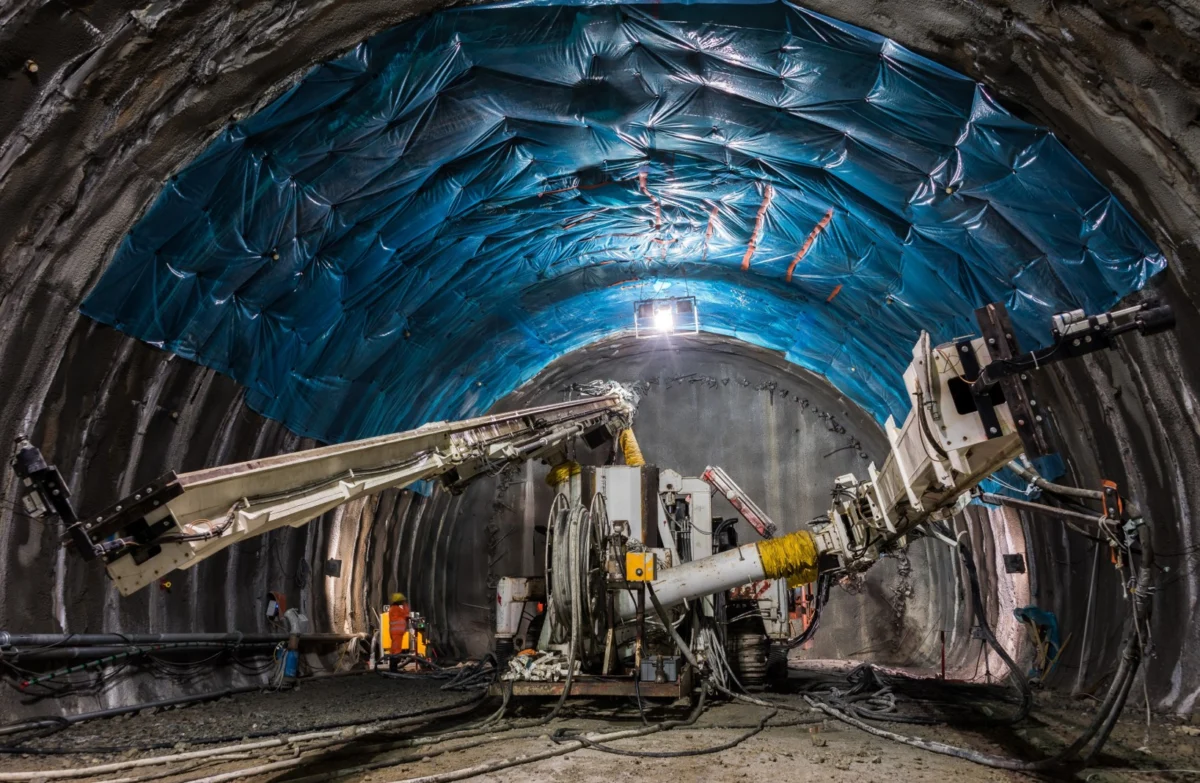
In a significant stride toward revolutionizing trans-European freight and passenger transport, Rete Ferroviaria Italiana (RFI), the state-owned infrastructure manager, has initiated the procurement process for the southern approach to the Brenner Base Tunnel (BBT). This monumental infrastructure project, valued at approximately €1.52 billion, represents a critical link in the Scandinavian-Mediterranean TEN-T corridor, promising to reshape the logistics landscape between Italy and Northern Europe.
Main Facts: The Fortezza–Ponte Gardena Connection
The tender issued by RFI covers the comprehensive design and construction of the 22.5-kilometer railway section stretching from Fortezza to Ponte Gardena. This segment is not merely a local expansion; it acts as the essential southern gateway for the Brenner Base Tunnel, which connects the Italian rail network to Innsbruck, Austria.
The technical specifications of the project are as ambitious as the strategic vision behind them. The line will feature two primary twin-bored tunnels:
- The Scaleres Tunnel: Spanning 15.4 kilometers.
- The Gardena Tunnel: Spanning 6.3 kilometers.
These tunnels will be linked by a sophisticated bridge structure crossing the Isarco River, requiring complex engineering to navigate the challenging topography of the South Tyrol region. The total investment of €1.52 billion includes an estimated €1.15 billion specifically allocated for the design and construction phase. The project is fully backed by a formal planning agreement between RFI and the Italian Ministry of Transport, ensuring the financial stability of the venture.
Chronology of the Project
The journey toward this tender has been a decade-long exercise in diplomatic, technical, and legislative synchronization.
- 2017 – Administrative Green Light: The project received its foundational approval from the Inter-ministerial Committee for Economic Programme (CIPE), clearing the path for the development of the access routes.
- 2017–2018 – Stakeholder Alignment: Following the CIPE approval, a series of rigorous agreements were signed with the Bolzano Province and eight individual municipalities: Fortezza, Velturno, Bressanone, Varna, Chiusa, Laion, Ponte Gardena, and Funes. This ensured that local community interests and environmental concerns were integrated into the project framework.
- October 2018 – Strengthening Transparency: RFI signed a comprehensive legality protocol with the Government Commissariat for the Province of Bolzano. This move was designed to establish a robust firewall against the infiltration of organized crime, ensuring that the massive influx of public funds remains protected and that all contractors operate under strict ethical and legal scrutiny.
- 2020 – The Procurement Milestone: With the launch of the tender, RFI set a strict deadline for submission (October 12, 2020), with the formal opening of the bids scheduled for October 13, 2020.
Supporting Data: The Strategic Importance of the BBT
The Brenner Base Tunnel is widely considered the heartbeat of the new Munich–Verona railway axis. Spanning 64 kilometers between Tulfes/Innsbruck and Fortezza, the BBT will serve as the world’s longest underground railway connection upon completion.
The rationale for this investment is grounded in the shifting demands of European logistics. The existing Brenner Pass, while historically vital, is currently a bottleneck. The introduction of the BBT and its southern access routes will enable:
- Shift from Road to Rail: By increasing the capacity for freight trains, the project aims to divert thousands of heavy-duty trucks from the fragile Alpine ecosystem to a low-emission rail alternative.
- Increased Speed and Efficiency: The flatter gradient of the tunnel, compared to the current mountain route, allows for higher train speeds and significantly heavier loads, effectively increasing the productivity of the entire corridor.
- Synchronized Delivery: The project is engineered to align with the scheduled opening of the Brenner Base Tunnel in 2025, ensuring that the entire line operates as a seamless, high-capacity artery from day one.
Official Responses and Governance
The management of a project of this magnitude requires more than just engineering prowess; it requires a deep commitment to governance and social responsibility. The involvement of the Environmental Observatory Consortium—which has already extended its mandate to cover the first access section—highlights the priority placed on minimizing the ecological footprint.

Government officials have repeatedly emphasized that the Fortezza–Ponte Gardena section is a cornerstone of the "Green Deal" for European transport. By prioritizing the Scandinavian-Mediterranean TEN-T corridor, the Italian government is aligning itself with European Union objectives to create a more integrated and sustainable internal market. The legality protocol remains a highlight of the government’s communication strategy, with officials stressing that "the speed of construction must never supersede the necessity for complete transparency and compliance with the law."
Implications: A New Era for European Connectivity
The completion of the Fortezza–Ponte Gardena section, in conjunction with the Brenner Base Tunnel, will have profound implications for the continent.
Economic Impact
The reduction in transit times and costs for freight will significantly benefit industries in Southern Germany, Austria, and Northern Italy. By creating a high-speed, high-capacity link, the project will act as a stimulus for cross-border trade, lowering the cost of goods and increasing the competitiveness of regional manufacturers who rely on the Brenner Pass for their supply chains.
Environmental Sustainability
Perhaps the most significant long-term benefit is environmental. The Brenner Pass is currently one of the most polluted transit routes in Europe due to the sheer volume of road freight. The shift to a rail-based corridor will drastically reduce carbon emissions, noise pollution, and the physical degradation of the Alpine valleys. This is not merely an infrastructure upgrade; it is a vital environmental intervention.
Regional Development
For the Bolzano Province, the project represents a massive influx of investment and a commitment to maintaining the region’s role as a European transit hub. While the construction phase brings inevitable disruption, the municipalities involved have been granted extensive oversight through the established agreements, ensuring that the project leaves behind improved local infrastructure and a legacy of technological advancement.
The Future of TEN-T
The successful execution of this project will serve as a blueprint for other complex, cross-border infrastructure initiatives within the TEN-T framework. It demonstrates how national railway managers can coordinate with regional authorities and European regulatory bodies to solve long-standing bottlenecks.
Conclusion
As the tender process moves toward its conclusion and the focus shifts to the mobilization of construction teams, the Fortezza–Ponte Gardena section stands as a testament to the power of coordinated planning. The project is more than just concrete, steel, and stone; it is the physical manifestation of a unified Europe.
When the first trains traverse the new tunnels in 2025, they will carry not just goods and passengers, but the success of a vision that sought to conquer the Alps without compromising the landscape. For RFI and its partners, the challenge now lies in maintaining the pace of work while upholding the stringent safety, legal, and environmental standards that have been set from the outset. As the Brenner Base Tunnel nears reality, the Fortezza–Ponte Gardena section ensures that the path forward is as efficient and sustainable as the future of European rail demands.

