

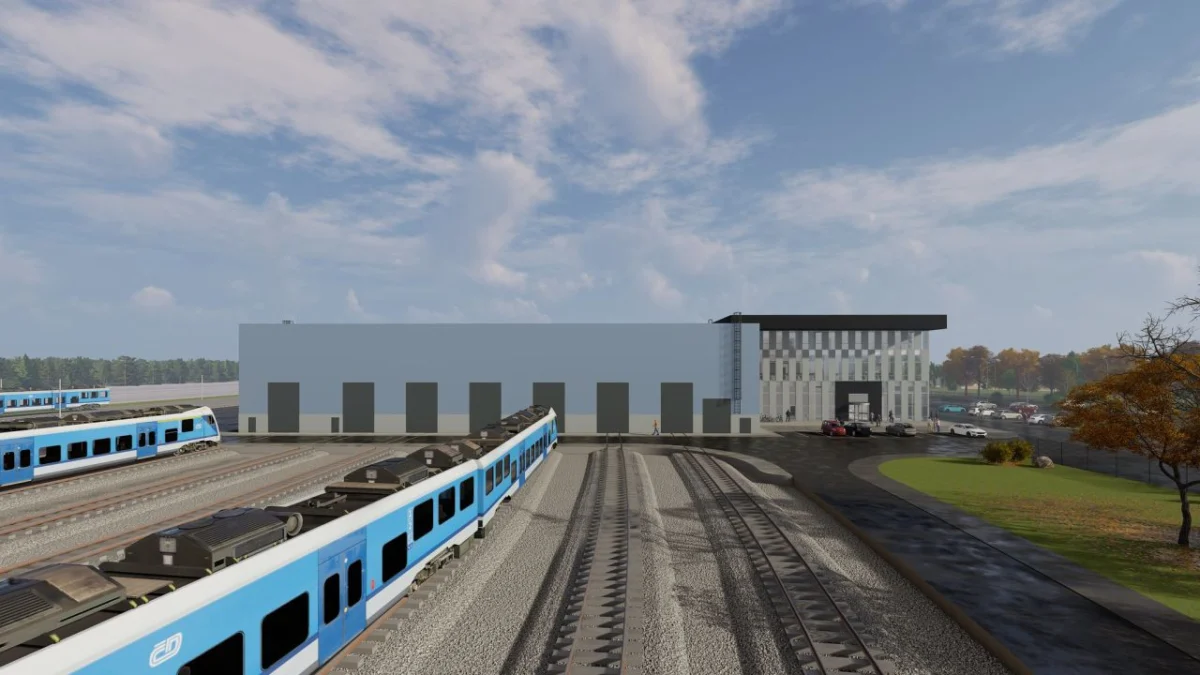
The ambitious Rail Baltica project—the "Rail of the Century"—has reached a critical milestone in its development. Rail Baltic Estonia has officially initiated the procurement process for what is set to become the most advanced and largest rolling stock maintenance and operations depot in the Baltic region. Located in the Soodevahe area of Harju County, this facility is poised to become the heartbeat of Estonia’s high-speed rail network, centralizing the maintenance, repair, and operational preparation of the fleet that will eventually redefine connectivity across Northern Europe.
With a projected investment of EUR 41.33 million (excluding VAT), this infrastructure project is not merely a service facility; it is a strategic investment in the longevity and reliability of the Rail Baltica ecosystem. As the region moves closer to the operational phase of the high-speed line, the establishment of this depot marks the transition from planning and track-laying to the complex logistics of long-term rolling stock management.
Main Facts: A Hub of Engineering Excellence
The depot is designed to serve as the primary maintenance anchor for the Estonian segment of the Rail Baltica line. Spanning a significant footprint in Soodevahe, the facility is engineered to house and service both high-speed passenger trains and regional fleet units simultaneously.
Key specifications of the project include:
- Operational Capacity: The facility will feature a complex array of service lines, including eight lines housed within the main structure and six external lines dedicated to parking, cleaning, and light equipping.
- Maintenance Scale: The internal infrastructure will provide a total usable length of 1,380 meters, allowing for the concurrent maintenance of up to six high-speed trains or twelve regional trains.
- Specialized Infrastructure: The site will be equipped with high-tech diagnostic tools, including a dedicated wheel-profiling lathe and an automated washing system to ensure fleet hygiene and safety compliance.
- Administrative Integration: The design incorporates a three-story administrative building, fostering a professional environment for the 150 to 200 highly skilled personnel expected to operate the facility.
Chronology: A Roadmap to 2028
The timeline for this project is tightly integrated with the broader Rail Baltica completion schedule, ensuring that maintenance capabilities are ready before the first commercial trains hit the tracks.
- February 2026: The project enters the public domain as Rail Baltic Estonia launches the combined procurement for both technical design and construction.
- March 10, 2026: The deadline for potential contractors to submit their bids. This phase is expected to attract major European construction firms with expertise in rail infrastructure and specialized industrial facilities.
- April 2026: The target date for the signing of the construction contract, signaling the official start of the project’s execution phase.
- Late 2026: Construction activity is slated to commence at the Soodevahe site, following final site preparation and logistics planning.
- Late 2028: The projected handover date. Rail Baltic Estonia aims to have the facility fully commissioned and operational by the close of 2028, setting the stage for the wider launch of Rail Baltica services.
Supporting Data: Why Soodevahe?
The choice of location in the Harju region is strategic. Positioned near major transport corridors and logistics hubs, the Soodevahe facility provides the necessary proximity to the main line while allowing for the massive land footprint required for a depot of this magnitude.
From an economic perspective, the investment of EUR 41.33 million represents a critical component of the broader Rail Baltica capital expenditure. The facility is designed for modularity; while it will serve the immediate needs of the initial rail fleet, its footprint allows for future expansion as the volume of cross-border and regional traffic grows. The inclusion of 1,380 meters of indoor service track ensures that maintenance is not delayed by harsh Baltic winters, maintaining the operational schedule of the high-speed line regardless of weather conditions.
Official Responses and Strategic Vision
The development is a cornerstone of Rail Baltic Estonia’s operational strategy. According to Lauri Ulm, technical director and member of the Board of Directors of Rail Baltic Estonia, the depot is essential for maintaining the high standards expected of a modern high-speed railway.
"The depot will bring all activities related to maintenance, repairs, washing, and operational preparation of trains under one roof," Ulm noted. "By consolidating these functions, we are not only ensuring the efficiency of our rolling stock but also creating a center of excellence for rail maintenance in the Baltics. Beyond the technical benefits, the project will create between 150 and 200 permanent, highly skilled jobs, providing a significant boost to the local economy and the professional rail sector in Estonia."

The project also signifies a deepening of the relationship between national rail operators and the Rail Baltica infrastructure. By inviting Elron, the Estonian national passenger rail operator, to be the first user of the depot, the project fosters a synergistic environment where local and high-speed rail services can share best practices and technical resources under a lease-based operational model.
Implications: A New Era for Baltic Rail Transport
The construction of the Soodevahe depot carries profound implications for the region’s transport landscape:
1. Enhancing Operational Reliability
High-speed rail requires rigorous maintenance intervals. The ability to perform wheel profiling, regular inspections, and cleaning in a single location reduces the "downtime" of trains. This ensures that the high-frequency service promised by the Rail Baltica project can be consistently maintained, avoiding the bottlenecks that plague aging rail networks.
2. Economic Integration and Job Creation
The creation of up to 200 highly skilled jobs is a vital socio-economic development for Harju County. These roles will require specialized training in modern rail maintenance, robotics, and advanced diagnostic systems, helping to elevate the technical expertise of the Estonian workforce. Furthermore, the presence of such a facility often attracts satellite businesses and service providers, potentially turning the Soodevahe area into a niche industrial cluster.
3. Sustainability and Efficiency
The integration of a washing line and specialized maintenance facilities means that the rolling stock will be managed with maximum resource efficiency. By centralizing operations, the project reduces the need for "deadheading"—the movement of empty trains to distant maintenance yards—thereby reducing energy consumption and carbon emissions associated with unnecessary train movements.
4. Strengthening the Regional Network
While the depot is located in Estonia, it is part of a grander, interconnected system. As Rail Baltica links Tallinn, Riga, and Vilnius to the rest of the European rail network, the Soodevahe depot will stand as a model for similar facilities in the other Baltic states. The lessons learned during the design and construction of this facility will provide a template for future developments, ensuring that the entire Rail Baltica corridor adheres to the same high technical standards.
Conclusion
As the project moves from the drawing board to the bidding phase, the anticipation surrounding the Soodevahe depot is palpable. This facility is more than just a warehouse for trains; it is the backbone of the future Baltic rail experience. By ensuring that the high-speed trains of tomorrow have a state-of-the-art home today, Rail Baltic Estonia is laying the groundwork for a safe, reliable, and modern transportation system that will serve generations of travelers.
With the deadline for bids set for March 2026, the global rail industry will be watching closely to see which consortium will be entrusted with building the cornerstone of Estonia’s rail future. For now, the message is clear: the path to 2028 is paved with ambition, technical precision, and a commitment to integrating the Baltics into the heart of European travel.

