

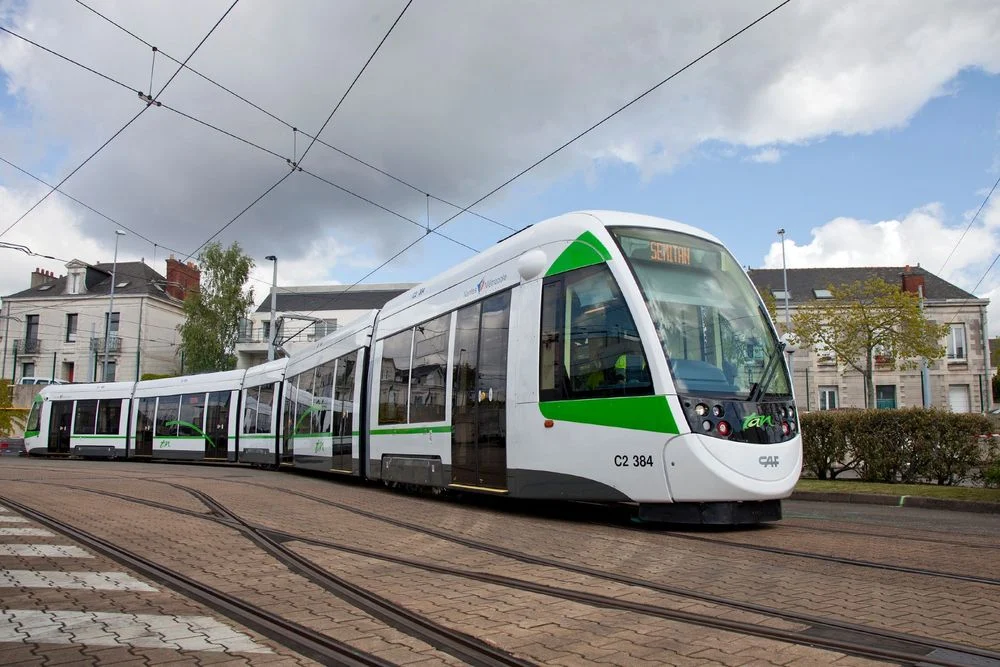
Introduction: A New Chapter for Tours’ Urban Mobility
The Syndicat des Mobilités de Touraine has officially signed a significant contract with Spanish rolling stock manufacturer CAF (Construcciones y Auxiliar de Ferrocarriles) to supply 19 state-of-the-art Urbos trams. This strategic procurement is the backbone of the upcoming Tramway Line 2 project, a massive infrastructure endeavor designed to bridge the urban gap between La Riche and Chambray-lès-Tours. Beyond the vehicles themselves, the agreement encompasses a comprehensive support package, including essential fleet spare parts and specialized maintenance tools, ensuring the long-term operational viability of the expanded network.
This development marks a pivotal moment for Tours, a city renowned for its historic Gothic architecture and status as the gateway to the Loire Valley. As the municipality looks toward a greener, more interconnected future, the deployment of the CAF Urbos fleet represents a fusion of cutting-edge technology and urban heritage preservation.
The Technical Edge: CAF Urbos Fleet Specifications
The selection of the CAF Urbos model was not merely a matter of aesthetic consistency with the existing Line 1 fleet; it was a decision driven by performance, capacity, and accessibility requirements.
Design and Accessibility
The new trams are engineered with a fully low-floor architecture, ensuring seamless boarding for all passengers, including those with limited mobility. Each vehicle measures 42 meters in length—a significant footprint designed to handle high passenger throughput during peak hours. With a capacity for up to 280 passengers, these trams are optimized for the high-density corridors they will serve. Furthermore, the interior layout incorporates dedicated multipurpose zones specifically designed to accommodate strollers, bicycles, and wheelchairs, reflecting a modern approach to multi-modal urban transport.
Energy Storage and Landscape Preservation
One of the most innovative features of the new fleet is the integration of onboard energy storage modules (Greentech). These modules will allow the trams to operate catenary-free on a critical 2-kilometer section of the network, stretching between the Tours train station and Place Choiseul.
By eliminating the need for overhead power lines in the historic city center, the city preserves the aesthetic integrity of its architectural landmarks. This “catenary-free” operation is not only a boon for urban beauty but also serves as a strategic cost-saving measure, as it reduces the complexity of infrastructure requirements in areas where installing traditional overhead power systems would be visually disruptive or historically inappropriate.
Chronology: From Planning to 2028 Delivery
The path to the expansion of the Tours tramway has been a multi-year project involving rigorous planning, public consultation, and competitive bidding.
- Initial Conception: The expansion of the Tours tramway network was identified as a priority to alleviate traffic congestion and reduce carbon emissions in the metropolitan area.
- The Bidding Process: CAF entered a highly competitive environment, eventually proving its expertise through its successful track record in other French cities.
- The Contract Award: Following extensive negotiations, the Syndicat des Mobilités de Touraine finalized the agreement with CAF in early 2025.
- Construction Phase: Construction of the 12.5 km Line 2 officially commenced recently, marking the physical start of the infrastructure build-out.
- Milestone – 2028: The current target for the full commercial operation of Line 2 is 2028. This will include the testing and commissioning of the new CAF Urbos units.
Supporting Data: Why Line 2 Matters
The implementation of Line 2 is supported by compelling demographic and geographic data. The line is set to feature 22 stations, creating a vital spine that links key nodes within the Tours metropolitan area.
Serving the Community
The route is specifically designed to connect major hubs that define the city’s daily life:
- Education: The line will serve academic institutions housing nearly 30,000 students, significantly reducing the reliance on private vehicle transport for the city’s youth population.
- Healthcare: By linking major hospitals, the tramway ensures that medical staff, patients, and visitors have reliable, stress-free access to critical services.
- Culture and Leisure: The line will provide direct access to various sports, cultural, and leisure facilities, further promoting the use of public transport for non-commute-related travel.
Intermodality and Sustainability
Line 2 is more than just a rail project; it is part of a broader strategy to enhance intermodality. The project includes provisions for improved bus service integration and the creation of dedicated infrastructure for cyclists and pedestrians. By fostering a "tram-plus-bike" culture, the city aims to reduce the "last-mile" barrier, encouraging residents to abandon individual car ownership in favor of integrated public transport.
Official Perspectives: Strategic Growth for CAF
For CAF, this contract is a major validation of its expansion strategy within the French market. Following high-profile successes in cities like Montpellier and Marseille, the Tours contract solidifies CAF’s reputation as a preferred partner for French transit authorities.
Industry analysts suggest that CAF’s ability to offer bespoke, localized solutions—such as the catenary-free technology used in Tours—is the key differentiator. By adapting their standard Urbos platform to meet the specific heritage and aesthetic requirements of French cities, CAF has successfully positioned itself at the forefront of the European light rail market.
"This project is a testament to the synergy between modern engineering and urban planning," a spokesperson for the project noted. "By choosing a provider that understands the nuances of the French urban landscape, the Syndicat des Mobilités de Touraine is ensuring that the new line will be an asset for generations to come."
Implications: A Model for Future Urban Transit
The implications of the Tours expansion extend far beyond the city limits. As French urban centers continue to prioritize the "15-minute city" concept, the success of the Tours Line 2 project will likely serve as a blueprint for other medium-sized European cities.
Economic Impact
The investment in Line 2 is expected to stimulate local economic activity, not only through the construction phase but also by increasing foot traffic near the 22 new stations. Businesses along the corridor can anticipate a boost in visibility and accessibility, which traditionally leads to higher commercial real estate values and increased consumer spending.
Environmental Impact
The primary driver of the project is, of course, the environment. Transitioning thousands of daily commuters from internal combustion engine vehicles to electric-powered trams will result in a significant reduction in the city’s carbon footprint. The inclusion of energy-efficient design, such as regenerative braking and lightweight materials in the Urbos trams, further enhances the project’s green credentials.
Social Connectivity
Perhaps the most profound impact of the new line is social. By connecting disparate neighborhoods—from La Riche to Chambray-lès-Tours—the tramway acts as a social equalizer. It provides equal access to opportunity, education, and leisure for all citizens, regardless of their socioeconomic status or geographic location within the city.
Conclusion
The signing of the contract between the Syndicat des Mobilités de Touraine and CAF marks the beginning of a transformative era for Tours. As the city prepares for the 2028 launch, the focus shifts to the technical execution and integration of these 19 Urbos trams into the daily life of the city. With a blend of sustainable technology, historical sensitivity, and a clear vision for multi-modal transit, Tours is positioning itself as a leader in the next generation of European urban mobility.
As the project progresses, stakeholders and citizens alike will be watching closely, expecting that this investment will yield a more vibrant, connected, and environmentally conscious city for everyone. The CAF Urbos trams, with their sleek design and advanced energy systems, are not just a mode of transport; they are the moving symbols of a city in motion, bridging its rich past with a sustainable, efficient future.

