

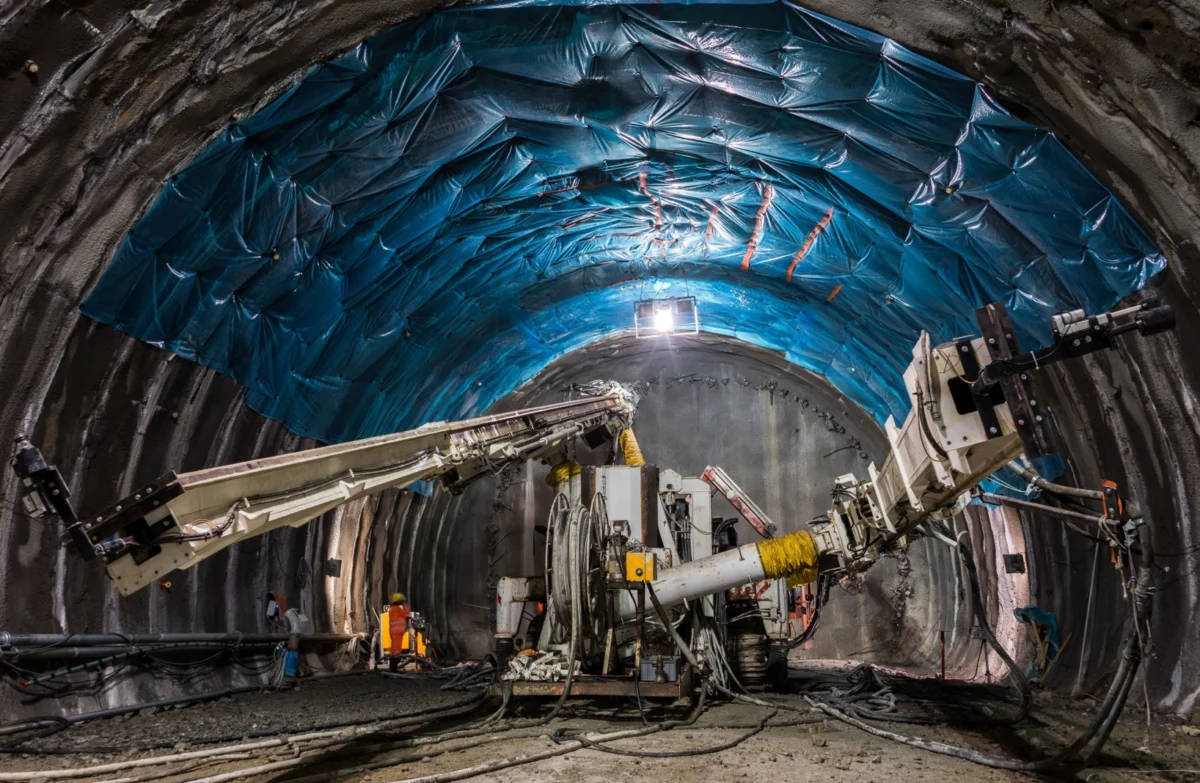
In a significant stride toward revolutionizing trans-European transit, Rete Ferroviaria Italiana (RFI)—Italy’s state-owned railway infrastructure manager—has officially launched a tender worth €1.52 billion. This capital-intensive project marks a critical phase in the development of the southern approach to the Brenner Base Tunnel (BBT), the subterranean artery set to redefine logistics and passenger travel between Italy and Austria. By bridging the gap between Fortezza and Ponte Gardena, this project aims to alleviate the environmental and logistical pressures currently exerted on the Alpine passes.
Main Facts: Engineering a Modern Connection
The tender issued by RFI seeks specialized contractors for the comprehensive design and construction of a 22.5-kilometer high-speed railway connection. This new infrastructure is not merely an addition to the existing network; it is a vital extension designed to harmonize with the future throughput of the 64-kilometer Brenner Base Tunnel.
Project Specifications:
- Total Investment: €1.52 billion, with €1.15 billion specifically allocated for design and construction works.
- Infrastructure Scope: Two twin-bored tunnels—the Scaleres tunnel (15.4 km) and the Gardena tunnel (6.3 km)—connected by a sophisticated bridge structure spanning the Isarco River.
- Strategic Alignment: The line acts as the southern gateway to the Brenner Base Tunnel, connecting Fortezza in Italy to Innsbruck in Austria.
- Funding: The initiative is backed by a formal planning agreement between RFI and the Italian Ministry of Transport, ensuring robust financial backing for the project’s lifecycle.
The project represents a technological feat of civil engineering, requiring the precise excavation of complex geological strata and the construction of high-capacity bridges capable of handling heavy freight and high-speed passenger traffic.
Chronology: A Decade of Planning and Consensus
The path to this tender has been paved with years of bureaucratic maneuvering, inter-governmental negotiations, and regional consultation. The journey began in earnest with the identification of the Brenner corridor as a priority within the European Union’s TEN-T (Trans-European Transport Network) program.
Key Milestones:
- 2017 – Approval: The Inter-ministerial Committee for Economic Planning (CIPE) granted official approval for the project, providing the legal and financial framework necessary to proceed.
- 2017–2018 – Local Engagement: RFI successfully negotiated and signed formal agreements with the Bolzano Province and the eight municipalities directly affected by the construction: Fortezza, Velturno, Bressanone, Varna, Chiusa, Laion, Ponte Gardena, and Funes. This was essential to ensure the project’s social license to operate.
- October 2018 – Security Protocol: Recognizing the scale of the investment and the potential for illicit interference, RFI signed a "legality protocol" with the Government Commissariat for the Province of Bolzano. This move was designed to harden the procurement process against organized crime and ensure total transparency.
- 2020 – The Tender Launch: Following the finalization of technical specifications, the tender was opened to the market, with a strict submission deadline of October 12, 2020, and public opening scheduled for the following day.
Supporting Data: The TEN-T Context
To understand the magnitude of this project, one must view it through the lens of the Scandinavian-Mediterranean (ScanMed) Corridor. This corridor is one of the most important north-south axes for the European economy, stretching from Helsinki to Malta.
The Role of the BBT
The Brenner Base Tunnel itself, a 64-kilometer subterranean link, is the heart of this corridor. By flattening the gradient of the route—which currently forces trains to struggle over steep Alpine passes—the new connection will allow for significantly heavier freight trains and higher speeds for passenger services.
- Operational Synergy: The Fortezza–Ponte Gardena section is being built to synchronize with the completion of the BBT.
- Traffic Shift: The primary objective is to shift the majority of freight traffic from road to rail, effectively removing thousands of heavy goods vehicles from the fragile Alpine environment each day.
- Deadline Synchronization: The infrastructure is meticulously scheduled to open in 2025, matching the operational debut of the Brenner Base Tunnel itself.
Official Responses and Governance
The project is governed by a multi-layered oversight structure, which reflects its status as a project of "European Interest."
The Environmental Observatory Consortium
Central to the project’s success is the Environmental Observatory Consortium. Their role is to mitigate the impact of construction on the local environment, including air quality, noise pollution, and groundwater management. The consortium’s operational mandate has been extended specifically to cover the Fortezza–Ponte Gardena access section, ensuring that environmental standards are not bypassed in the rush to meet construction deadlines.

Anti-Corruption Measures
RFI has emphasized that the "legality protocol" is a cornerstone of this tender. In Italy, large-scale infrastructure projects have historically been targets for illicit activities. By partnering with the Government Commissariat, RFI has implemented:
- Enhanced Background Checks: Vetting of all subcontractors and suppliers.
- Continuous Monitoring: Real-time financial and administrative oversight of site activities.
- Compliance Enforcement: Rigid adherence to the Italian Code of Public Contracts.
Implications: A New Era for European Transit
The implications of this investment extend far beyond the borders of Italy and Austria. The completion of the Fortezza–Ponte Gardena link, in tandem with the Brenner Base Tunnel, represents a structural shift in European logistics.
1. Environmental Impact
The Alpine region is acutely sensitive to climate change and pollution. By moving freight from diesel-powered trucks to electric rail, the project will contribute significantly to the European Green Deal’s carbon-neutrality targets. The reduction in heavy road traffic will also improve the quality of life for residents in the Isarco Valley, drastically reducing noise and exhaust emissions.
2. Economic Efficiency
For manufacturers and logistics companies, the current Brenner route is a bottleneck. The incline limits the weight that trains can carry, requiring extra locomotives for pushing or pulling, which adds to costs. The new, flatter alignment will allow for "long-train" operations (up to 750 meters), reducing the cost per unit of freight and making rail significantly more competitive against road transport.
3. Passenger Connectivity
For passengers, the travel time between Munich and Verona will be reduced significantly. The project is a catalyst for improved regional and international connectivity, turning the Alps from a barrier into a bridge. It facilitates faster travel times and higher frequency, potentially transforming the corridor into a commuter-friendly route for cross-border professionals.
4. A Precedent for Future Infrastructure
The successful delivery of this project will serve as a blueprint for future complex infrastructure initiatives in mountainous regions. By successfully balancing the demands of engineering, regional environmental protection, and strict anti-corruption protocols, RFI is setting a high bar for international infrastructure projects.
Conclusion
As the clock ticks toward the 2025 completion date, the Fortezza–Ponte Gardena tender stands as a testament to European cooperation. It is a massive undertaking that integrates local community needs with the broader, ambitious goals of the European Union. While the technical and logistical hurdles are substantial, the commitment from the Italian government and RFI, combined with rigorous oversight, ensures that this project is not just a triumph of civil engineering, but a foundational pillar of a cleaner, faster, and more unified European transport network.
The tender marks the beginning of the final push for a project that has been decades in the making. Once completed, the new connection will provide the necessary infrastructure to handle the projected increase in freight and passenger demand for the next century, proving that even the most formidable geographical barriers can be overcome through strategic planning and sustained investment.

