

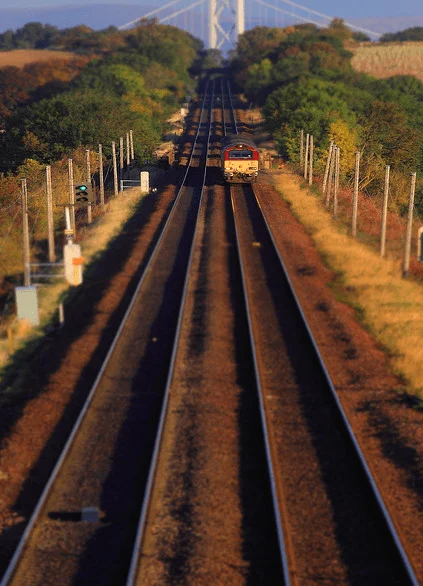
In a landmark shift for the Republic of Moldova’s infrastructure, the national railway operator, Calea Ferată din Moldova (CFM), is embarking on an ambitious modernization journey. By 2030, the country aims to transition its primary rail corridors to electric traction, facilitating high-speed travel and seamless integration with the European Union’s (EU) expansive rail network. This transformation, spearheaded by the Ministry of Infrastructure and Regional Development, represents not just a technical upgrade, but a strategic geopolitical alignment, positioning Moldova as a pivotal transit corridor between the EU and Eastern Europe.
Main Facts: The Vision for 2030
The core of Moldova’s railway modernization strategy is the transition from aging diesel-powered infrastructure to a modern, electrified, European-gauge (1,435 mm) system. Currently, the Moldovan rail network relies largely on the legacy broad-gauge system (1,524 mm), which limits interoperability with neighboring Romania and the broader European bloc.
The government has set a definitive target: by 2030, major segments of the national network will be electrified, enabling passenger and freight trains to reach speeds of up to 140–160 km/h. This upgrade is framed as an economic imperative. As energy costs fluctuate and environmental regulations tighten, the shift to electric rail is projected to significantly lower operational expenditures while providing a sustainable alternative to road transport.
The centerpiece of this plan is the construction of a brand-new railway line from Ungheni to Chișinău, extending directly to the Chișinău International Airport. This line will be built "from scratch," ensuring it meets all modern European safety and speed standards.
Chronology of Implementation
The transition will not happen overnight; it is a multi-stage process requiring rigorous planning, international cooperation, and substantial capital investment.
- 2024–2025 (Feasibility Phase): The current period is defined by technical analysis. Feasibility studies are being conducted to determine the exact alignment of the new tracks and the electrical infrastructure requirements. These studies are crucial for securing the €340–350 million required for the initial phases of the project.
- 2027 (Groundbreaking): A pivotal year for the project, 2027 marks the start of physical construction for the European-gauge line connecting Ungheni to the capital, Chișinău.
- 2028 (Design and Expansion): Following the initial construction phase, the government will move into the design and execution of subsequent segments, focusing on the expansion toward the airport and improving interconnections with the Romanian border city of Iași.
- 2030 (Operational Milestone): The year 2030 stands as the target for the completion of the major electrification program, at which point the Republic of Moldova expects to see the first high-speed electric trains circulating on the European-gauge network.
Supporting Data and Financial Framework
The financial scale of this project is significant, with estimates placing the total investment between €340 million and €350 million. Deputy Prime Minister and Minister of Infrastructure and Regional Development, Vladimir Bolea, has emphasized that while this figure is substantial for the Moldovan economy, it is an essential expenditure for long-term growth.
The project is heavily supported by the European Union, which views the integration of Moldova’s rail network as a vital component of the Trans-European Transport Network (TEN-T). The EU’s involvement goes beyond mere funding; it includes technical assistance, regulatory alignment, and the promotion of green energy standards.
The Economic Efficiency of Electric Rail
The transition to electric traction is not merely about speed; it is about fiscal responsibility. According to the Ministry of Infrastructure, the disparity between diesel and electric rail is stark.
- Diesel Operations: High maintenance costs, dependency on volatile fuel prices, and significant carbon emissions.
- Electric Operations: Lower long-term maintenance, higher energy efficiency, and a drastic reduction in greenhouse gas emissions per ton-kilometer.
By moving from diesel to electricity, Moldova aims to lower the cost of logistics for both domestic and international freight, making the country a more attractive destination for regional logistics hubs.
Official Responses and Strategic Intent
Deputy Prime Minister Vladimir Bolea has been the primary architect of this vision, regularly appearing in public forums to explain the necessity of the project. Speaking on public television, Bolea underscored the importance of the Ungheni–Iași segment as a "demonstration project."

"The Republic of Moldova is receiving support from the European Union to build the first section of a European-standard railway in full compliance with all regulations," Bolea stated. He emphasized that the goal is to show the public and international investors that rail is significantly more economical than road transport, particularly when modernized.
Bolea’s discourse highlights a pragmatic approach: by starting with the Ungheni–Iași connection, the government aims to establish a proof-of-concept that demonstrates the efficiency of high-speed, electrified rail. This, he argues, will build the political and economic momentum necessary to sustain the larger project through the 2030s.
Implications for Moldova and the Region
The ripple effects of this modernization are expected to be far-reaching, influencing everything from regional trade to daily commuting habits.
1. Integration with the EU Rail Network
The construction of the European-gauge line is the most significant step toward "de-coupling" Moldova from the regional dependency on Eastern-standard rail. By aligning with the gauge used in Romania and the rest of Europe, Moldova will eliminate the need for time-consuming and costly transshipment of goods at the border. This will directly facilitate the movement of goods into the European Single Market.
2. The Chișinău Airport Connection
The plan to connect the rail line directly to the Chișinău International Airport is a strategic masterstroke. By creating a multi-modal transport hub, the government hopes to reduce road congestion in the capital and provide a faster, more convenient way for international travelers to reach the city center. This level of connectivity is standard in many EU capitals and is seen as a prerequisite for boosting tourism and business investment.
3. Collaboration with Romania
The project is being developed in close coordination with Romania. As Romania continues to modernize its own rail corridors toward Bucharest and other European centers, the Moldovan rail project will effectively become an extension of this network. The cooperation between the two nations is expected to streamline customs procedures and enhance the synchronization of train schedules, effectively erasing the "railway borders" that have existed for decades.
4. Environmental and Social Impact
Beyond the economic gains, the electrification project is a cornerstone of Moldova’s environmental policy. Reducing the reliance on diesel engines will significantly decrease local air pollution in urban centers along the rail route. Furthermore, providing a faster, reliable, and cleaner rail service is expected to increase public transit usage, further reducing the carbon footprint of the nation’s transport sector.
Conclusion: A Pathway to Modernity
The modernization of the Moldovan Railway is a bold endeavor that reflects the country’s aspirations for European integration. By 2030, the vision of high-speed electric trains traversing the landscape between Ungheni and Chișinău will represent a fundamental shift in the country’s national identity.
While the challenges—ranging from the high capital costs to the complexities of civil engineering—are significant, the government remains optimistic. With the continued support of the European Union and a clear, phased roadmap, Moldova is well-positioned to transform its rail infrastructure from a relic of the past into a conduit for future prosperity. As Deputy Prime Minister Bolea noted, the goal is not just to build tracks, but to build a modern, European-standard system that connects Moldova to the rest of the continent, ensuring that the country is no longer on the periphery, but a vital link in the heart of Europe’s transport network.

