

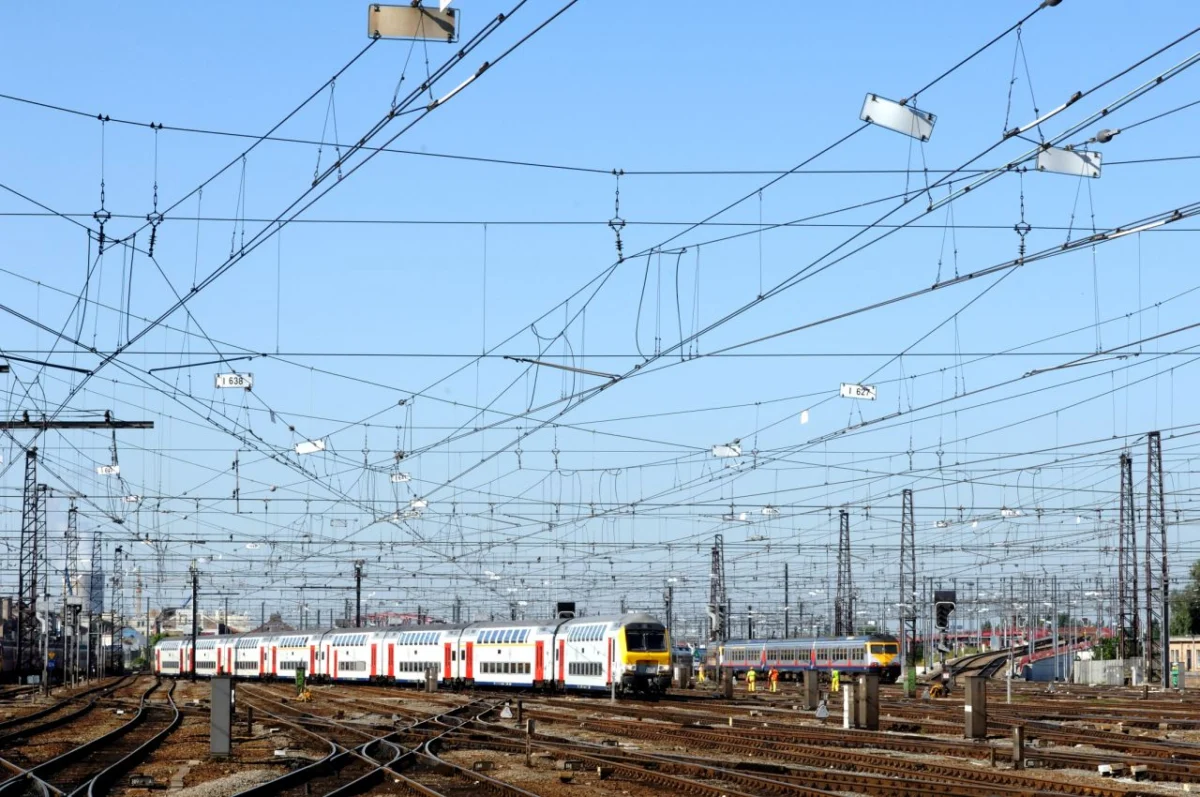
In a move designed to reshape the landscape of Belgian public transport, the National Railway Company of Belgium (SNCB) has announced a comprehensive overhaul of its fare structure. Scheduled for implementation before the close of 2025, this radical simplification of pricing aims to eliminate the confusion of legacy systems, incentivize off-peak travel, and align the national rail network with the ambitious growth targets set out in the current Public Service Contract with the Belgian State.
By transitioning from a complex, hybrid model of fixed-rate and distance-based tickets to a unified, percentage-based discount system, SNCB is betting that increased accessibility will drive the ridership surge required to meet its goal of a 30% increase in passenger volume by 2032.
The Core Transformation: Simplifying the Journey
For decades, SNCB passengers have navigated a labyrinthine system of multi-journey tickets, flat-rate passes, and distance-based fares. Often, the onus fell on the commuter to calculate which specific ticket type offered the most cost-effective solution for their unique itinerary. The new model intends to render that complexity obsolete.
Under the forthcoming system, fares will be calculated exclusively based on the distance traveled. By pivoting to a percentage-based discount framework, the railway operator is ensuring that every passenger, regardless of their route or frequency of travel, benefits from a predictable and transparent pricing structure. This shift is not merely cosmetic; it represents a fundamental change in how the Belgian state views the utility of its rail infrastructure—moving from a model that prioritizes revenue per ticket to one that prioritizes the democratization of rail travel.
Eliminating Legacy Barriers
The overhaul will see the systematic phasing out of current multi-journey options, including the "Local Multi," "Standard Multi," and "Youth Multi" tickets. While these legacy products have served as staples for commuters and infrequent travelers alike, SNCB officials argue they have become an obstacle to seamless travel. Passengers currently holding these tickets need not worry, however; all purchases made prior to the transition will remain valid until their respective expiration dates, ensuring a smooth transition period for the public.
Chronology: The Path to Reform
The decision to reform the fare structure did not occur in a vacuum. It is the culmination of years of analysis regarding passenger behavior, post-pandemic travel shifts, and the Belgian government’s broader environmental objectives.
- 2022–2023: SNCB, in coordination with the federal government, began evaluating the "Public Service Contract," which serves as the blueprint for the railway’s operational and financial obligations for the coming decade.
- Early 2024: Internal studies indicated that the existing fare complexity was a deterrent to new passengers. Market research showed that potential riders were often discouraged by the perceived difficulty of selecting the "cheapest" ticket.
- Late 2024: Initial proposals for the percentage-based model were drafted, focusing on the integration of a new "Advantage Card" to serve as the backbone of the discount strategy.
- February 2025: Official announcement of the overhaul. SNCB confirmed that the system will go live before the end of the year, with a comprehensive information campaign scheduled to begin in the coming months.
Supporting Data and Financial Implications
The economic logic behind this overhaul is based on the theory of induced demand. SNCB projects that while the new pricing model will lead to a slight decrease in ticket revenue per passenger, the volume of new riders will compensate for this decline.
The Math of Affordability
By shifting the burden away from fixed-rate fares, the SNCB is effectively lowering the barrier to entry for the average commuter. The most significant financial impacts will be felt by three key demographics:
- Young People: Discounted tiers will provide easier access to travel for students and young professionals.
- Seniors: Enhanced social tariffs will ensure that the aging population remains mobile.
- Beneficiaries of Increased Intervention: Those requiring social support will see their rail access expanded through targeted, percentage-based reductions.
The company has explicitly stated that subscription fares will remain untouched. This strategic decision protects the most frequent travelers—such as daily commuters—from price volatility, while the reforms focus on the "occasional" and "leisure" markets, which represent the largest untapped segment for growth.
Official Responses and Strategic Vision
SNCB management has framed this reform as a necessary evolution. "Our objective is not just to move people, but to provide a service that integrates seamlessly into the daily lives of all Belgians," a spokesperson for the rail operator noted.
Alignment with National Goals
The reform is the cornerstone of the SNCB’s commitment to the Belgian State’s environmental and mobility goals. With the European Union pushing for a modal shift from short-haul flights and private vehicle usage toward rail, Belgium’s 30% growth target by 2032 is a critical component of its climate action plan.
The introduction of the new Advantage Card is the linchpin of this vision. By offering a capped maximum fare and additional discounts during off-peak hours, SNCB is actively working to flatten the "peak-hour crunch." By incentivizing travel outside of the 7:00–9:00 AM and 4:00–6:00 PM windows, the company hopes to optimize the utilization of its rolling stock without the need for immediate, massive capital investment in infrastructure expansion.
Implications: A New Era for Belgian Rail
The transition to a distance-based, percentage-discount model has several profound implications for the future of the Belgian transport sector.
1. Digital Integration and Transparency
As SNCB moves to educate the public, the expectation is that the new system will be managed primarily through the operator’s digital platforms. The simplicity of "the further you go, the more you save" approach is designed to be easily integrated into ticket-purchasing apps, providing real-time price transparency that was previously impossible under the multi-journey system.
2. Social Inclusion
By specifically targeting beneficiaries of "increased intervention" (individuals receiving social security or financial assistance), SNCB is fulfilling a social mandate. Rail travel in Belgium is increasingly being positioned as a fundamental right rather than a luxury, ensuring that geographical distance does not equate to social isolation.
3. Operational Efficiency
From an operational standpoint, the simplification of the fare structure will reduce the time spent at ticket machines and counters. As passengers become accustomed to the new system, the administrative burden on SNCB staff will decrease, allowing for a more streamlined passenger experience at major hubs like Brussels-Central and Antwerp-Centraal.
4. Competitive Pressure
The move also places pressure on other modes of transport. By making train travel more affordable for weekend trips and leisure excursions, SNCB is positioning itself as a direct competitor to the private automobile. In a country where traffic congestion is a perennial economic issue, this shift toward rail could have measurable impacts on carbon emissions and road traffic density.
Looking Ahead: Preparing for the Transition
As the rollout approaches, the railway operator is preparing an extensive communication campaign. This is not just a marketing exercise; it is a critical operational requirement. If passengers do not understand the new system, the efficiency gains expected by the company will be lost in a wave of customer service inquiries.
In the coming months, passengers can expect:
- Interactive Fare Calculators: Available on the SNCB website and app to demonstrate the cost-savings of the new model compared to the old one.
- In-Station Workshops: Dedicated staff at major stations to help frequent travelers migrate to the new Advantage Card system.
- Public Awareness Campaigns: Multi-channel advertising to explain the "End of the Multi-Ticket" era and the benefits of the new, simplified pricing.
Conclusion
The SNCB fare reform is a bold, necessary step toward modernizing Belgium’s rail infrastructure. By stripping away the layers of complexity that have defined the passenger experience for decades, the company is making a clear statement: rail travel should be simple, accessible, and affordable.
While the success of this reform will ultimately be measured by the adoption rates and the ability of the network to accommodate the projected 30% growth in ridership, the move signals a proactive, customer-centric shift in the management of the Belgian rail network. As the country moves toward a more sustainable and connected future, the SNCB’s new pricing model stands as a testament to the belief that the railway remains the most vital artery of national progress.
For the everyday commuter, the tourist, and the student, the message is clear: the future of travel in Belgium is about to become significantly more straightforward. Whether this translates into a permanent shift in travel habits remains to be seen, but for now, the path forward is one of simplified, percentage-based promise.

