

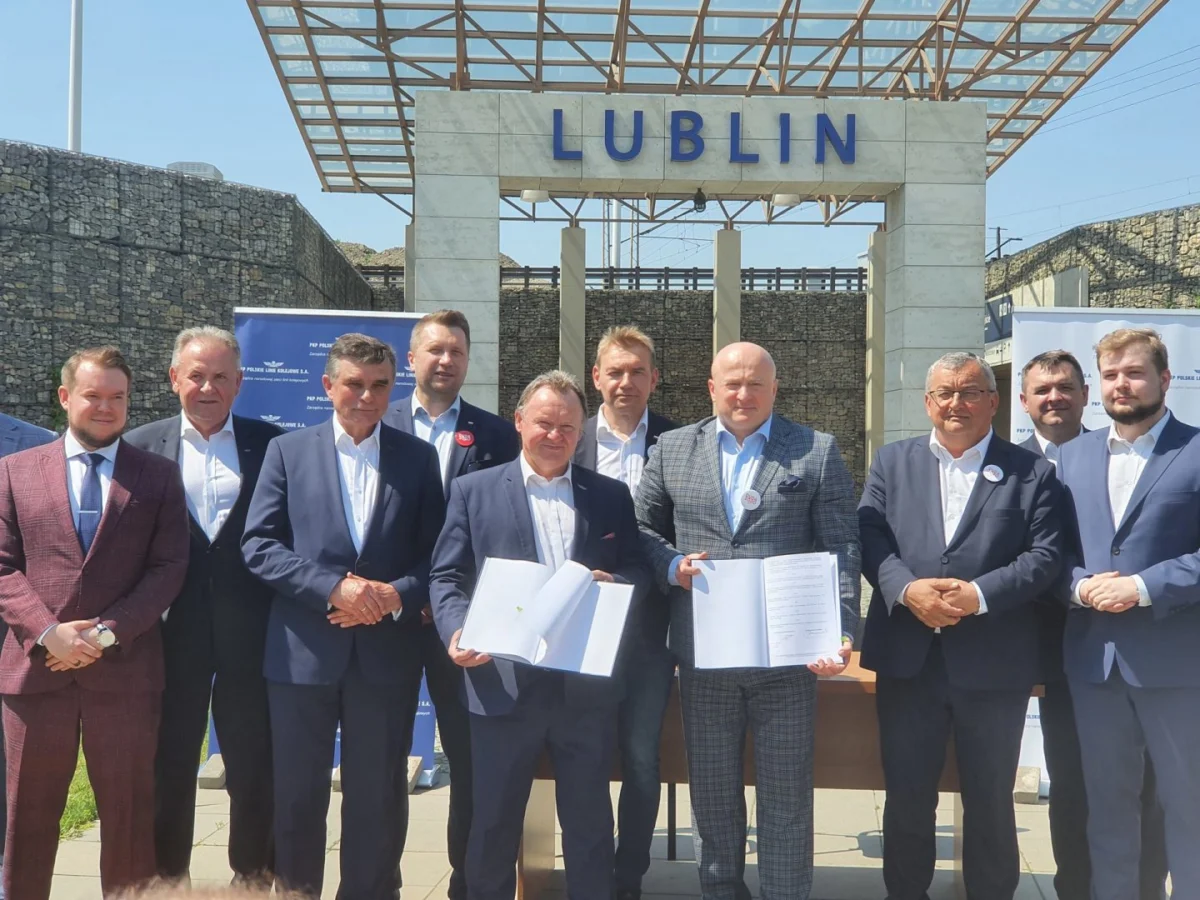
In a landmark move to reshape the transport landscape of eastern Poland, the Polish railway infrastructure manager, PKP Polskie Linie Kolejowe (PKP PLK), and the government of the Lublin Province have formalized a strategic agreement. This partnership marks the official commencement of the development project for the Lublin Rail Agglomeration, an ambitious initiative designed to revolutionize passenger access to rail services and catalyze economic growth across the region.
The agreement serves as a blueprint for modernizing existing infrastructure, expanding the reach of the rail network, and fostering a seamless, environmentally sustainable transport ecosystem. As Poland continues to prioritize rail as the backbone of its national mobility strategy, the Lublin project stands as a cornerstone of the country’s 2021–2027 financial framework for infrastructure development.
Main Facts: A Blueprint for Regional Connectivity
The core objective of the Lublin Rail Agglomeration project is to bridge the connectivity gap between the provincial capital and the surrounding satellite cities. By creating a high-frequency, reliable rail network, the project aims to offer a viable alternative to road transport, effectively reducing congestion in Lublin’s city center.
Key pillars of the development plan include:
- Infrastructure Modernization: Upgrading existing tracks and signaling systems to increase line speeds and capacity.
- Expansion of Connectivity: Linking Lublin with key regional hubs, including Puławy, Parczew, Chełm, and Kraśnik.
- Accessibility Standards: All new and renovated platforms will be fully adapted to accommodate the needs of passengers with limited mobility, ensuring inclusivity.
- Intermodal Integration: The project emphasizes the creation of transport hubs where rail services integrate seamlessly with local public transport systems, such as bus networks and bicycle infrastructure.
- Strategic Feasibility: The current phase involves the creation of a comprehensive design concept, which will serve as the foundation for a detailed feasibility study.
Chronology of Development: From Concept to Implementation
The journey toward a modern Lublin rail network is a multi-stage process that aligns with broader national rail infrastructure goals.
The Planning Phase (2020–2021)
The initial stage of the project involved the development of the design concept. This period was crucial for identifying the specific technical requirements for the region. During this time, the Lublin Voivodeship and PKP PLK shared the financial burden of the design phase equally, with PKP PLK taking the lead on the tender process and technical supervision. This phase was designed to define the "where, how, and how much" of the project, ensuring that the resulting feasibility study would be grounded in technical reality.
The Feasibility and Scope Definition (2021)
Following the completion of the design concept, the focus shifted to the feasibility study. This document acts as the definitive roadmap, outlining the technical, economic, and environmental parameters of the construction works. It is during this phase that specific proposals—such as the electrification of the Lublin–Łuków line and the construction of a rail link to Lublin Airport—are vetted for viability.
The Implementation Framework (2021–2027)
The actual construction works are slated to take place during the 2021–2027 European Union financial framework. This period represents a significant capital injection into the region, utilizing both national and European funding to deliver a modernized, high-capacity network that will serve the Lublin region for decades to come.

Technical Scope: Analyzing New Connections and Electrification
The development concept is not merely about maintenance; it is about growth. The proposal includes several high-impact projects that aim to expand the rail footprint significantly.
Proposed Rail Lines and Network Enhancements
The study examines the construction of new rail lines, including:
- Szastarka – Janów Lubelski – Biłgoraj: This line is intended to improve access to the southern parts of the province, providing better regional integration.
- Lublin – Łęczna: A vital connection designed to support growing passenger volumes between the capital and the Łęczna area.
- Lublin Airport Integration: A critical component of the plan involves constructing a dedicated rail connection from Chełm to Lublin Airport. This would drastically improve the efficiency of the airport, creating a multi-modal hub that connects regional passengers directly to international air travel.
Electrification Efforts
The electrification of the Lublin–Łuków section is a priority under the proposal. Electrification is essential for the introduction of modern electric multiple units (EMUs), which offer lower operational costs, reduced noise pollution, and higher acceleration rates, making them ideal for high-frequency agglomeration traffic.
Official Responses: The Vision for Sustainable Growth
The project has garnered strong support from central government officials who view it as a replicable model for other Polish regions.
Minister of Infrastructure, Andrzej Adamczyk, emphasized the environmental benefits of the initiative: "As railway is the most environmentally friendly mode of transport, the government makes efforts to develop the infrastructure across the country. We are currently building an agglomeration railway in Szczecin and Rzeszów. I hope that Lublin will soon join these cities. The establishment of the Lublin agglomeration railway is a chance to reduce road traffic in the center of Lublin."
Local leaders have echoed this sentiment, noting that the project is not just a transport endeavor, but an economic imperative. By improving access to the capital, the region can better distribute economic opportunity, allowing satellite cities to flourish while residents enjoy the benefits of improved connectivity.
Implications: A New Era for Regional Travel
The impact of the Lublin Rail Agglomeration project will be felt far beyond the rail network itself.
Economic and Social Impacts
By reducing travel times between regional cities and Lublin, the project will effectively expand the local labor market. Residents of towns like Kraśnik or Puławy will have a more reliable and faster way to commute to the provincial capital, potentially boosting employment rates and regional productivity.
Environmental Sustainability
Poland’s commitment to rail development is a key part of its strategy to meet EU carbon reduction targets. By shifting thousands of daily commuters from private vehicles to rail, the Lublin region will significantly lower its transport-related emissions. This shift is essential for improving air quality in the densely populated urban center of Lublin.
A National Trend
The Lublin initiative is part of a broader, nationwide trend toward "agglomeration railways." PKP PLK is simultaneously working on several major projects across Poland, including the modernization of the Warsaw Rail Agglomeration and the development of a comprehensive strategy for the Poznań Railway Junction. These projects share a common goal: to move away from outdated, long-distance rail models and toward high-density, high-frequency "metro-style" services that support the modern pace of life.
Conclusion: The Path Forward
The Lublin Rail Agglomeration project is a testament to the power of strategic planning and inter-governmental cooperation. By combining the financial strength of the central government with the regional expertise of the Lublin Voivodeship, the project is set to provide a world-class transport system for the people of eastern Poland.
As the 2021–2027 financial framework progresses, the focus will shift from planning and feasibility to the tangible reality of construction. When completed, the network will serve as a vital artery for the region, fostering economic growth, environmental health, and social inclusivity. The project is not just about laying tracks; it is about building a future where the distance between cities is bridged by speed, comfort, and sustainability.
For the citizens of Lublin and its surrounding towns, the promise of the rail agglomeration is a promise of a more connected, efficient, and modern lifestyle. As PKP PLK continues its work, all eyes will be on the region, watching as the vision of a truly integrated railway network becomes a reality.

