

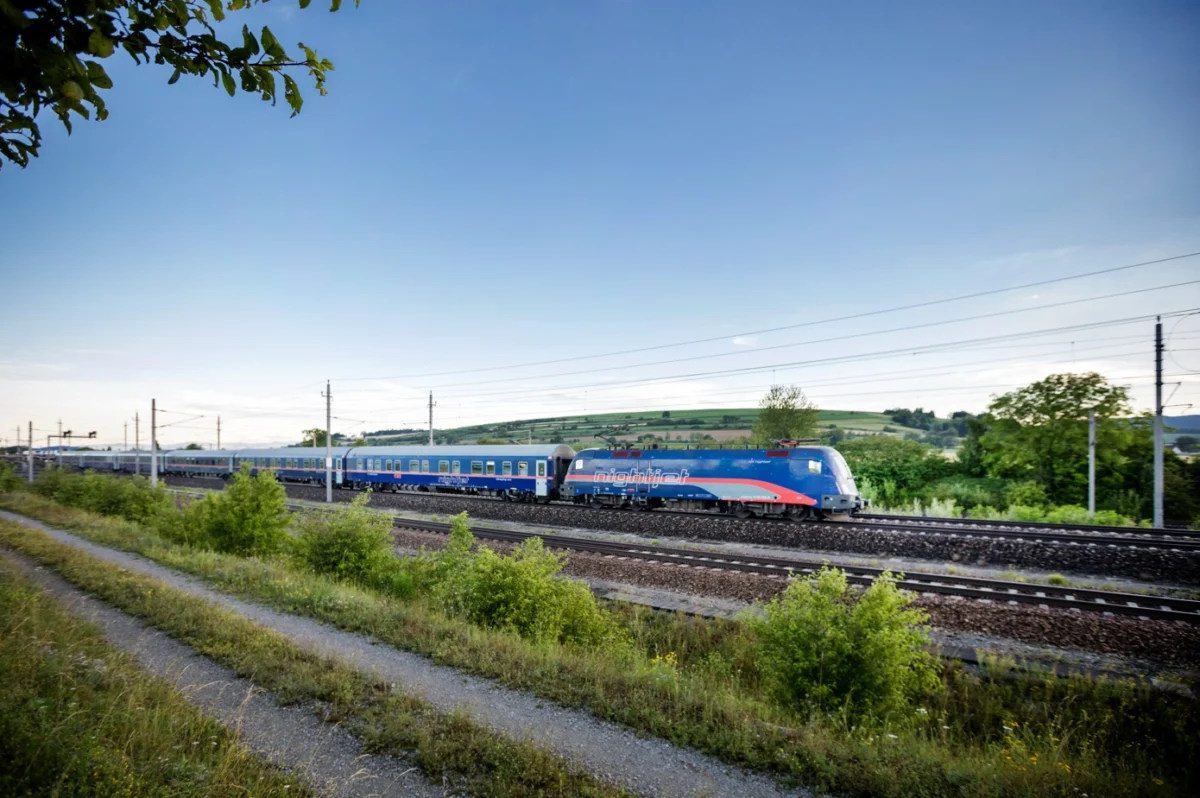
In a landmark decision that underscores Austria’s commitment to sustainable mobility and long-term economic growth, the Austrian Council of Ministers has officially greenlit the ÖBB (Österreichische Bundesbahnen) Framework Plan for 2022–2027. With a staggering investment of EUR 18.2 billion, the plan represents one of the most ambitious infrastructure modernization programs in the history of the republic. By allocating EUR 3 billion annually over the next six years, the Austrian government aims to reshape the national landscape, positioning the railway as the backbone of the country’s climate strategy and economic competitiveness.
Main Facts: The Pillars of the Infrastructure Expansion
The EUR 18.2 billion investment is not merely a budgetary allocation; it is a strategic blueprint designed to address the evolving needs of the 21st-century passenger and freight transport sectors. Compared to the previous 2020 framework, the current program sees a significant increase of EUR 700 million, reflecting the government’s intensified focus on decarbonizing the transport sector.
The plan centers on three primary objectives:
- Capacity Enhancement: Expanding existing lines to accommodate a higher density of passenger traffic and more frequent services between major metropolitan hubs.
- Modernization and Digitalization: Replacing aging infrastructure with state-of-the-art signaling, safety systems, and digital passenger information platforms.
- Freight Competitiveness: Extending passing loops and upgrading track standards to allow for longer, heavier, and more efficient freight trains, thereby shifting long-haul logistics from road to rail.
This framework is not an isolated initiative; it is part of a broader, more comprehensive financial vision for the ÖBB group. Earlier this spring, the national carrier announced a cumulative investment target of EUR 25 billion through 2026, which includes not only infrastructure but also massive procurement programs for rolling stock and the transition toward 100% clean energy for rail operations.
Chronology: A Roadmap to Modernization
The trajectory toward this six-year plan began with a shift in national policy prioritizing the "Green Deal" approach to transportation.
- 2020: Initial discussions regarding the post-pandemic recovery plan highlighted the need for robust, sustainable infrastructure.
- Early 2021: The Austrian government initiated preliminary planning for the 2022–2027 framework, emphasizing the integration of the "KlimaTicket"—a nationwide, affordable annual pass for all public transport.
- Spring 2021: ÖBB confirms a total of EUR 25 billion in planned investments through 2026, setting the stage for the specific breakdown of the 2022–2027 Framework Plan.
- Late 2021: The Council of Ministers formally approves the EUR 18.2 billion framework, solidifying the legal and financial parameters for the project.
- 2022–2027 (Implementation Phase): The ongoing execution of the framework, characterized by sequential project delivery, construction of new tunnels, electrification of regional spurs, and the rollout of digital passenger services.
Supporting Data: Why the Investment Matters
The decision to funnel EUR 18.2 billion into the rail network is supported by compelling economic and environmental data. Austria’s geography, defined by its alpine terrain and central European location, makes rail an essential logistical artery.
The Economic Impact
Rail investment is a well-documented economic multiplier. For every euro spent on rail infrastructure, the regional economy benefits through the creation of construction jobs, the stimulation of the supply chain, and increased productivity stemming from faster transit times. The expansion program provides local Austrian companies with long-term contracts, fostering innovation in engineering and railway technology.
Environmental Imperatives
Transport is a significant contributor to carbon emissions in Austria. By making rail travel faster, more reliable, and more affordable—particularly through the synergy with the KlimaTicket—the government expects a modal shift. Data suggests that each kilometer traveled by train instead of a private car significantly reduces an individual’s carbon footprint. The electrification program, which is a core component of this plan, ensures that as the rail network grows, it does not become a source of additional emissions.
Official Responses: Aligning Policy and Execution
The political and corporate leadership behind this plan views it as a dual victory: a triumph for the climate and a triumph for the passenger.
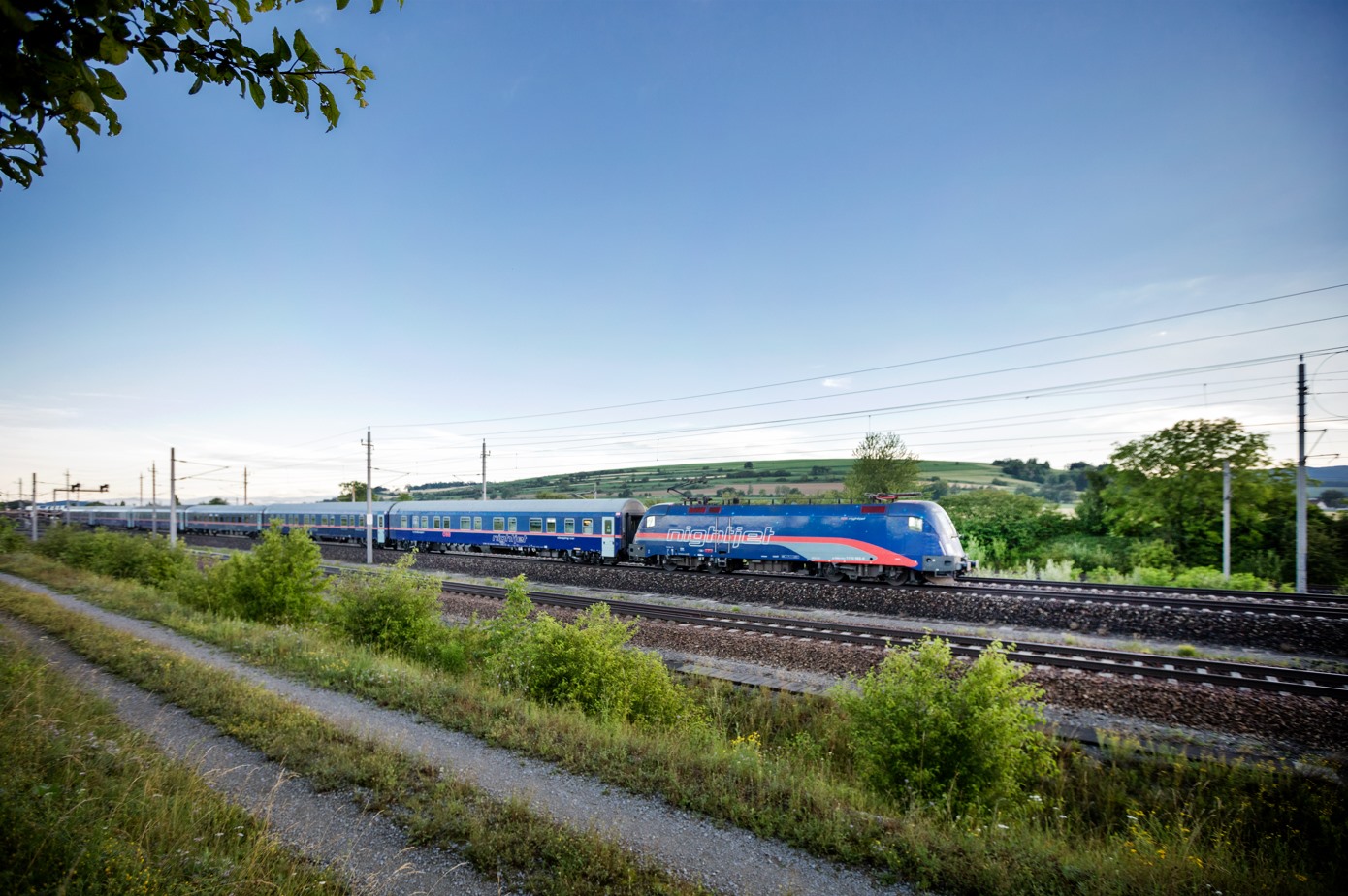
Minister of Climate Action, Leonore Gewessler:
Minister Gewessler has been a vocal proponent of the program, framing it as a necessary evolution for the nation. "The largest railway expansion package in the republic will be topped up again," she stated during the announcement. "This is an important building block for more climate protection. Because a modern network and a cheap KlimaTicket make public transport more attractive than ever before. And every kilometer by train protects our climate."
CEO of ÖBB, Andreas Matthä:
From the operational side, the focus is on service delivery and regional accessibility. CEO Andreas Matthä noted that the plan bridges the gap between major metropolitan hubs and rural regions. "The new master plan will make rail travel in Austria even better and more efficient," Matthä said. "Investments in the large main routes bring faster connections between the large metropolitan areas of Austria. In addition to the large main routes, the regional railways will be made even more attractive and electrified. This makes switching to rail more interesting in rural areas as well. This is a gain for the passengers and for the environment."
Implications: A Future-Proofed Network
The implications of this investment extend far beyond the immediate construction sites. By 2027, the Austrian rail network is expected to look significantly different.
Digitalization and Passenger Experience
The plan goes beyond tracks and overhead wires. A significant portion of the budget is earmarked for the digitalization of the sector. For passengers, this means improved mobile network coverage on board, real-time data integration, and more sophisticated safety protocols. For the operator, it means more efficient traffic management and predictive maintenance, reducing the likelihood of unexpected delays.
The Shift in Freight
The freight sector is currently under pressure to decarbonize. By enabling longer and heavier trains, ÖBB is directly challenging the dominance of road haulage. This is critical for maintaining Austria’s competitiveness as a transit country in the heart of Europe. The upgrades to the infrastructure will allow the national rail network to handle higher volumes of transit freight, effectively "moving the trucks from the road to the rail."
Regional Connectivity
One of the most profound impacts of the framework is the focus on regional lines. Historically, mainlines receive the lion’s share of funding, often leaving rural areas underserved. By emphasizing the electrification of regional routes, the framework aims to stop the decline of rail usage in smaller municipalities, ensuring that the "green shift" is not just an urban phenomenon, but one that benefits the entire population.
Conclusion: Setting a European Standard
The EUR 18.2 billion ÖBB Framework Plan is a bold assertion of the importance of public infrastructure in a modern, sustainable economy. It balances the immediate need for capacity and efficiency with a long-term vision of climate responsibility. As Austria moves through this six-year period of construction and innovation, it serves as a case study for other European nations.
The combination of the KlimaTicket, massive infrastructure upgrades, and a commitment to digitalization creates a holistic ecosystem for mobility. By the time the final project under this framework is completed in 2027, Austria will likely possess one of the most modern, interconnected, and environmentally friendly rail networks in the world, proving that when a government invests in its rails, it is truly investing in its future.

