
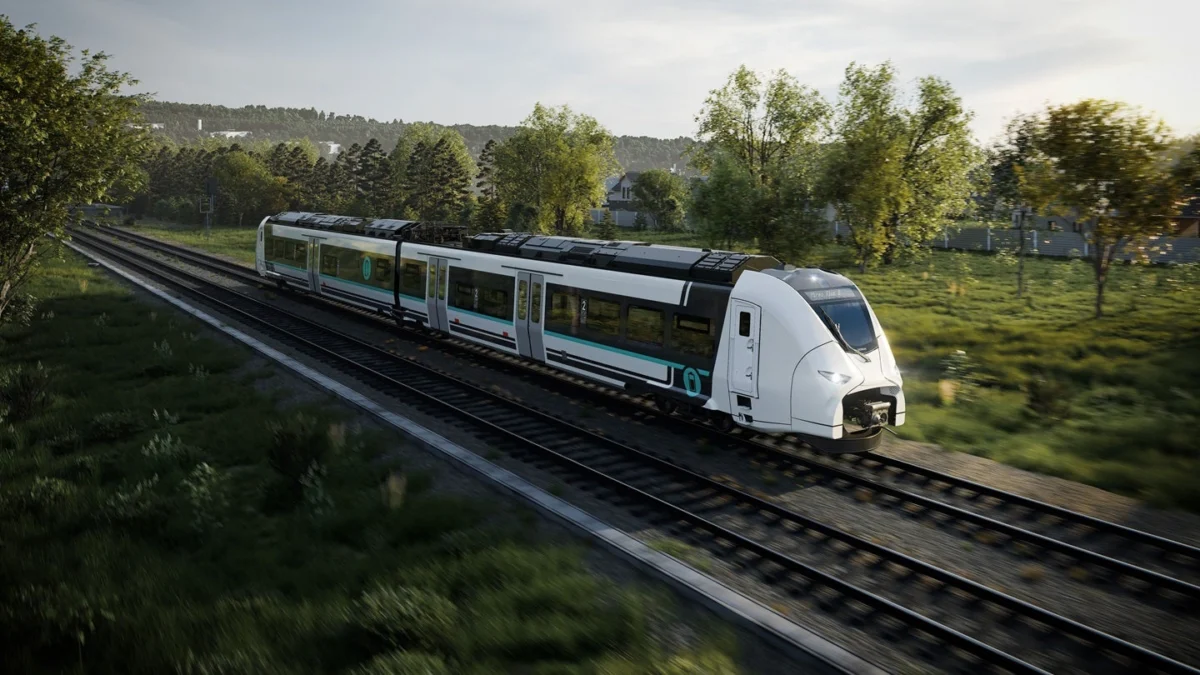
Funded via an innovative leasing model with Rock Rail, the new BEMU fleet will phase out diesel railcars on the Northern Westphalia Network starting in December 2029.
Main Facts: A Landmark Fleet Deal for Westphalia-Lippe
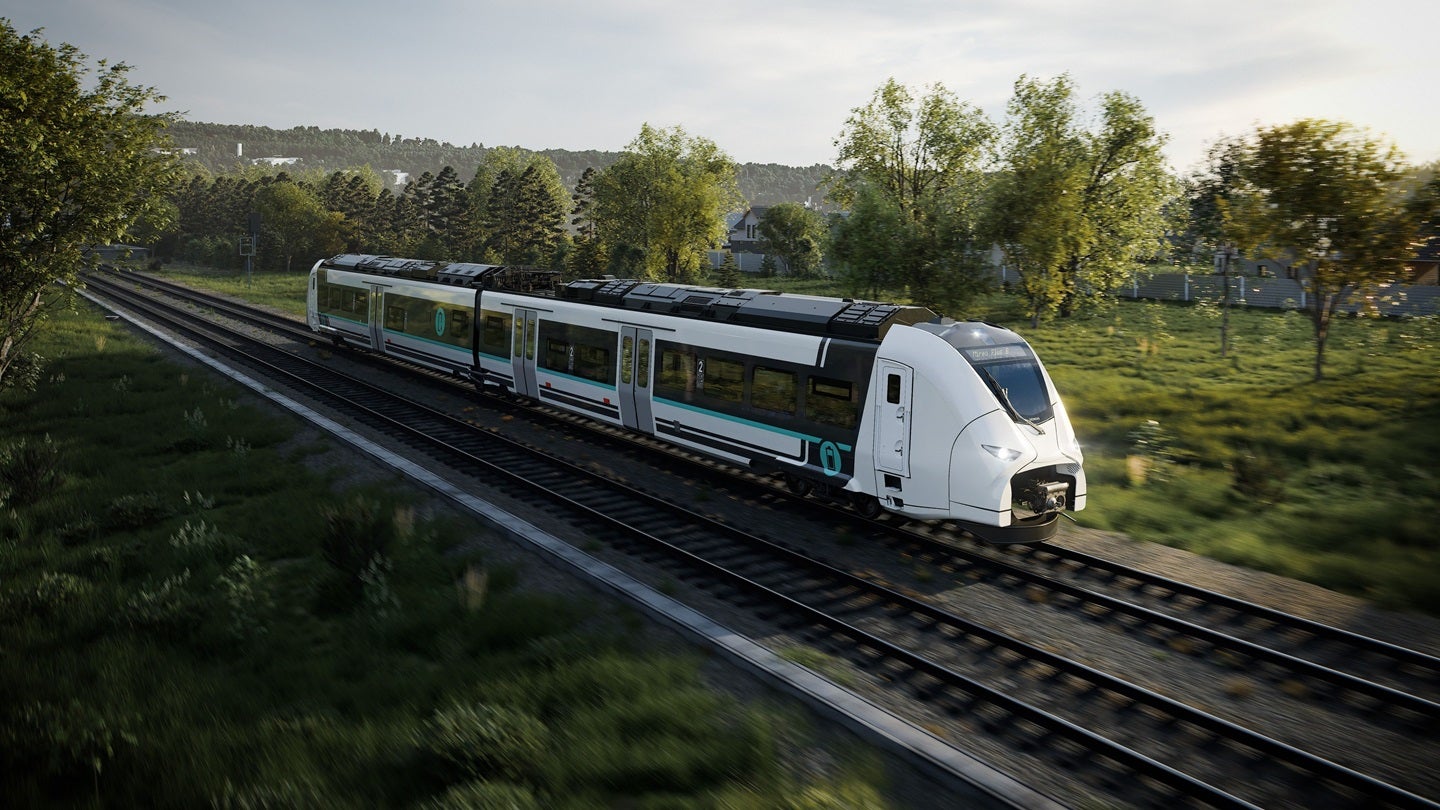
In a major step toward the decarbonization of Germany’s regional rail network, Siemens Mobility has secured a landmark contract to supply 61 battery-powered trainsets to the local transport authority, Zweckverband Nahverkehr Westfalen-Lippe (NWL). The vehicles selected for this transition are Siemens’ state-of-the-art Mireo Plus B battery-electric multiple units (BEMUs).
This procurement represents a structural shift for the Northern Westphalia Network (NNW), where the new battery-electric trains will systematically replace the conventional, carbon-intensive diesel railcars currently servicing regional routes. Upon completion of the delivery, the initiative will establish Germany’s second-largest fleet of battery-powered trains, positioning the region of North Rhine-Westphalia as a leading hub for alternative rail propulsion technology in Europe.
The commercial operations of the newly ordered Mireo Plus B fleet are scheduled to commence in December 2029. To facilitate this large-scale fleet transition without placing an immediate capital expenditure burden on public budgets, the rolling stock will be financed, owned, and provided through a long-term leasing arrangement managed by Rock Rail NnW. Under this structure, the fleet will be leased back to the operating transport companies selected to run the NNW services, ensuring stable, long-term asset availability over an operational timeframe of no less than 15 years.
The scale of this operation is substantial. Once fully deployed, the 61 battery-powered trains will cover an annual service volume of approximately 7.1 million train kilometers across the Münsterland and East Westphalia-Lippe regions. This vast service volume will significantly lower local emissions and contribute directly to the German federal government’s target of achieving a carbon-neutral transport sector.
Chronology: The Road to December 2029 and Beyond
The transition of the Northern Westphalia Network from diesel-powered transit to battery-electric systems follows a structured timeline designed to minimize service disruptions while aligning with infrastructure upgrades:
[Phase 1: Procurement & Financing] ──> [Phase 2: Manufacturing & Testing] ──> [Phase 3: Service Rollout] ──> [Phase 4: Long-Term Operations]
      - Contract signed (2025)               - Production at Siemens (2026-28)         - Phase-in starts (Dec 2029)       - 15+ year operational lease
- Rock Rail leasing finalized - Static & dynamic testing - Systematic diesel retirement - Ongoing maintenance & updates- Phase 1: Procurement and Financing (Present – 2025): Following extensive planning and a competitive tendering process by NWL, the contract has been formally awarded to Siemens Mobility, with financing secured through Rock Rail NnW. This phase establishes the technical specifications, delivery schedules, and the contractual framework for the 15-year leasing agreement.
- Phase 2: Manufacturing and Testing (2026 – 2028): Siemens Mobility will manufacture the 61 Mireo Plus B trainsets at its specialized rolling stock production facilities. This phase will include rigorous static and dynamic testing of the high-performance battery systems, both on test tracks and under simulated operational conditions, to ensure compliance with German federal rail safety standards.
- Phase 3: Infrastructure Upgrades and Driver Training (2028 – 2029): In parallel with manufacturing, regional rail infrastructure will undergo targeted upgrades. This includes the installation or optimization of overhead contact lines (catenaries) at key terminus stations and designated track sections to serve as charging points. Concurrently, regional rail operators will begin comprehensive training programs for drivers and maintenance technicians to familiarize them with BEMU technology.
- Phase 4: Commercial Rollout (December 2029): The first wave of Mireo Plus B trains will enter passenger service on the Northern Westphalia Network. Conventional diesel railcars will be systematically retired as the BEMUs assume full operational schedules.
- Phase 5: Long-Term Operations (2030 and Beyond): The fleet will operate across Münsterland and East Westphalia-Lippe, delivering 7.1 million train kilometers annually. Over the minimum 15-year operational lifecycle, Siemens and Rock Rail will provide ongoing maintenance, asset management, and software updates to optimize energy consumption and battery health.
Technical Specifications: Engineering the Mireo Plus B
The Mireo Plus B represents the cutting edge of hybrid battery-electric rail technology. Designed specifically for routes that are only partially electrified, the train combines the efficiency of traditional electric multiple units (EMUs) with the flexibility of onboard energy storage.
Battery Architecture and Energy Recovery
The defining feature of the Mireo Plus B is its traction battery system, typically mounted on the underframe or roof of the vehicle.
- Dual-Mode Power Supply: When operating on electrified sections of the track, the train draws power directly from the overhead catenary lines via its pantograph. This power not only drives the traction motors but also simultaneously recharges the onboard lithium-ion battery packs.
- Battery-Powered Operation: On non-electrified sections of the network, the pantograph is lowered, and the train seamlessly transitions to battery power. The transition occurs without any interruption in tractive effort or onboard passenger services (such as climate control and lighting).
- Regenerative Braking: To maximize efficiency and range, the Mireo Plus B is equipped with advanced regenerative braking systems. During deceleration, the traction motors act as generators, converting the train’s kinetic energy back into electricity, which is then channeled to recharge the onboard batteries rather than being wasted as heat. This system dramatically reduces net energy consumption.
Train Dimensions and Interior Configuration
The physical design of the Mireo Plus B is optimized for high-capacity regional transport and rapid passenger interchange at busy stations:
| Technical Parameter | Specification |
|---|---|
| Train Configuration | Two-car trainset |
| Carriage Length | 25 meters per carriage (50 meters total per trainset) |
| Door Configuration | Four double-doors on each side of the train |
| Material Recyclability | Greater than 90% |
| Accessibility | Step-free, level boarding across all passenger doors |
| Specialized Capacity | Dedicated spaces for 2 wheelchair users and 18 bicycles |
The inclusion of four doors on each side of the train is a critical design feature for regional networks. It optimizes passenger flow during boarding and disembarkation, effectively reducing dwell times at stations and helping operators maintain strict timetables.
Passenger Amenities and Comfort
The interior layout of the Mireo Plus B has been engineered to provide a modern, high-comfort travel experience, encouraging a shift from private car usage to public rail transport. Passengers will benefit from:
- Seamless Connectivity: High-speed onboard Wi-Fi combined with integrated power outlets and USB charging ports at passenger seats.
- Advanced Lighting: Intelligent comfort lighting systems that adjust dynamically based on the time of day to create a pleasant cabin environment.
- Quiet Cabins: Enhanced acoustic insulation and the inherently quiet nature of electric propulsion significantly reduce interior noise levels compared to the vibrating diesel engines they replace.
- Full Accessibility: Step-free boarding, wide gangways, and dedicated spaces ensure that passengers with reduced mobility, families with strollers, and cyclists can travel comfortably.
Financial Structure: The Rock Rail Leasing Model
The procurement of the 61 Mireo Plus B trains highlights the growing role of private capital and innovative leasing structures in public infrastructure development. Rather than utilizing traditional public procurement, where the public transport authority purchases and maintains the fleet directly, NWL has partnered with Rock Rail NnW.
┌────────────────────────────────────────┐
│  Zweckverband Nahverkehr               │
│  Westfalen-Lippe (NWL)                 │
│  (Public Transport Authority)          │
└──────────────────┬─────────────────────┘
                   │
                   │ Awards Operating Contract & Allocates Fleet
                   ▼
┌────────────────────────────────────────┐         Leases Fleet         ┌────────────────────────────────────────┐
│       Selected Rail Operators          │ ◄────────────────────────────┤             Rock Rail NnW              │
│      (Commercial Operations)           │                              │           (Fleet Lessor)               │
└────────────────────────────────────────┘                              └──────────────────┬─────────────────────┘
                                                                                           │
                                                                                           │ Funds & Purchases Fleet
                                                                                           ▼
                                                                        ┌────────────────────────────────────────┐
                                                                        │           Siemens Mobility             │
                                                                        │         (Train Manufacturer)           │
                                                                        └────────────────────────────────────────┘
Under this arrangement, Rock Rail acts as the long-term lessor, financing the capital-intensive acquisition of the rolling stock from Siemens Mobility. Rock Rail then leases the trains back for use on the Northern Westphalia Network. This model offers several distinct advantages:
- Capital Efficiency: By leveraging private financing, NWL can execute a sweeping, large-scale modernization of its fleet without requiring massive upfront capital allocations from public tax revenues.
- Risk Transfer: Technical risks associated with residual value, battery degradation, and long-term asset management are partially transferred to the private lessor, who possesses specialized expertise in rolling stock lifecycles.
- Operator Flexibility: When the operating contracts for the NNW lines are periodically re-tendered to commercial rail operators, the fleet remains tied to the network. New operators can seamlessly assume control of the existing, state-of-the-art fleet without the need to procure their own vehicles.
Official Responses: Strategic Alignments on Decarbonization
The leadership of the involved organizations emphasized the environmental, technological, and financial significance of the agreement.
Christiane Auffermann, Managing Director of NWL, highlighted the regional impact of the project:
"Locally emission-free, alternatively powered vehicles are the future of local rail transport. Especially in rural regions like Westphalia-Lippe, battery-powered trains offer ideal technological prerequisites to bridge sections of track without existing overhead lines in a climate-friendly manner. With the deployment of the 61 Siemens vehicles, the second-largest BEMU fleet in Germany will operate in the NWL area – setting new standards for sustainability in regional transport."
Michael Peter, CEO of Siemens Mobility, focused on the technological leadership represented by the Mireo Plus B platform:
"We are delighted to be driving forward the decarbonisation of rail transport in Westphalia with our innovative Mireo Plus B battery trains. The order underscores our leading role in alternative drive systems and demonstrates how we create sustainable solutions with state-of-the-art technology."
Mark Swindell, CEO of Rock Rail, commented on the financial innovation that made the deal possible:
"This project is an excellent example of how innovative financing models can accelerate the introduction of state-of-the-art, environmentally friendly rail technology. We are delighted about the partnership with NWL and Siemens Mobility and look forward to making a significant contribution as a long-term lessor to the sustainable transformation of regional transport in North Rhine-Westphalia."
Broader Implications: Redefining Regional Rail in Europe
The contract between NWL, Siemens Mobility, and Rock Rail serves as a blueprint for the broader European rail sector as it faces the daunting task of decarbonization. While main trunk lines across Europe are largely electrified, thousands of kilometers of regional, secondary, and rural branch lines remain dependent on diesel traction due to the high capital costs associated with installing full overhead catenary infrastructure.
                      ┌─────────────────────────────────────────┐
                      │    Diesel Rail Operations (Legacy)      │
                      │    - High CO2, NOx, and noise emissions │
                      │    - Dependence on fossil fuels         │
                      └────────────────────┬────────────────────┘
                                           │
                                           │ Industry Transition
                                           ▼
                      ┌─────────────────────────────────────────┐
                      │    Disruptive Infrastructure Options    │
                      └────────────┬──────────────────────┬─────┘
                                   │                      │
         Prohibitively Expensive   │                      │ Battery-Electric Hybrid
         for Rural Routes          ▼                      ▼ (Mireo Plus B Solution)
                     ┌────────────────────────┐  ┌────────────────────────┐
                     │ 100% Electrification   │  │ Partial Electrification│
                     │ (Full Catenary Grid)   │  │ + BEMU Technology      │
                     └────────────────────────┘  └───────────┬────────────┘
                                                             │
                                                             │ Benefits Delivered
                                                             ▼
                                                 ✔ 90%+ Recyclable Fleet
                                                 ✔ Zero Local Emissions
                                                 ✔ Noise Level Reductions
                                                 ✔ Lower Infrastructure CAPEX
BEMUs vs. Full Electrification and Hydrogen
For regional networks, BEMU technology represents a highly pragmatic and cost-effective alternative to both full electrification and hydrogen fuel cell technology:
- Avoided Infrastructure Costs: Installing overhead lines along rural routes with low traffic density is often economically unfeasible. BEMUs allow transport authorities to leverage existing electrification on urban sections of the network while bridging the non-electrified gaps using battery power, eliminating the need for billions of euros in infrastructure investments.
- Thermodynamic Efficiency: Battery-electric trains exhibit significantly higher well-to-wheel energy efficiency compared to hydrogen-powered alternatives, which suffer from substantial energy losses during hydrogen production, compression, transport, and conversion back to electricity within onboard fuel cells.
- Leveraging Existing Grids: BEMUs plug directly into the existing rail electrification grid, requiring minimal specialized charging infrastructure compared to the complex fueling stations demanded by hydrogen fleets.
Environmental and Socio-Economic Impact
The deployment of the Mireo Plus B fleet will yield immediate benefits for the communities of Münsterland and East Westphalia-Lippe. Beyond the direct reduction of greenhouse gas emissions, the elimination of diesel engines will drastically reduce local air pollutants such as nitrogen oxides ($NO_x$) and particulate matter.
Furthermore, the silent operation of battery-electric trains under battery power will lower ambient noise levels along regional tracks, improving the quality of life for residents living near rail corridors. With a vehicle recyclability rate exceeding 90%, the project also aligns with circular economy principles, ensuring that the environmental footprint of the trains remains minimal even at the end of their operational lifecycles.
As European nations strive to meet their net-zero targets by 2050, the successful implementation of the Northern Westphalia Network’s new BEMU fleet will provide critical operational data, technical validation, and financial precedents that will likely inspire similar regional rail transformations across the continent.

